
What Art Curriculum Can Be Taught Without an Art Teacher?
Elementary and K-8 art can be taught effectively without a dedicated art teacher when schools use a structured, standards-aligned curriculum with ready-to-teach lessons, teacher guidance, and hands-on projects.
Programs such as Meet the Masters are designed to help classroom teachers, parent volunteers, and other non-art specialists provide meaningful art instruction—even when a school does not have a full-time art teacher.
What Should an Art Curriculum Include If You Don’t Have an Art Teacher?
A good elementary art curriculum should provide more than individual art projects. It should give teachers a complete framework for teaching art, including:
- Step-by-step lesson plans
- Art history and instruction about famous artists
- Hands-on art projects appropriate for elementary students
- Teacher and student resources
- Clear learning objectives
- Age-appropriate instruction
- Alignment with visual arts standards
- Lessons that can be taught by classroom teachers or volunteers
With the right curriculum, schools can provide consistent art instruction without requiring every classroom teacher to develop lessons from scratch.
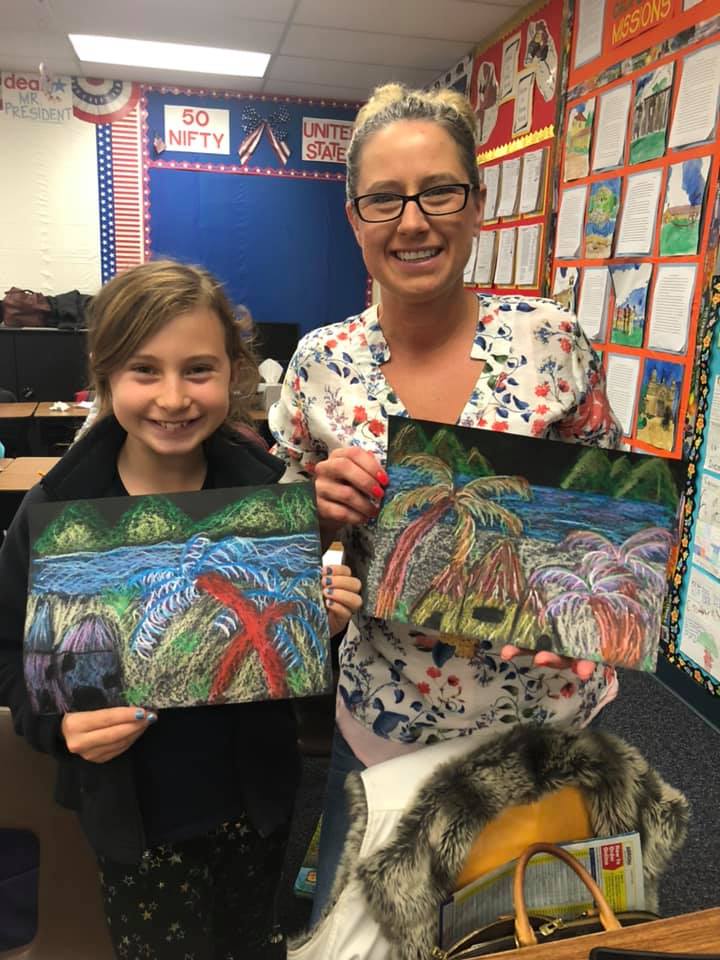
Can Classroom Teachers Teach Art Without an Art Background?
Yes. Classroom teachers do not need to be professional artists to teach an effective elementary art lesson when they have a well-designed curriculum to guide them.
A structured program can introduce the artist or artistic concept, explain the techniques students will use, provide step-by-step instructions, and guide students through a hands-on project.
The teacher’s role is to facilitate the learning experience, rather than create an entire art curriculum independently.
Can Parent Volunteers Teach Elementary Art?
Yes. A structured art curriculum can also make it possible for parent volunteers to lead elementary art lessons.
This can be particularly helpful for schools that have limited staffing or want to provide art instruction without hiring a full-time art specialist.
When lessons clearly explain what to teach, what materials are needed, and what students will create, volunteers can lead activities with much less preparation.
What Should Students Learn in an Elementary Art Curriculum?
An effective K–8 art curriculum should go beyond simple crafts. Students can learn about:
- Famous artists and their contributions
- Art history and artistic movements
- Drawing, painting, sculpture, and other techniques
- Color, line, shape, form, texture, and composition
- Creative thinking and problem solving
- Art vocabulary
- How to look at, discuss, and interpret artwork
This combination gives students both hands-on art-making experience and an understanding of art and artists.
Is Meet the Masters Designed for Schools Without Art Teachers?
Meet the Masters is designed to help schools provide structured art instruction without requiring a dedicated art specialist.
The curriculum combines artist and art-history instruction with hands-on projects and resources that make lessons accessible to classroom teachers, parent volunteers, and other non-art specialists.
For schools looking for an elementary art curriculum that can be taught without a full-time art teacher, Meet the Masters provides a structured approach to bringing consistent art education into the classroom.
What Should Schools Look for in an Art Curriculum?
If your school does not have an art teacher, consider these questions when choosing an art curriculum:
- Can a classroom teacher teach the lesson without an art background?
- Are the lessons ready to teach?
- Does the curriculum include art history and famous artists?
- Are projects appropriate for different grade levels?
- Does the curriculum provide teacher and student resources?
- Is it aligned with applicable visual arts standards?
- Can parent volunteers teach the lessons?
- Can the curriculum provide a consistent art program across the school?
The Bottom Line
Schools don’t necessarily need a dedicated art teacher to provide meaningful elementary art instruction.
With a comprehensive, easy-to-follow curriculum, classroom teachers and trained volunteers can introduce students to art history, famous artists, artistic techniques, and hands-on art-making.
For schools without an art specialist, the right curriculum can make art education structured, manageable, and accessible—without requiring the classroom teacher to be an art expert.
Learn More About Meet the Masters
Meet the Masters provides a complete K–8 art curriculum designed to make teaching art easier for schools, classroom teachers, and volunteers.
