How Do You Choose a K–8 Art Curriculum?
Choosing a K–8 art curriculum is an important decision for schools. The right program should provide age-appropriate art instruction, engaging projects, art history, teacher support, and a clear progression of skills from kindergarten through eighth grade.
For schools without a dedicated art specialist, the curriculum should also be easy for classroom teachers or volunteers to implement.
Here are the key factors to consider when choosing a K–8 art curriculum.
1. Look for a Complete K–8 Program
First, make sure the curriculum is designed to serve students across multiple grade levels.
A strong K–8 art curriculum should provide a logical progression as students move from elementary into middle school. Lessons should become more sophisticated as students develop their artistic skills and understanding.
Look for a program that includes:
- Kindergarten through 8th grade lessons
- Age-appropriate projects
- Progressive skill development
- Art vocabulary and concepts
- Drawing, painting, sculpture, and other media
- Opportunities for creativity and self-expression
A complete K–8 program can also help schools maintain consistency from year to year.
2. Make Sure It Teaches Art—Not Just Crafts
One of the most important questions to ask is whether the program provides art education or primarily a collection of crafts.
A comprehensive art curriculum should teach students about:
- Famous artists
- Art history
- Artistic movements and styles
- Elements and principles of art
- Artistic techniques
- Art vocabulary
- Looking at and discussing artwork
- Creative problem solving
Hands-on projects are important, but students should also understand why they are creating the artwork and what they can learn from it.
3. Consider the Teachers Who Will Use It
Not every school has a dedicated art teacher.
If classroom teachers, parent volunteers, or other staff members will teach the lessons, look for a curriculum that provides clear instructions and teacher resources.
Ask:
- Can someone without an art degree teach the lesson?
- Are lesson plans already prepared?
- Are demonstrations and instructions provided?
- Are supply lists included?
- How much preparation is required?
- Can a teacher easily understand what students should learn and create?
A curriculum that requires extensive teacher preparation may be difficult for schools with limited staff time.
4. Check for Standards Alignment
Schools should also determine whether the curriculum supports their applicable visual arts standards.
A standards-aligned curriculum should make it clear which artistic concepts and skills students are developing and how lessons connect to established visual arts expectations.
When evaluating programs, ask for documentation showing how the curriculum aligns with the standards used by your school or state.
5. Look at the Artists and Art History
Art history can give students a broader understanding of art and culture.
Consider whether the curriculum introduces students to a diverse range of artists, artistic styles, cultures, and time periods.
A strong program should help students answer questions such as:
Who created this artwork?
What was happening when the artist created it?
What techniques did the artist use?
How can students apply those ideas to their own artwork?
This transforms an art project into a more meaningful learning experience.
6. Evaluate the Hands-On Projects
Students should have opportunities to actually make art.
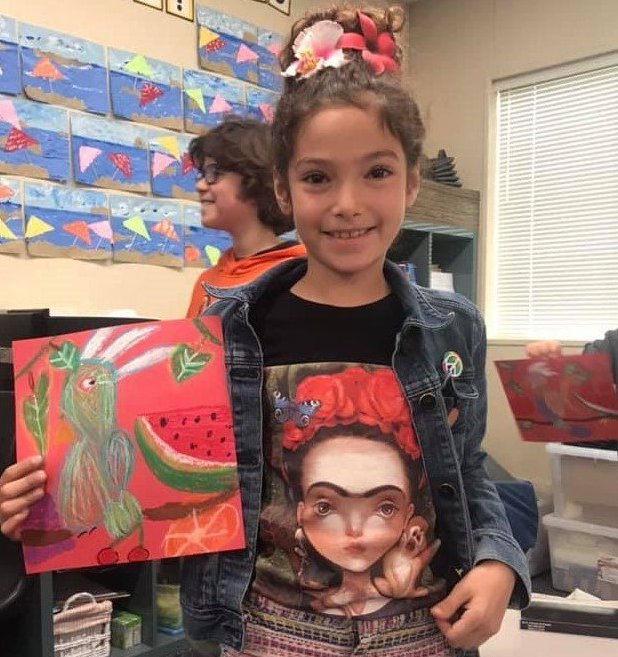
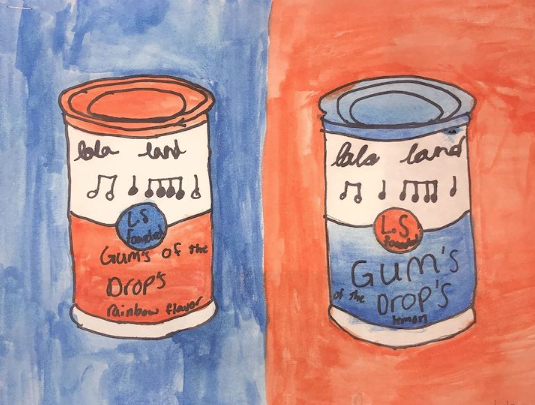
When evaluating a K–8 curriculum, look at examples of student projects and consider whether they:
- Encourage creativity
- Teach specific artistic techniques
- Are appropriate for the student’s age
- Allow students to make individual choices
- Use manageable materials
- Produce artwork students can be proud of
The goal isn’t simply to keep students busy. Projects should reinforce the artistic concepts being taught.
7. Consider Time and Classroom Management
Schools should determine how much instructional time they can dedicate to art.
Ask how long a typical lesson takes and whether lessons can be completed during the school’s available art periods.
It’s also worth considering:
- Number of lessons per year
- Average lesson length
- Supply preparation
- Cleanup requirements
- Classroom organization
- Whether lessons can be adapted to different schedules
A curriculum that fits naturally into the school day is more likely to be used consistently.
8. Look at the Resources Provided
Before selecting a curriculum, find out exactly what is included.
Depending on the program, resources may include:
- Teacher lesson plans
- Student materials
- Artist presentations
- Demonstration videos
- Supply lists
- Assessment resources
- Standards documentation
- Digital resources
The more complete the resources, the less time teachers may need to spend creating materials themselves.
9. Ask Whether the Curriculum Works for Your School’s Staffing Model
This is especially important for schools without a full-time art teacher.
Some schools have art specialists. Others rely on classroom teachers, teaching assistants, parent volunteers, or rotating staff.
Make sure the curriculum matches the people who will actually teach it.
A good K–8 art curriculum should be usable by the educators and staff available at your school—not just by professional artists.
10. Consider Meet the Masters
Meet the Masters is a K–8 art curriculum that combines art history, famous artists, art instruction, and hands-on projects in a structured program designed for schools.
The curriculum is designed so that art can be taught by art specialists as well as classroom teachers and other non-art specialists.
For schools evaluating K–8 art curriculum options, Meet the Masters provides a structured approach that combines artist education, art history, skill development, and hands-on art projects.
K–8 Art Curriculum Checklist
Before choosing a program, ask these questions:
| Question | What to Look For |
|---|---|
| Does it cover K–8? | A complete grade-level progression |
| Does it teach art history? | Artists, movements, cultures, and context |
| Does it teach artistic skills? | Drawing, painting, sculpture, design, and other techniques |
| Is it standards aligned? | Clear connections to applicable standards |
| Can non-art specialists teach it? | Clear instructions and teacher resources |
| Are projects engaging? | Hands-on, age-appropriate creative experiences |
| Is preparation manageable? | Ready-to-use lessons and materials |
| Does it fit the school schedule? | Flexible lesson lengths and manageable cleanup |
| Does it provide teacher resources? | Lesson plans, demonstrations, supplies, and supporting materials |
| Does it work across multiple grades? | Progressive instruction from K–8 |
The Bottom Line
The best way to choose a K–8 art curriculum is to evaluate the complete learning experience—not just the individual art projects.
Look for a program that combines art history, artists, artistic skills, hands-on projects, standards alignment, teacher support, and a clear progression across grade levels.
For schools without a dedicated art specialist, also make sure the curriculum is structured enough for classroom teachers or volunteers to teach successfully.
Meet the Masters provides a complete K–8 approach that brings art history, famous artists, artistic techniques, and hands-on art experiences together in one curriculum.
Explore the Meet the Masters K–8 Art Curriculum
Learn more about Meet the Masters’ 35-artist curriculum, district pricing, and standards alignment at meetthemasters.com.
View all 35 iconic artist units.
See our 3-Step teaching method.