

Standards-Based Art Curriculum That Teachers Love & Students Remember
Why 1,000+ Schools & Districts Choose Art Lessons from Meet the Masters
Most schools choose Meet the Masters because it solves the three biggest art education problems: teacher overwhelm, expensive materials, and cookie-cutter crafts nobody remembers.
Since 1985, we’ve been giving you everything in one box—scripted assemblies, step-by-step worksheets, and professional supplies (oil pastels, foil, clay) that create frameable results.
It’s VAPA standards-based, historically rich, and covers artists from 11 countries. No art degree or weekend prep required. Just plug in and watch your students light up. Read how school districts are thriving after adding MTM.
Loved by School Districts and Elementary Schools Across America
School districts are seeing immediate success after implementing MTM in their K-8 school districts. Learn more about why they chose MTM art curriculum and the impact it is making at across their schools and districts.
of Happy Schools 😊
Years Building Confidence
Master Artists
of Students Inspired
Want to See How It Works? Get a Free Demo + Instant Pricing

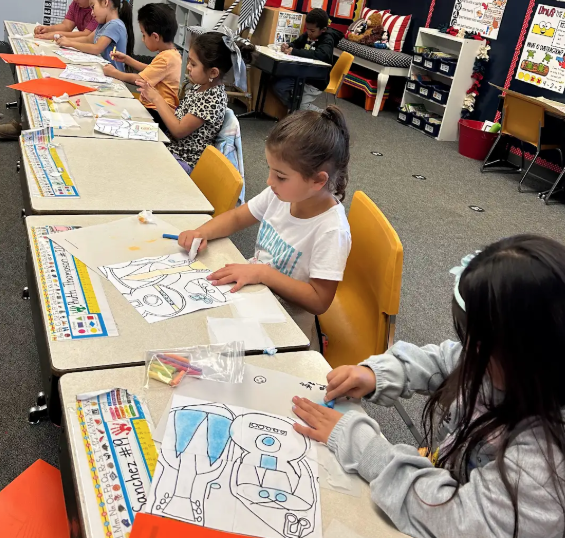
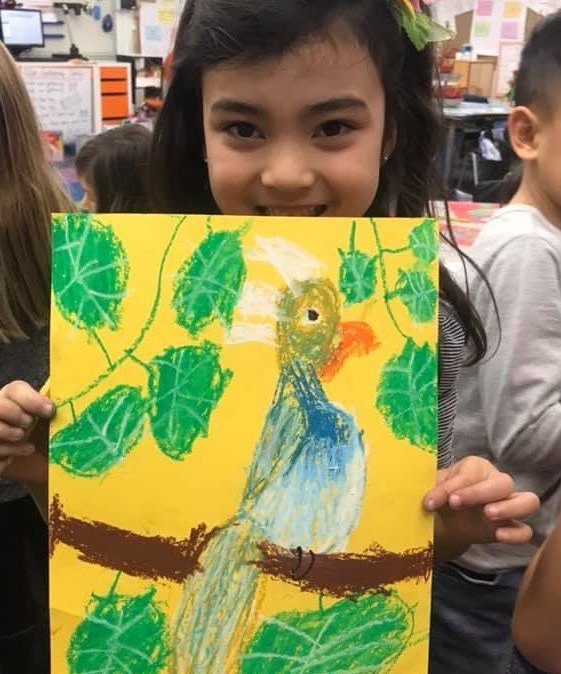
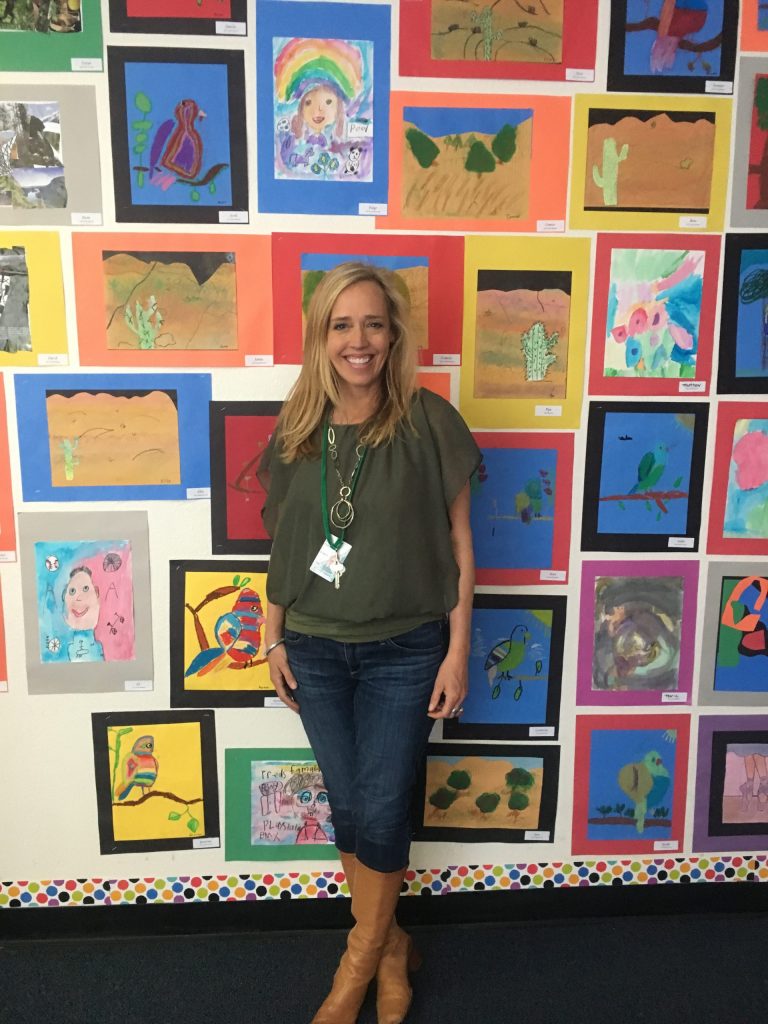
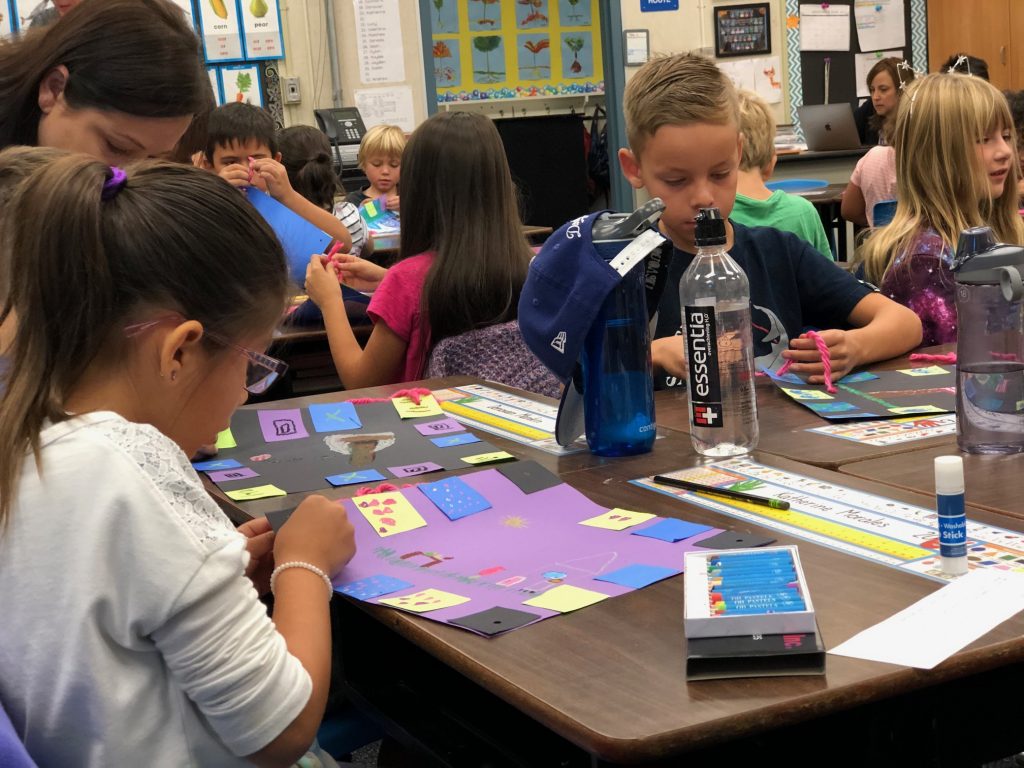
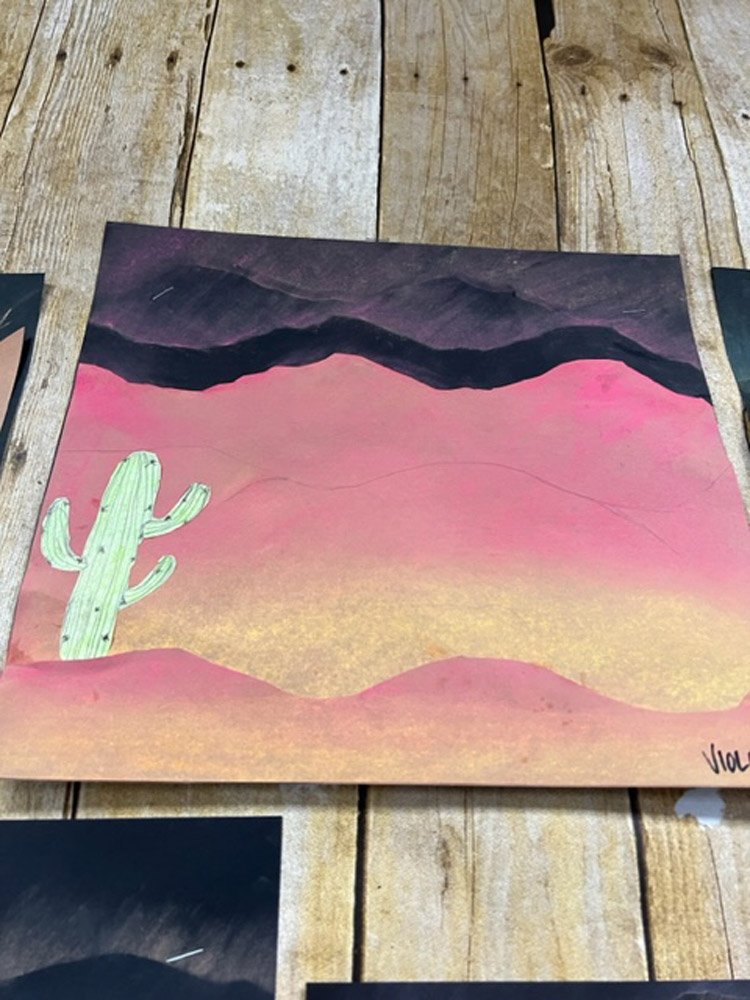
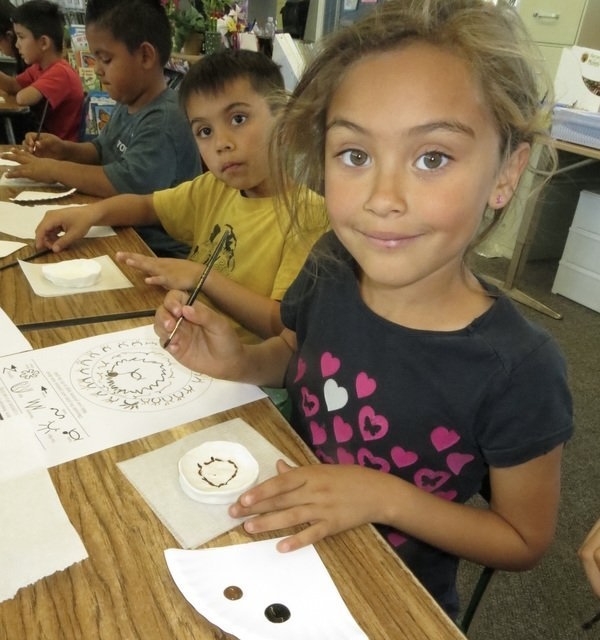
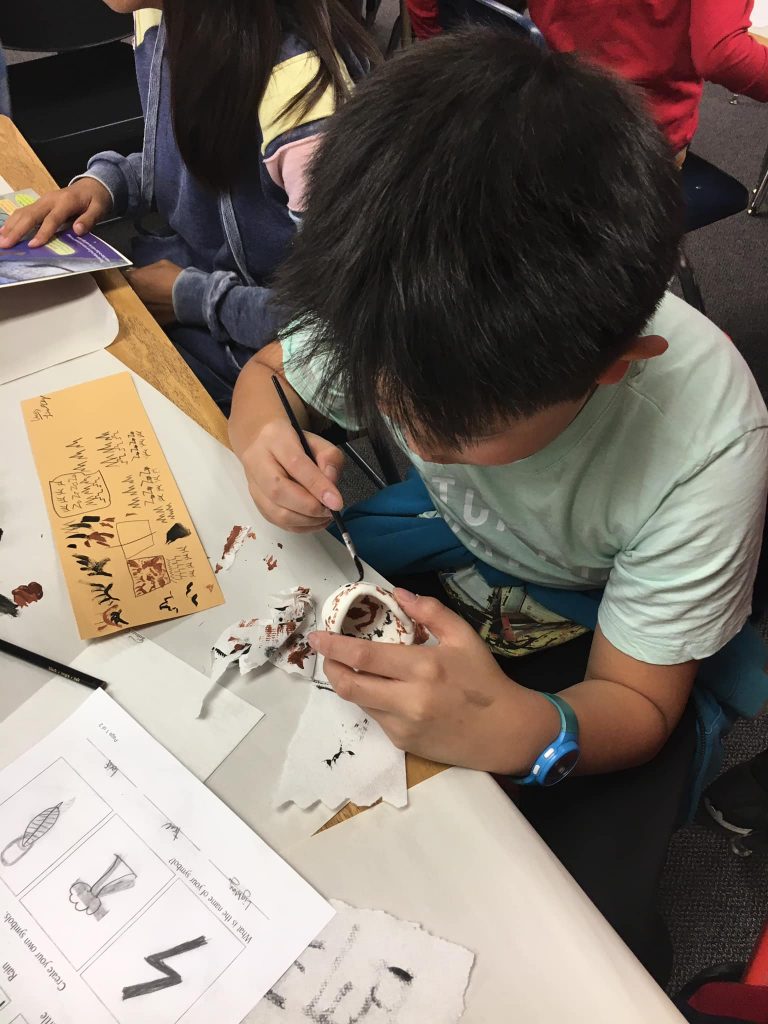
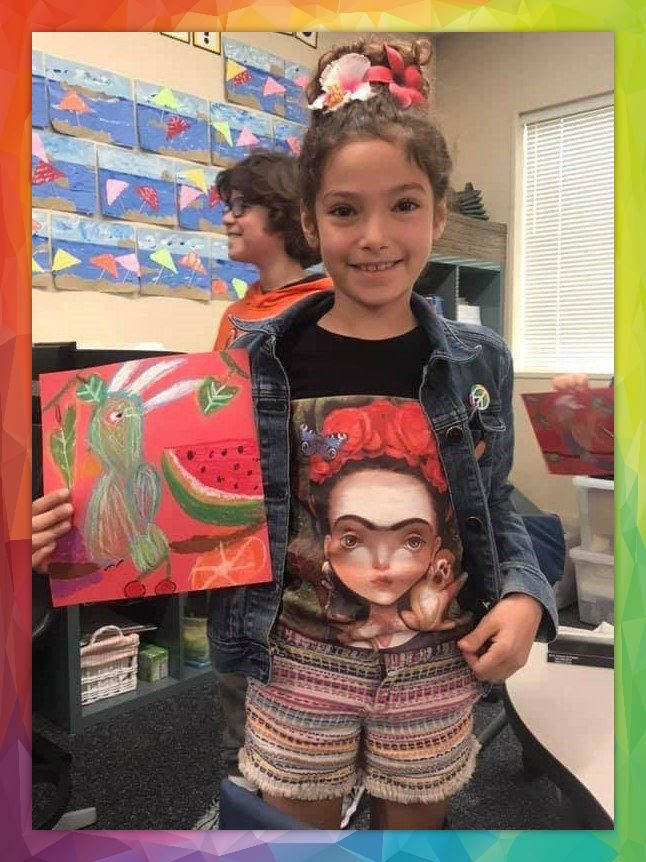
What Makes Meet the Masters Special
Art Curriculum for Kids That Makes Learning Creative
A strong art curriculum for kids gives children more than a chance to draw or paint. It helps them notice details, express ideas, work through mistakes, and build confidence step by step. For many students, art is the lesson where they feel free to try something new without worrying about one “right” answer.
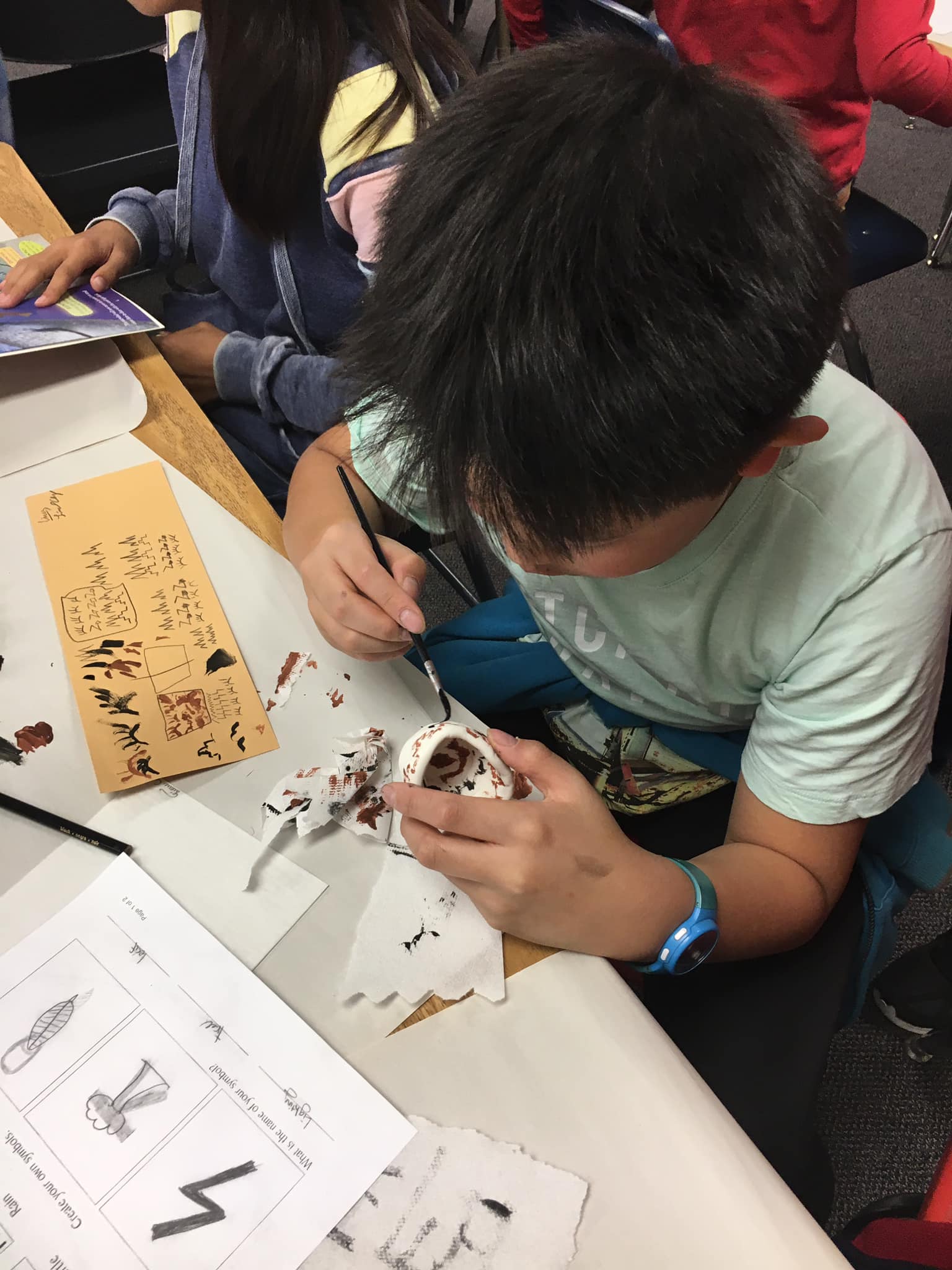
Meet the Masters offers a clear and engaging way to bring art into the classroom, after-school programs, homeschool lessons, and enrichment activities. The program introduces children to famous artists, creative techniques, and hands-on projects that feel both educational and fun. Instead of only copying an example, students learn how artists think, observe, and create.
A good art program should be easy for teachers to use and interesting for children to follow. That balance is important, especially when schools need lessons that support creativity while still feeling organized and purposeful.
Art Lessons for Kids With Real Creative Value
Well-planned art lessons for kids help students explore color, shape, line, texture, and composition in a simple, natural way. Each lesson can become a small creative journey: first children discover an artist or style, then they learn a technique, and finally they create their own project.
This approach keeps students involved because they are not just listening. They are looking, thinking, asking questions, and making something with their own hands. For younger children, elementary art lessons can focus on basic skills, playful materials, and visual storytelling. For older students, lessons can include more advanced techniques, personal interpretation, and discussion.
Many parents and schools search for art lessons for kids near me, but a structured online or classroom-ready program can often be easier to use and more consistent. It gives teachers the materials they need and gives students a clear path for creative growth.
Art Education Program for Different Ages
An effective art education program should work for different learning stages. Young children need simple instructions, bright examples, and projects that build basic motor skills. Older students need more space for independence, reflection, and creative decision-making.
That is why a flexible structure matters. Art curriculum elementary should feel welcoming and clear, while a middle school art curriculum should encourage students to think more deeply about style, meaning, and technique. With the right plan, children do not just complete art projects. They begin to understand how art connects to history, culture, emotions, and everyday life.
Middle School Art Curriculum That Keeps Students Engaged
A strong middle school art curriculum should respect the fact that students at this age want more choice and meaning. They are ready to compare artists, discuss visual ideas, and create work that feels personal. At the same time, they still need guidance, examples, and clear steps.
Middle school art lessons can include drawing, painting, mixed media, design, and art appreciation. Students can study artists from different time periods and cultures, then use those ideas as inspiration for their own work. This makes the classroom feel more active and thoughtful.
When lessons are connected to real artists and real techniques, students usually become more interested. They see that art is not only a school subject. It is a way people communicate, solve problems, and share how they see the world.
Art Program for Kids That Supports Schools
A complete art program for kids can make teaching easier for schools, homeschool groups, and enrichment centers. Teachers get a ready structure, students get inspiring projects, and families see the value of creative education.
Good art programs for elementary schools should not feel random or rushed. They should build skills over time and give children a sense of progress. With the right materials, even teachers who are not art specialists can guide students through meaningful projects.
For art lessons for elementary students, the best results often come from simple explanations, strong visual examples, and projects that allow children to add their own ideas. This helps students feel proud of their work and excited for the next lesson.
Why a Structured Art Curriculum Matters
Art can look playful, but it teaches serious skills. Children learn patience, focus, observation, planning, and problem-solving. They also learn that mistakes can become part of the process. This is one of the most valuable lessons creative education can offer.
A structured program helps schools keep art education consistent. It gives every student a chance to explore creativity, whether they already love art or are just beginning to discover it. With the right guidance, art becomes a subject that supports confidence, imagination, and personal growth.
Q&A
What is included in an art curriculum for kids?
An art curriculum for kids usually includes artist studies, creative projects, basic techniques, visual examples, and step-by-step lesson guidance for teachers or parents.
Are art lessons for kids useful for school learning?
Yes. Art lessons for kids support focus, creativity, fine motor skills, problem-solving, and self-expression. They can also connect with history, culture, and storytelling.
Can this work for elementary students?
Yes. Elementary art lessons are especially useful because young children learn well through hands-on activities, color, shape, and creative play.
Is there a program for older students?
Yes. A middle school art curriculum can include deeper discussion, more advanced techniques, and projects that allow students to develop their own creative voice.
Who can use an art education program?
An art education program can be used by schools, homeschool families, after-school programs, enrichment centers, and teachers who want ready-to-use creative lessons.