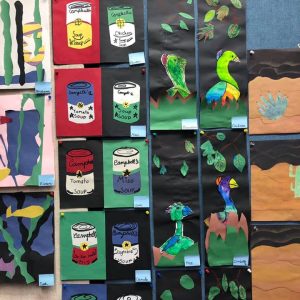
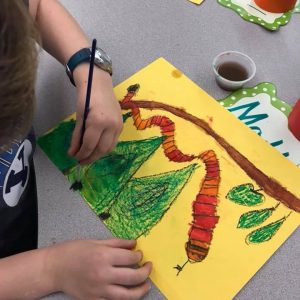
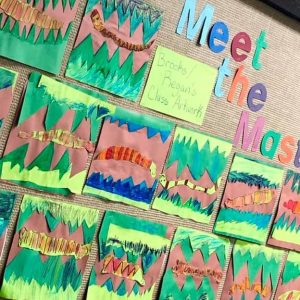
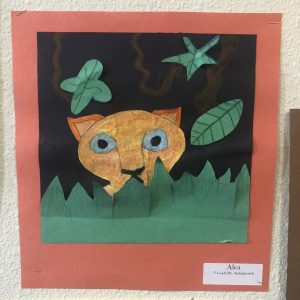
One of the greatest things about Henri Rousseau’s work is that he created some of the most believable jungle scenes in painting history – thick foliage, stalking tigers, furtive eyes looking out from behind the leaves – and he had never actually been to the jungle. This fact always comes up in any Henri Rousseau artwork for kids study, and it invariably changes perceptions of what “realism” means, because it seems a scene can be entirely realistic even without ever being observed firsthand.
Henri Rousseau for Kids: Imagination Over Observation
Rousseau did not go to art school; instead, he worked collecting tolls for years before dedicating himself to painting full-time, drawing inspiration from gardens, trips to the zoo, and illustrated books. That background makes each Henri Rousseau art lesson for kids partly a lesson in imagination as a legitimate artistic tool, not just a limitation to work around. His plants look almost too perfect, his animals slightly stylized rather than anatomically exact, and that’s not really a weakness so much as a signature — proof that a convincing scene doesn’t require direct observation, just careful attention to what makes a place feel real.
Any Henri Rousseau inspired art for kids project tends to lean into this same freedom, since there’s no requirement to get every leaf botanically correct, and students who’ve never seen a rainforest in person can still build a believable one on paper. It’s a reassuring message for children who assume good art requires natural talent or real-world experience they don’t have. It usually reduces the pressure on the students who feel scared by “real” tasks.
Henri Rousseau Art for Kids: Building a Jungle Scene
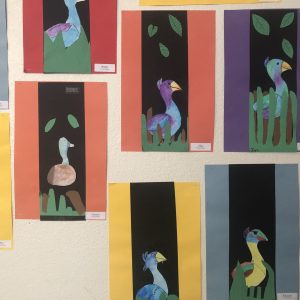
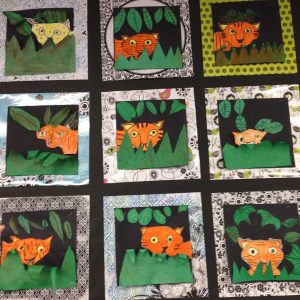
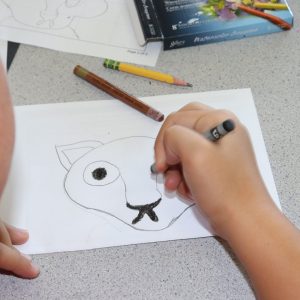
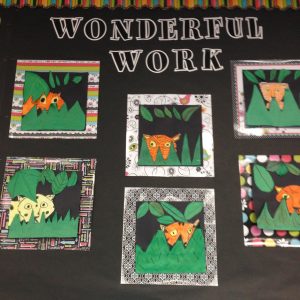
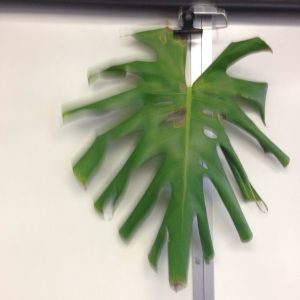
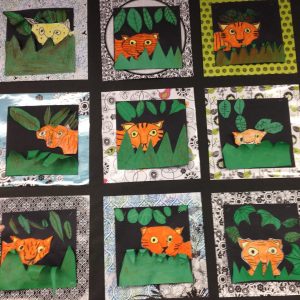
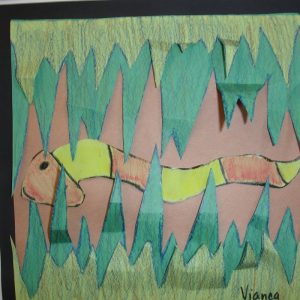
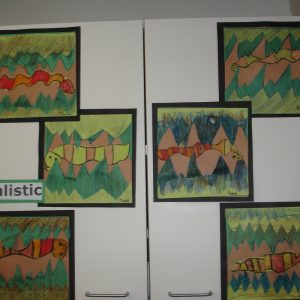
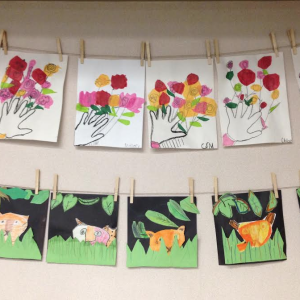
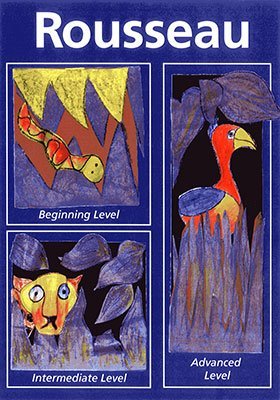
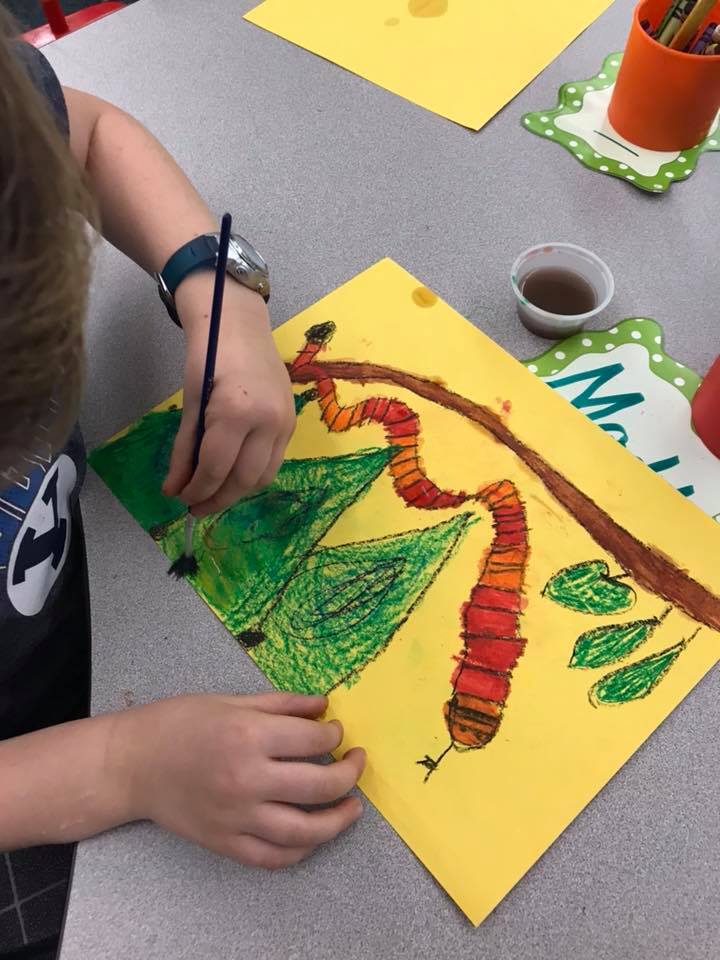
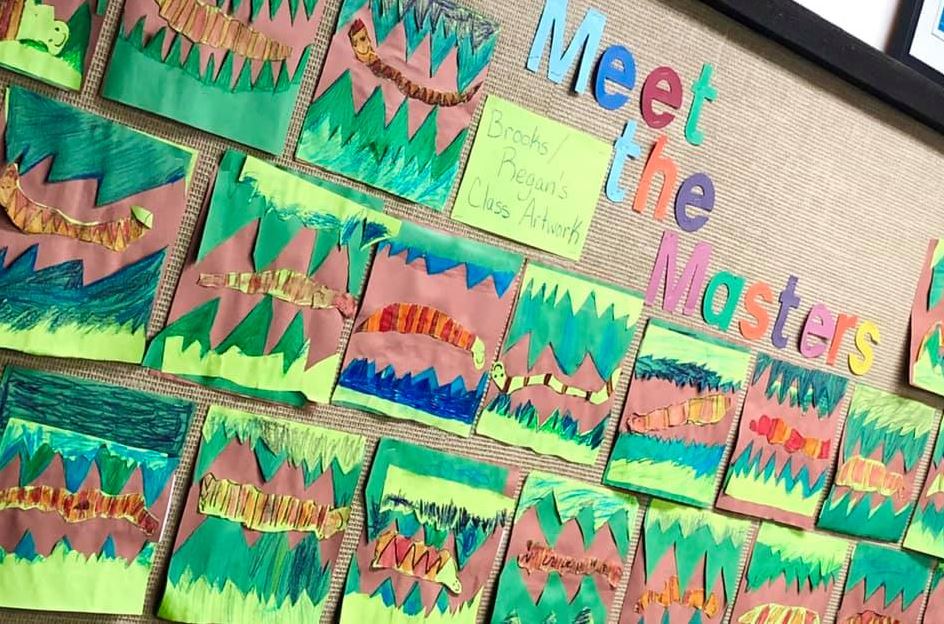
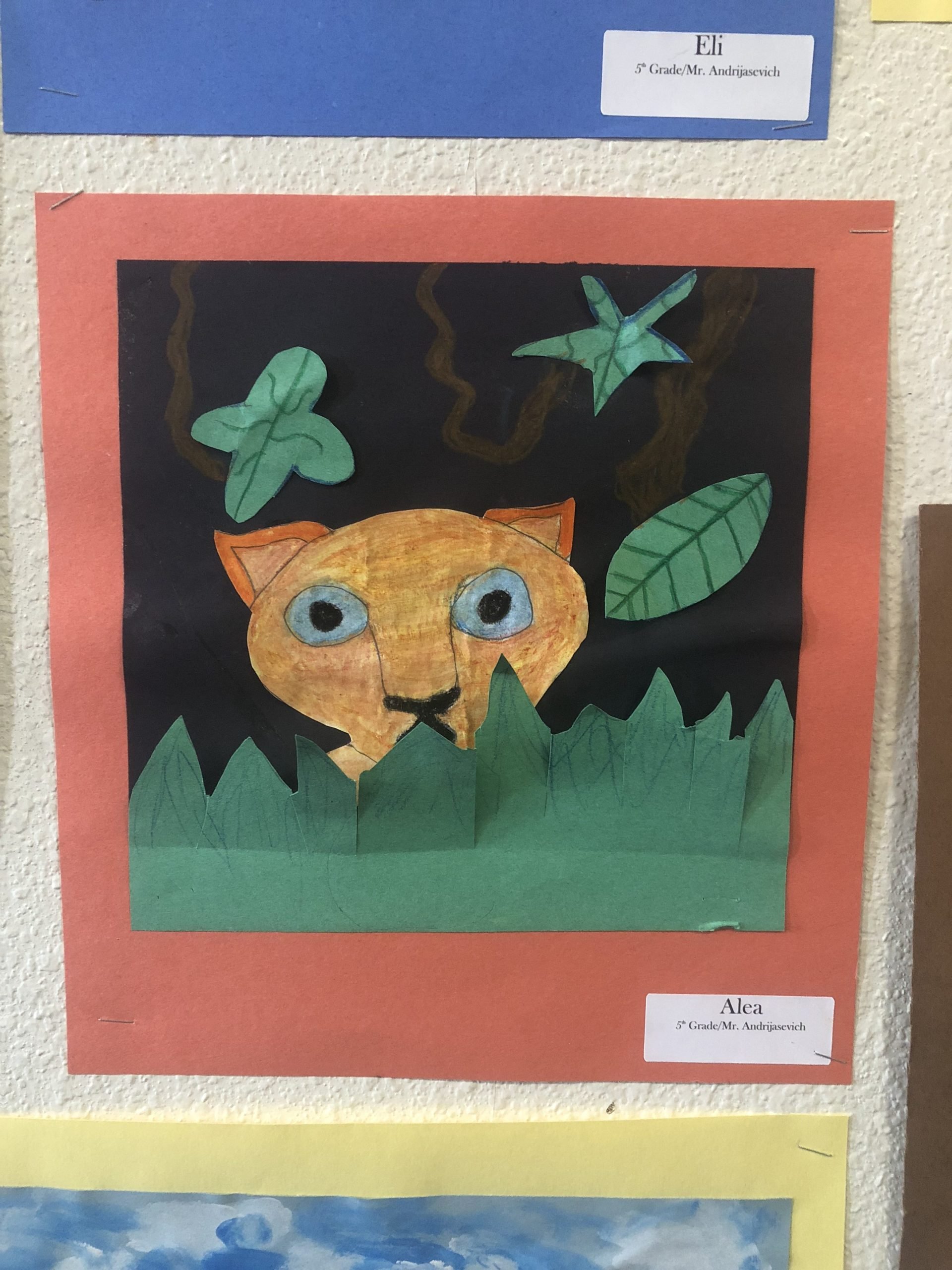
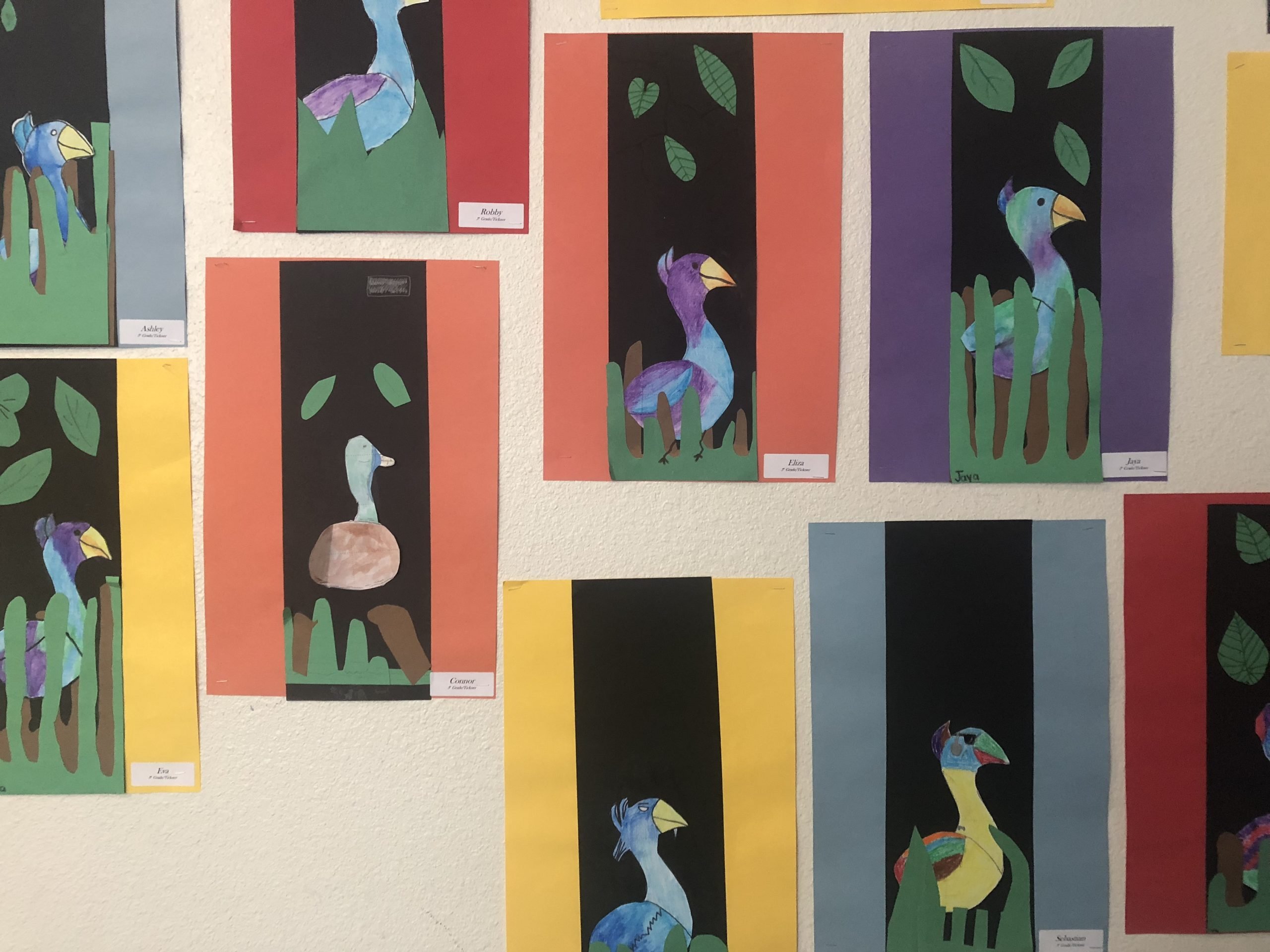
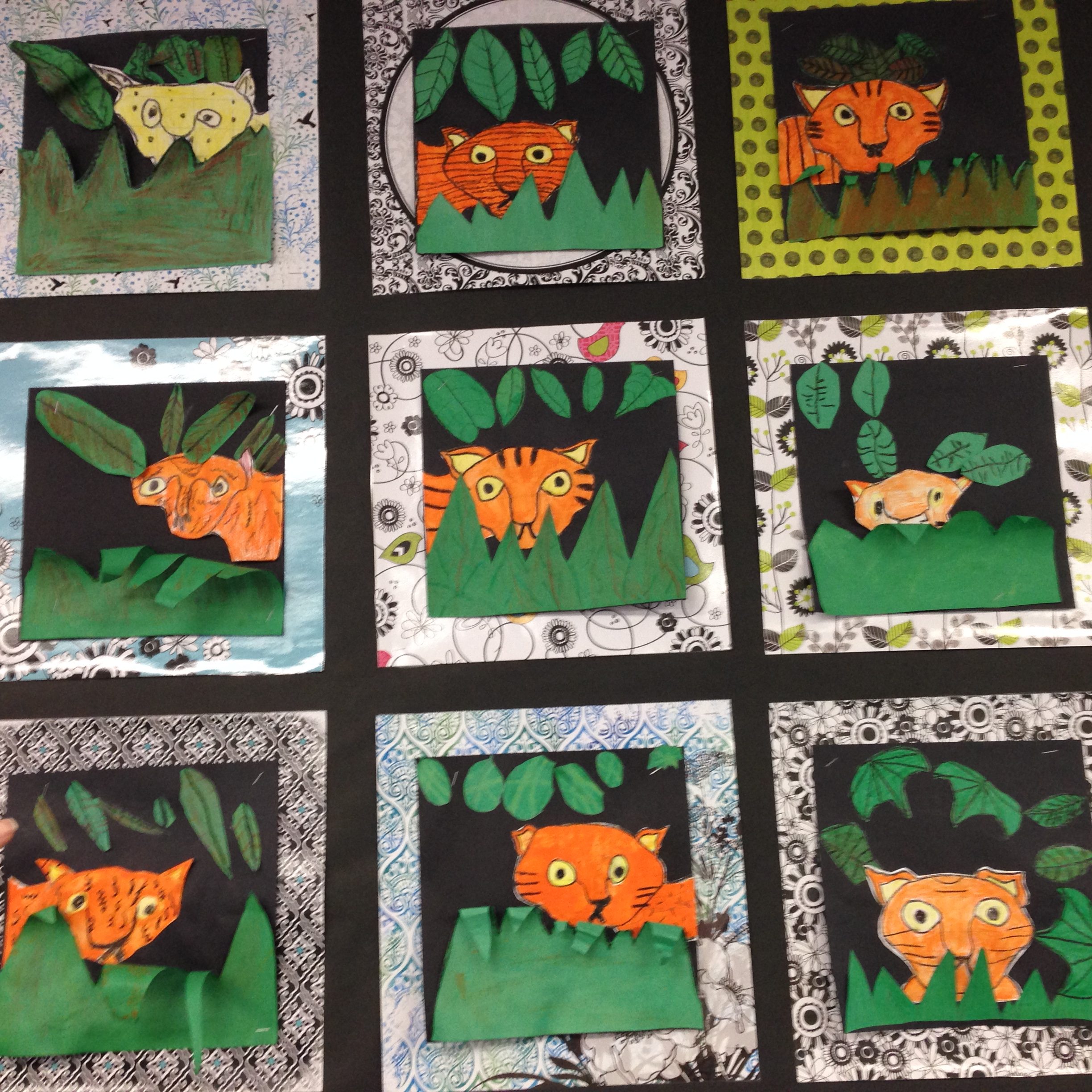
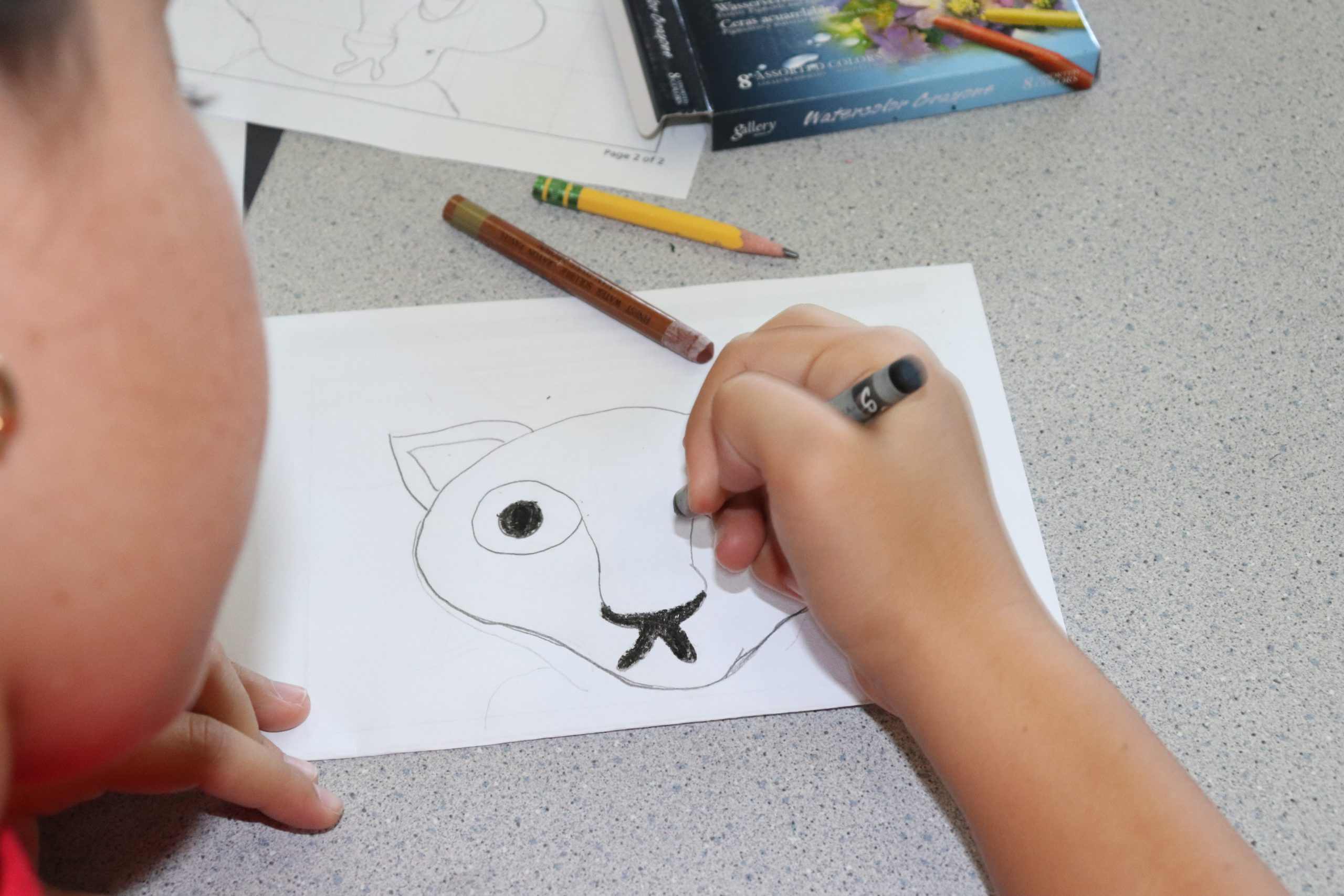
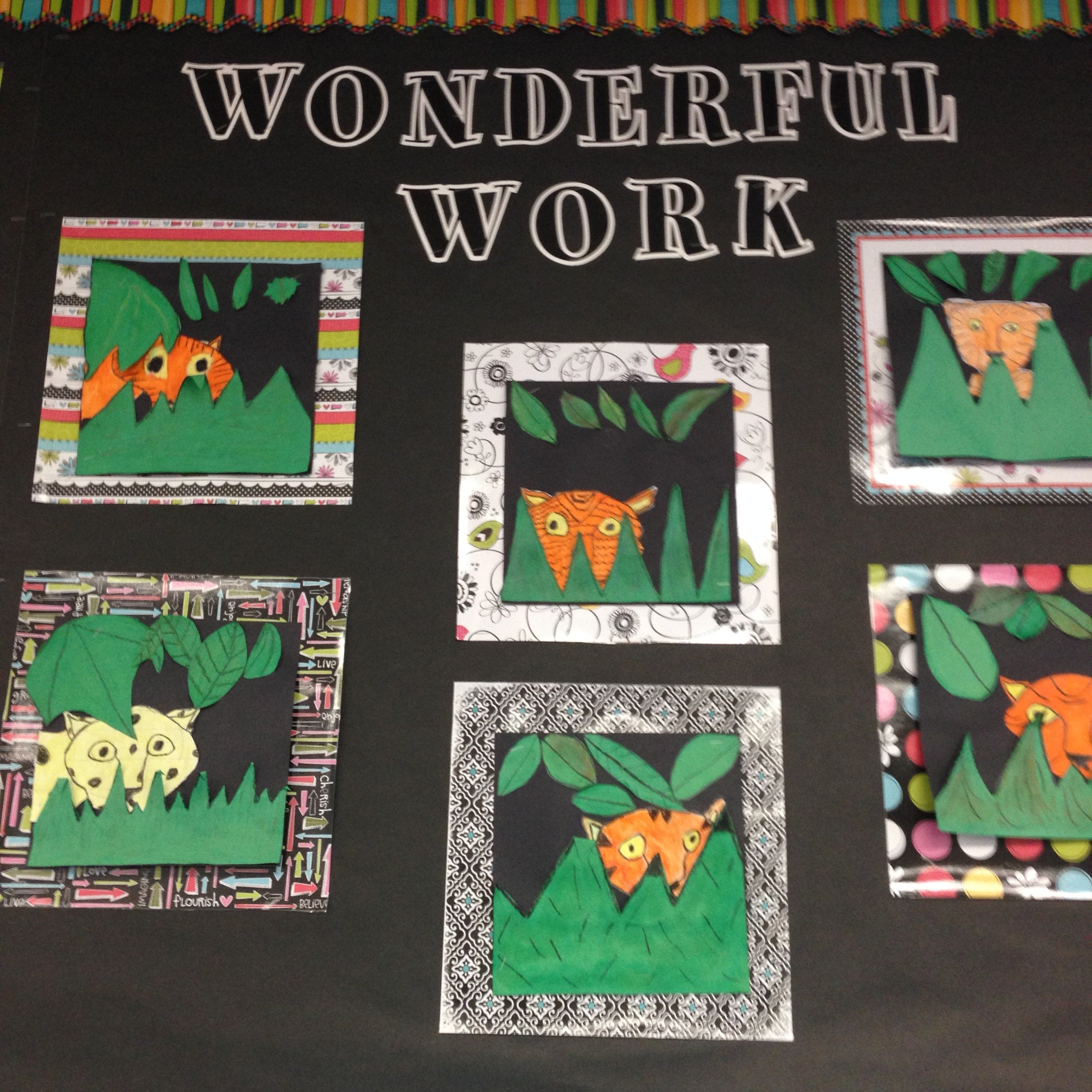
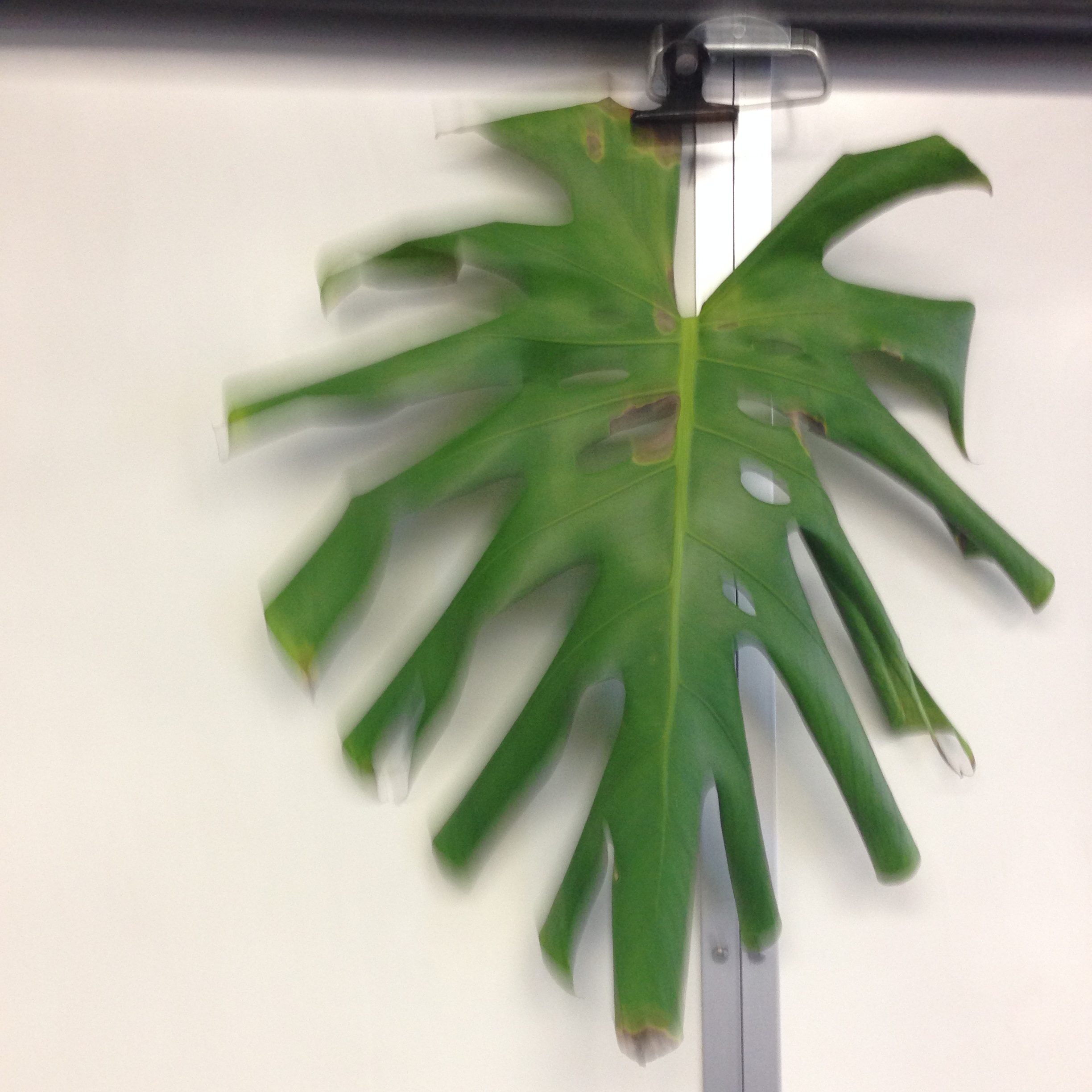
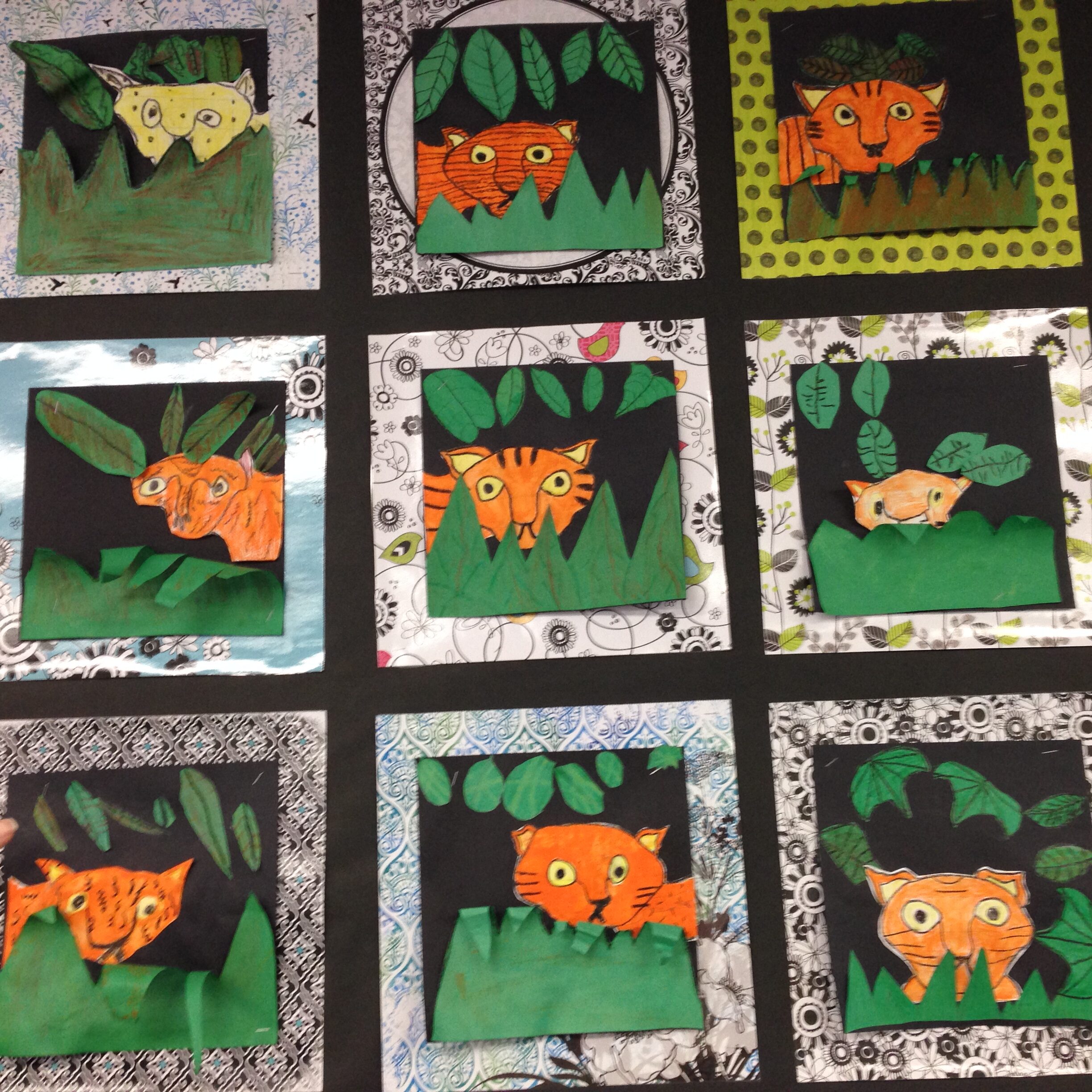
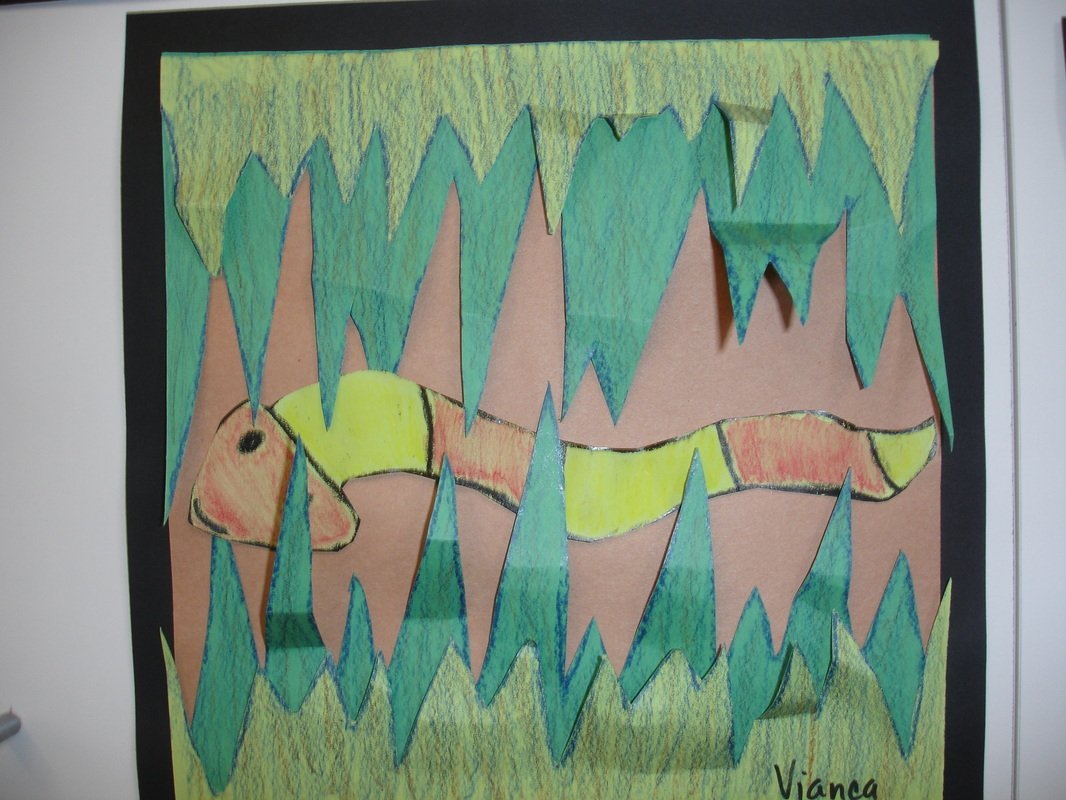
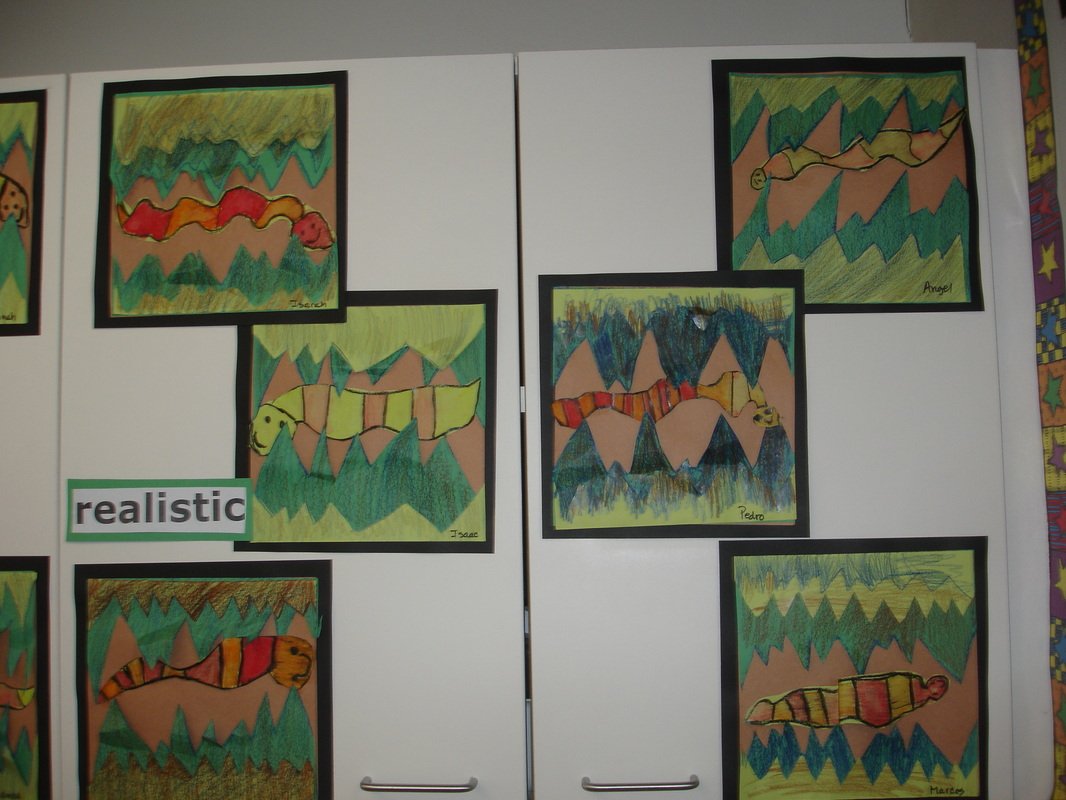
In Meet the Masters, students create their own jungle landscape with watercolor crayons and watercolor brushes, combining shapes of plants and animals rather than basing them on one photo reference. Henri Rousseau art projects for kids usually have the following pattern:
- drawing a layered background of leaves, vines, and jungle plants;
- adding a foreground animal, such as a feline or a bird;
- building depth with overlapping shapes rather than perspective lines;
- finishing with color to separate background, midground, and foreground.
This layering technique is essentially the core of the project because it gives the painted jungle depth without requiring accurate proportion. Students often find this approach easier and less frustrating than a typical landscape assignment, especially when proportions come out a little off.
FAQ
What does a Henri Rousseau art project for kids usually produce?
A layered jungle scene with plant shapes in the background and an animal in the foreground.
Which Henri Rousseau paintings for kids are good examples to study?
His jungle scenes featuring tigers or lions hidden among dense, stylized foliage.
What art concepts does the lesson focus on?
Shape and value, using layered plants to build a sense of depth and foreground.
Why does the classroom project use watercolor crayons instead of paint?
They’re easier for students to control while layering plant shapes and blending color.
What makes this project different from a typical landscape lesson?
Depth comes from overlapping layered shapes rather than perspective lines or realistic proportion.