gray-white background

Gustav Klimt Art Lessons

Art Projects and Curriculum

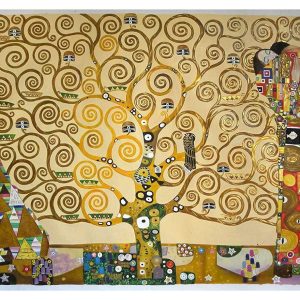
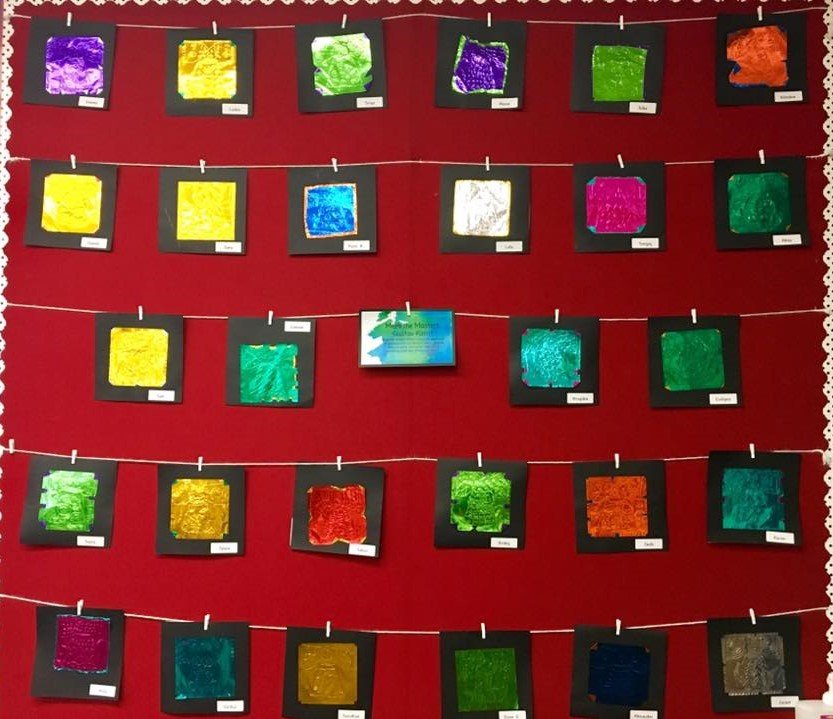
Dive into the enchanting world of Gustav Klimt's art with our comprehensive art lesson plans and captivating art projects. Explore Klimt's renowned golden motifs and intricate compositions, inspiring students to create their own dazzling artworks. Through hands-on activities and insightful discussions, students will gain a deeper understanding of Klimt's innovative techniques and his enduring impact on the art world.

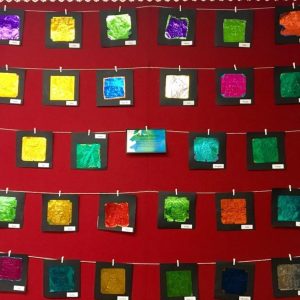
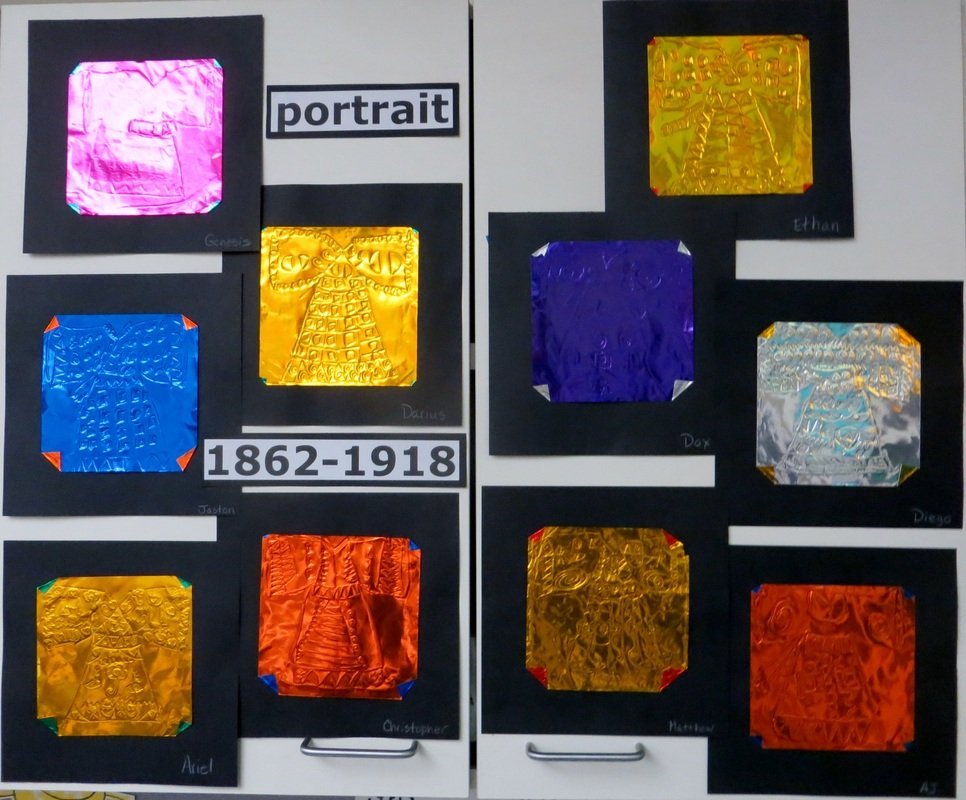
Student Artwork Showcase

Style

Modernist

Media

Gold Leaf, Oil

Heritage

Austrian

Gender

Male

About Gustav Klimt (1862-1918)

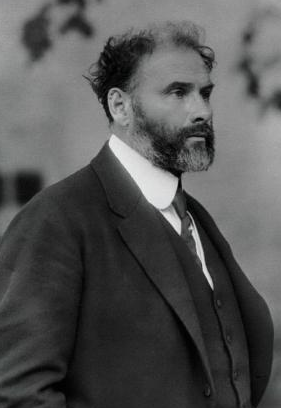
Gustav Klimt was an Austrian symbolist painter, widely considered to be one of the most important artists of the Art Nouveau movement. He is best known for his gilded, decorative portraits and landscapes, which often feature sinuous lines, gold leaf, and complex patterns. His work was heavily influenced by Japanese art and he is considered a pioneer of modern art in Europe. He was a founding member of the Vienna Secession movement, which sought to break away from the traditional academies and promote modern art.

Klimt's most famous works include the portraits "Adele Bloch-Bauer I" and "The Kiss," both of which are highly valued and widely recognized. He died in 1918, but his work continues to inspire artists and art lovers around the world.

Gustav Klimt Art Lesson & Art Activity Projects for Elementary Students

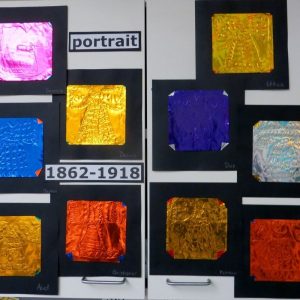
The golden, sparkling portraits and landscapes of Austrian Gustav Klimt are introduced in this lesson. Students investigate his use of jewels, mirrors, gold, and silver to create his Golden Style of the early 1900s. His most famous masterpiece is “The Kiss,” known throughout the world. Be sure to click through the student masterpieces at the top of this page.

Gustav Klimt Art Projects

View the Artist Trailer

Art Elements Taught

Pattern

Art Activity Emphasis

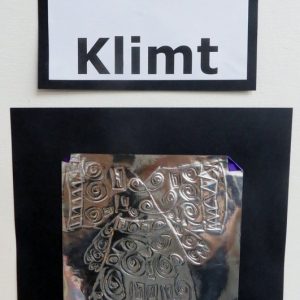
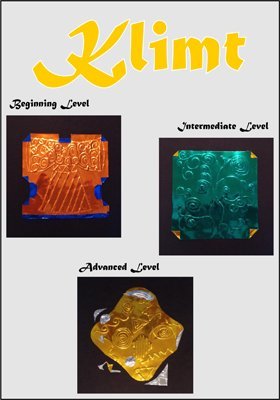
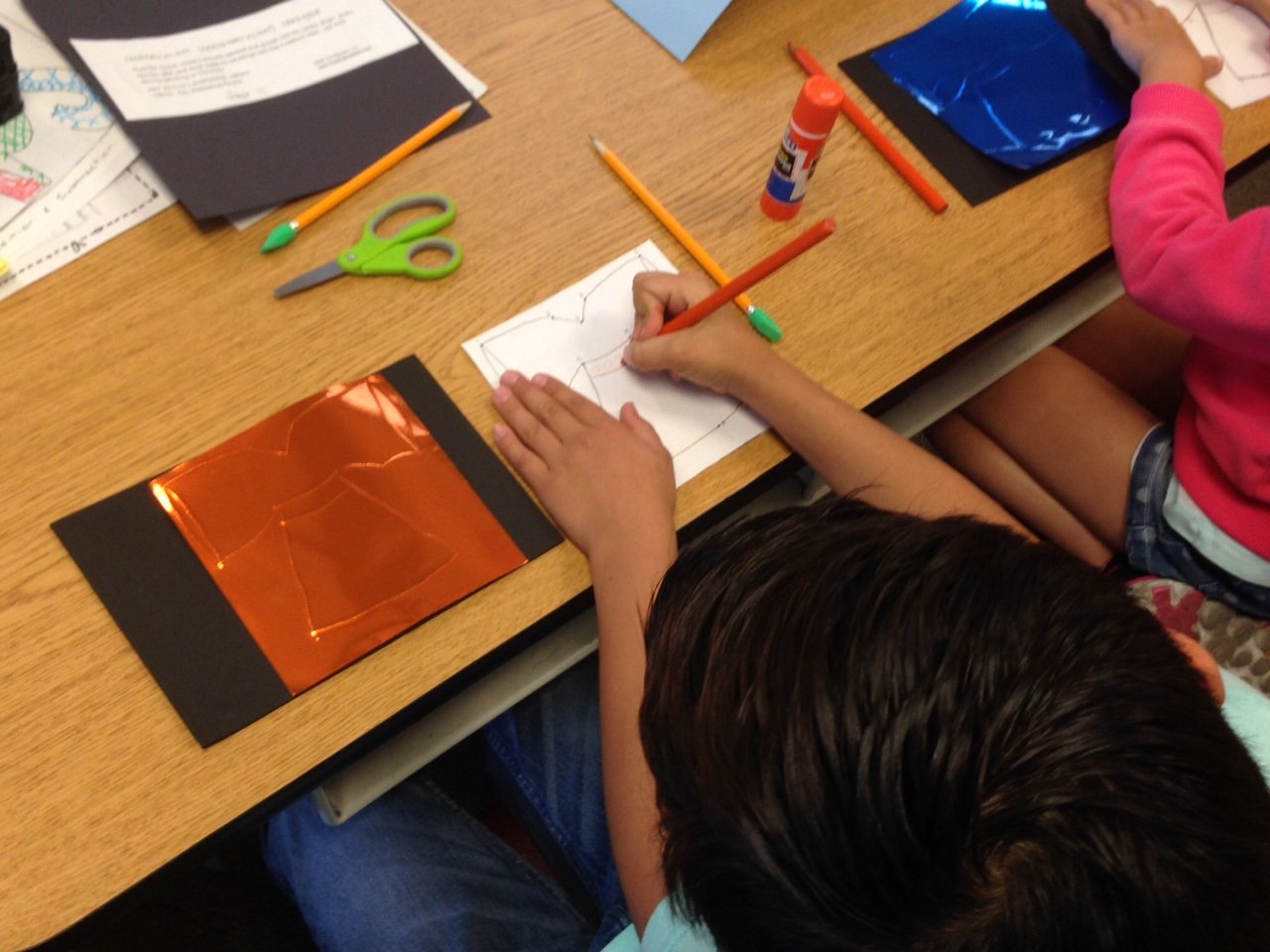
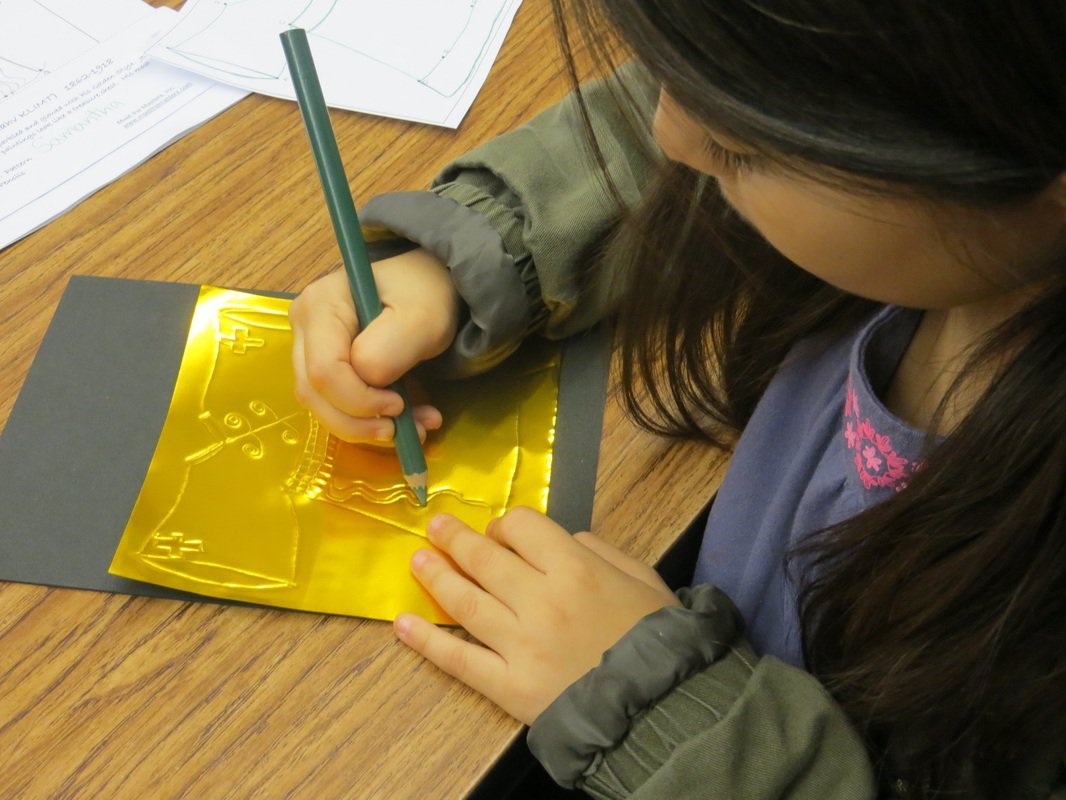
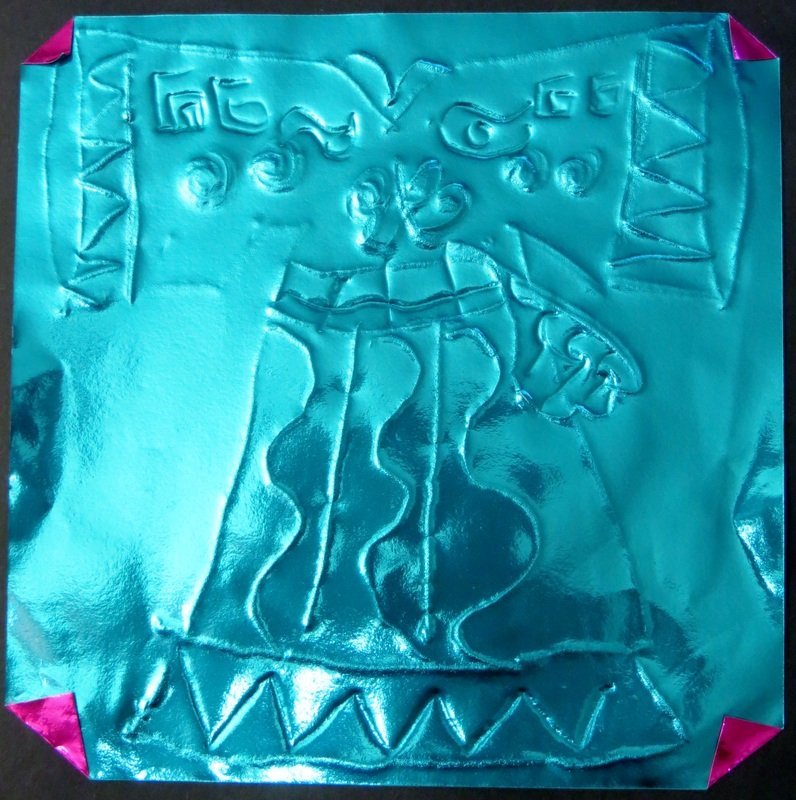
Metal Embossing, Decoration

Vocabulary Learned

decorate, landscape, pattern, portrait, shape, texture

Student Art Supplies

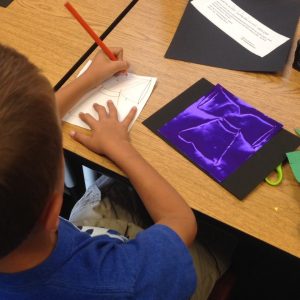
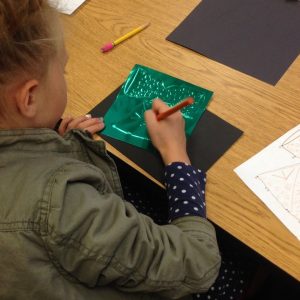
Foil Sheets, Foam Pads, Embossing Pencils
gray-white background

How the Art Program Works:

1. Assembly

Introducing the Masters—Multi-Purpose Room or Classroom (20-45 minutes)

2. Student Worksheets

Learning from the Masters—Classroom (15-30 minutes)

3. Student Art Projects

Working with the Masters—Classroom (50-60 minutes)

Real Reviews from Real Teachers & Parents

See Why Everyone Loves Meet The Masters

I had a parent stop me in the halls and express how much her children loved the curriculum. She was overjoyed that formal art education was included in our school day and that it was a curriculum that challenged the older elementary students, and was able to be done by the younger ones as well. She had a first and fourth grader at the time. I also had an aide who was in the classroom with me while I was teaching tell me how much she loved that art history portion of the curriculum. She said that she wasn’t much of an artist, and as a kid she dreaded craft time, but that the inclusion of the art history would have made all the difference to her as a child. I have students who have complained about going to a good behavior activity (which are always super fun!) because it meant she would have to miss art that week!

Read the case study for this school district.

Kristina Franklin
Art Teacher, Fruitvale School District, Bakersfield CA
gray-white background

More Artists on the Same Track

Buy a track of 7 artists and teach all year long.

All tracks include:

  • Implementation guide to manage scheduling, volunteers & communication
  • Multi-level, age-appropriate curriculum for all seven artists in this track
  • Engaging PowerPoint visuals that include vocabulary, art concepts & music
  • Timed, illustrated & scripted lessons perfect for teachers or volunteers
  • Hands-on technique worksheets, art project details, art prints, games & props

*Art supplies and teacher/volunteer training DVDs can be added to your order.

What does it mean when an artist uses real gold leaf instead of just gold-colored paint? The Gustav Klimt art for kids is always introduced with such paintings as “The Kiss,” where the portraits have a lot of patterns and shine. Just a glimpse at Gustav Klimt biography for kids proves that this is an Austrian painter who played an important role in developing the Vienna Secession movement in opposition to traditional academies with his own unique interpretation of Art Nouveau style.

Gustav Klimt for Kids: Embossing Metal Instead of Paint

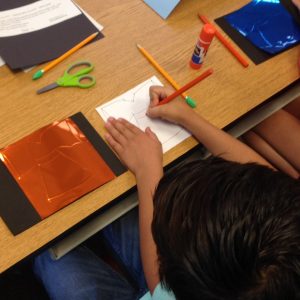
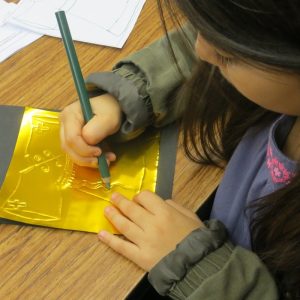
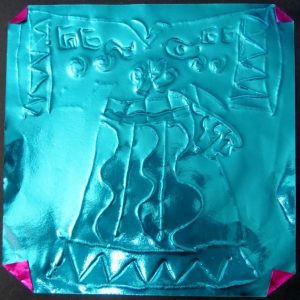
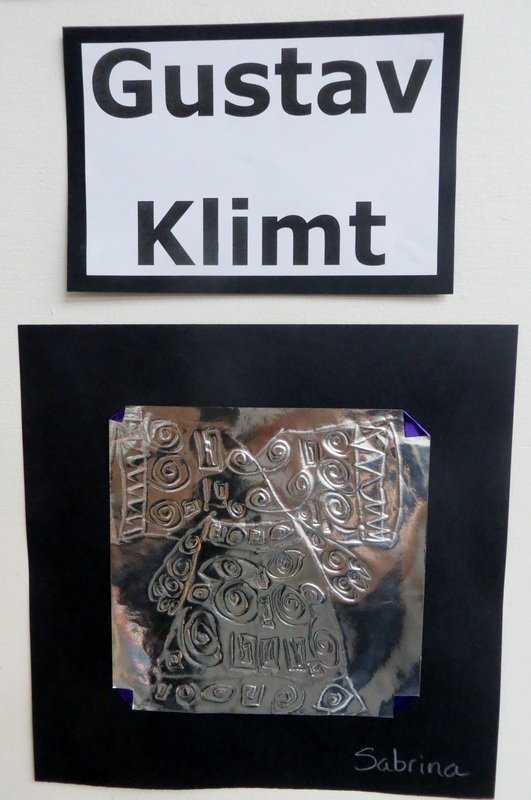
While paintbrushes aren’t an option in this project, students use foil sheets, foam pads, embossing pencils that let them apply patterns and textures to the metal surface, similar to how the painter applied gold leaf to his works. This is one of the most unusual art projects for kids in the entire curriculum.

FAQ

Why is Klimt known for using gold in his art?

He worked with real gold leaf, giving pieces like “The Kiss” a glittering, decorative surface.

What group did Klimt help start?

The Vienna Secession, a movement that pushed against traditional academic art.

What makes Gustav Klimt art projects for kids stand out from other lessons?

The metal embossing technique — pressing pattern into foil instead of painting or drawing it.

WP Twitter Auto Publish Powered By : XYZScripts.com