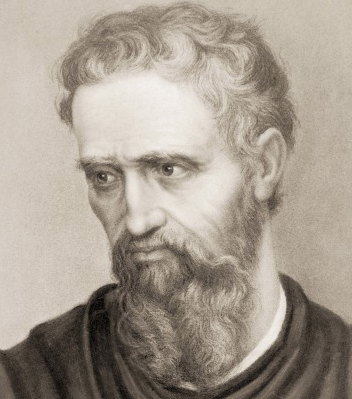
Painter, sculptor, architect, and poet — most artists specialize in one of these. Michelangelo did all four, often at the same time, and did each one well enough to still be studied five centuries later.
Michelangelo for Kids: The Many Talents of a Renaissance Master
Though a simple Michelangelo biography for kids often begins with the famous frescoes of the Sistine Chapel, made by lying on scaffolding for years on end, his works of art such as “David” and “Pieta” demonstrate an entirely different set of skills: sculpting live figures in marble. Very few artists were able to shift from painting to sculpture to architecture as smoothly as Michelangelo did, and that’s probably one reason he is so highly respected even now as a Renaissance artist. When you compare Michelangelo paintings for kids with his sculptures, the difference becomes even more obvious.
Recreating the Look of Carved Marble
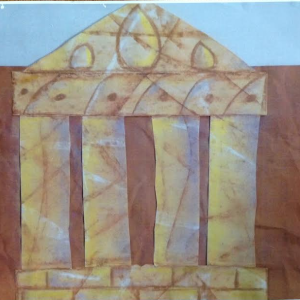
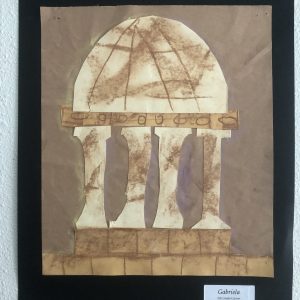
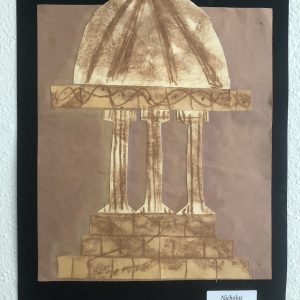
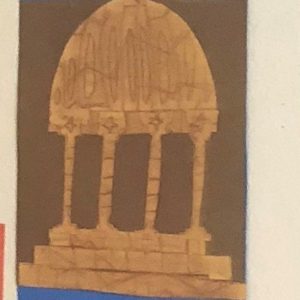
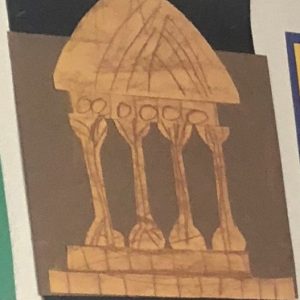
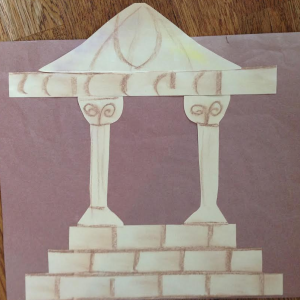
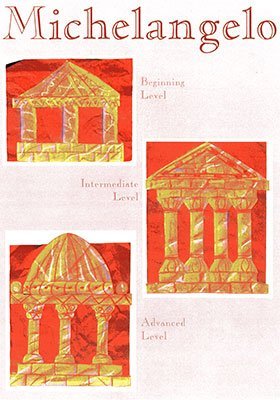
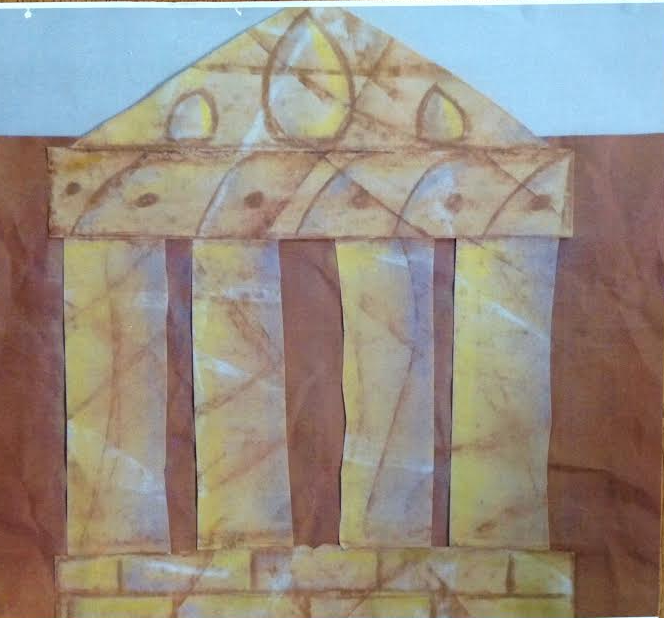
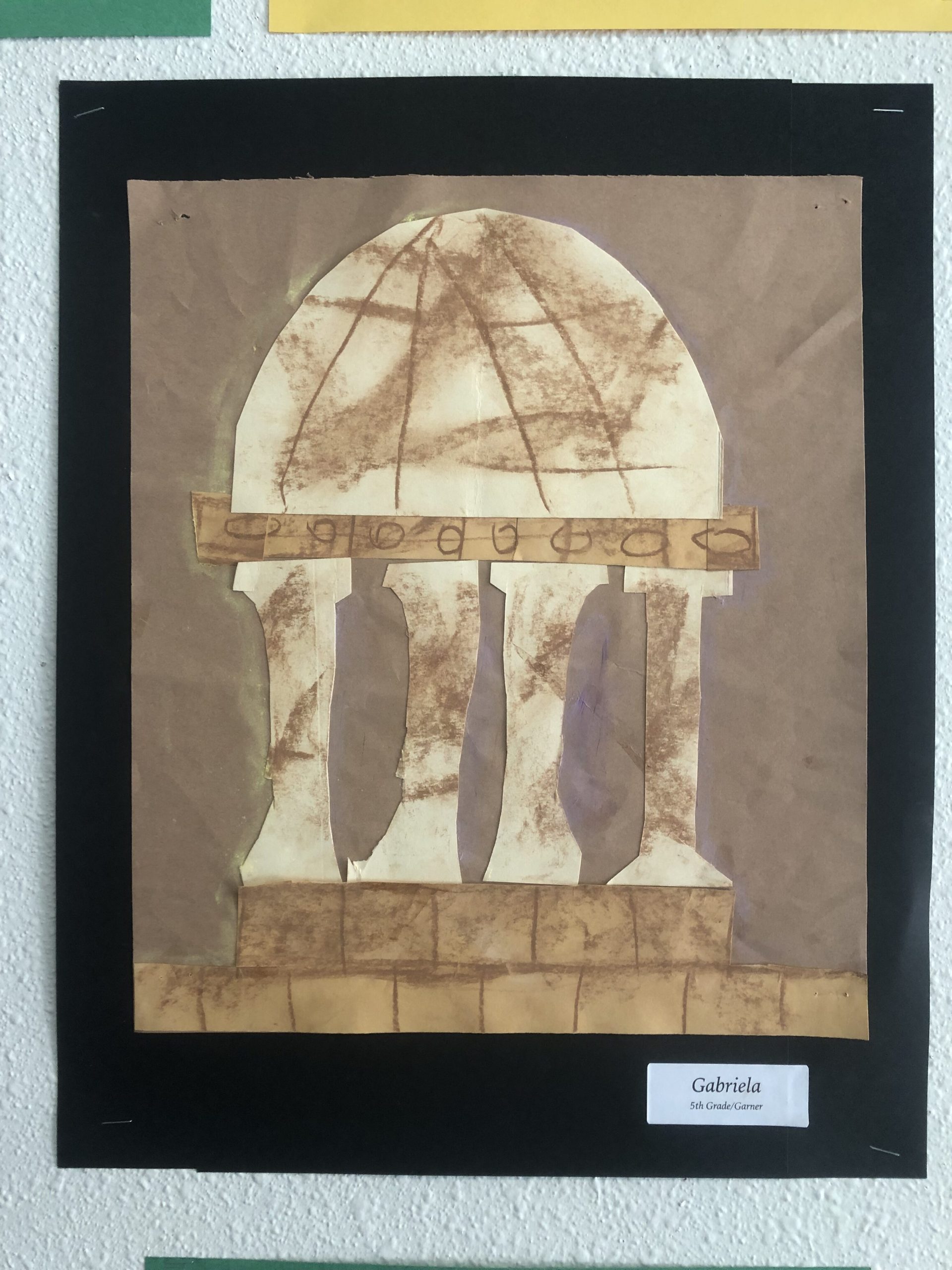
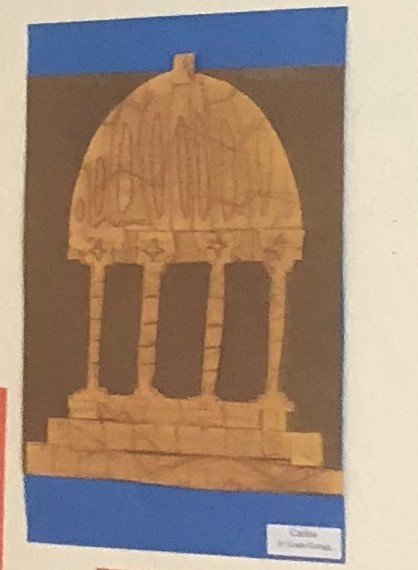
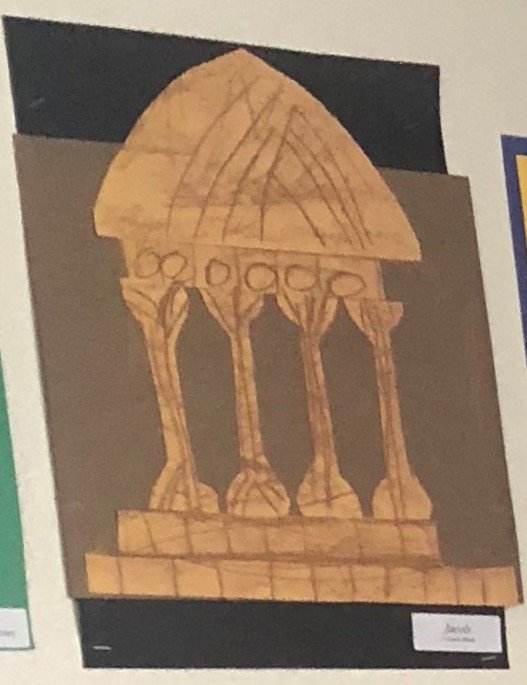
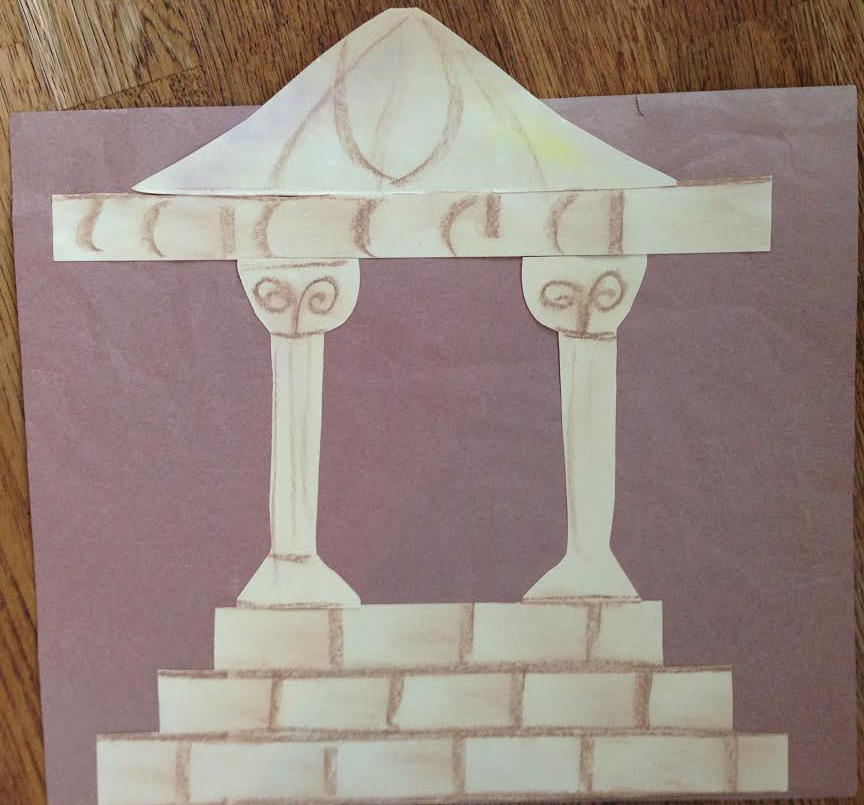
Meet the Masters completely forgoes the ceiling and focuses solely on his aspect of architecture, where children construct a façade that resembles carved marble using paint powder, cotton balls, and chalk. It typically follows a few steps:
- Sketching a simple architectural facade with columns or arched shapes.
- Applying powdered paint as a base layer to suggest the color of stone.
- Using cotton balls to soften and blend the paint into a marble-like texture.
- Adding chalk highlights and shadows to give the flat surface a sense of depth.
Getting that final sense of depth is really the whole point, since it forces students to think about where light would actually hit a carved surface rather than guessing at random. Highlight and shadow do most of the work here, the same visual tools Michelangelo used to make flat stone look three-dimensional.
FAQ
What are some good Michelangelo art for kids to start with?
The Sistine Chapel ceiling and the “David” sculpture are the most recognizable starting points.
What does a Michelangelo art projects for kids activity usually involve?
Building a marble-style facade using powdered paint, cotton balls, and chalk.
What art concepts does the lesson focus on?
Form, highlight, and shadow, along with vocabulary like Renaissance and sculptor.