Most artists spend a career refining one style. Pablo Picasso went through many reinventions; for instance, he created portraits in blue tones in one era and, another time around, Cubist works in fractured forms that seemed to have been done by a different artist entirely.
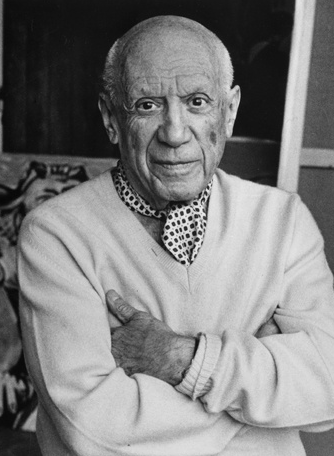
Pablo Picasso for Kids: An Artist Who Kept Changing
Some Pablo Picasso information for kids begins with simply how many different periods in his life existed, usually defined by a specific color or mood associated with that period, such as his famous Blue Period. A short Pablo Picasso biography for kids usually treats these shifts as separate chapters, since the paintings from each period can look like they came from entirely different artists.
That range is one of the more useful things elementary art lessons Pablo Picasso tend to lean on, since it gives teachers an easy way to show that “style” isn’t fixed—it’s something an artist can choose and change on purpose. Children often think a “true artist” will paint in only one way; therefore, seeing someone move through so many styles is sure to expand children’s ideas about where their artwork can go.
Pablo Picasso Art Projects for Kids: Building a Cubist Still Life
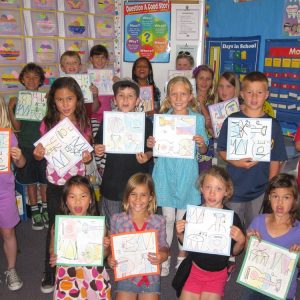
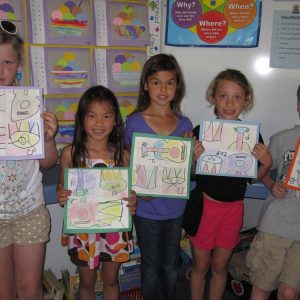
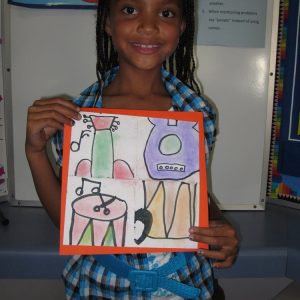
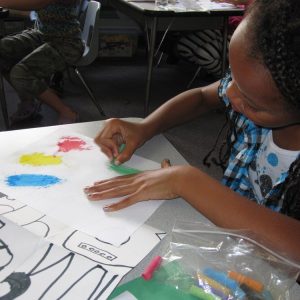
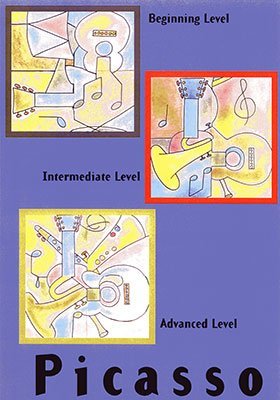
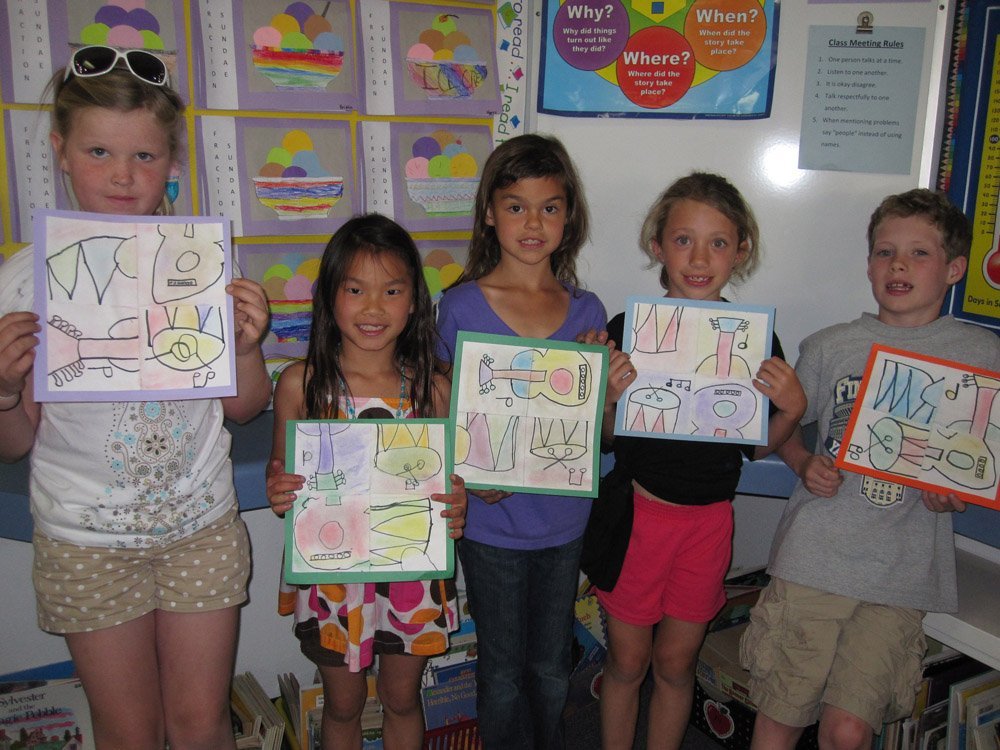
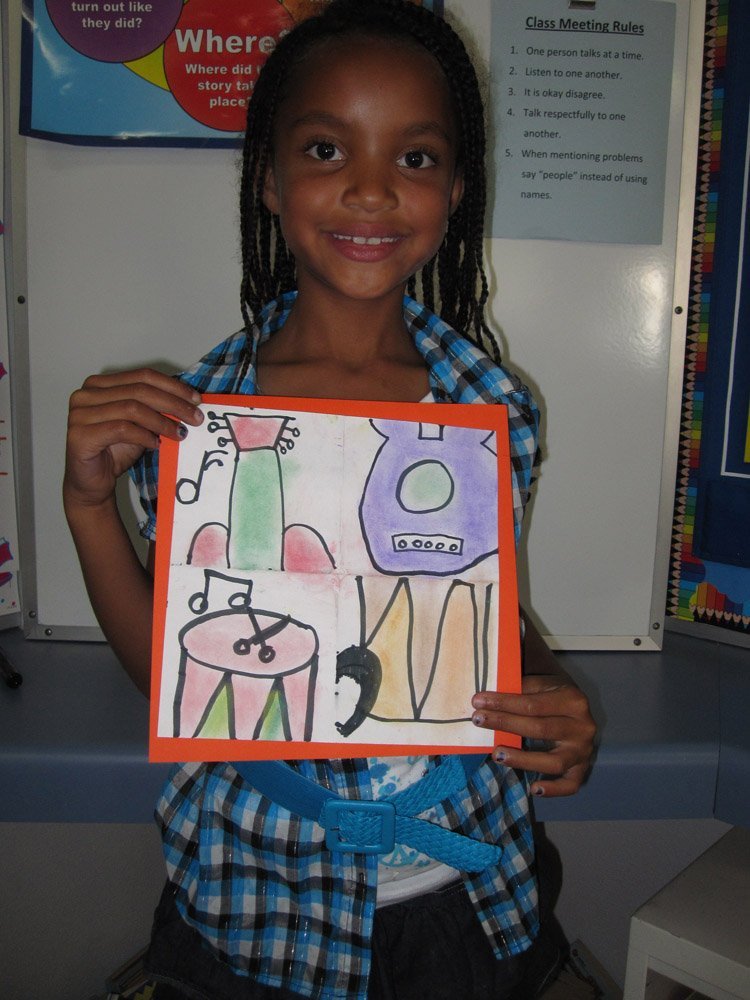
Meet the Masters is dedicated to his most famous era, Cubism, where the students create a still life composition using chalk and marker. This process generally involves the following steps:
- Breaking a familiar object into simple geometric shapes.
- Rearranging those shapes so multiple angles show at once.
- Outlining sections with marker to keep the composition readable.
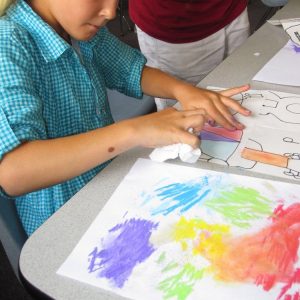
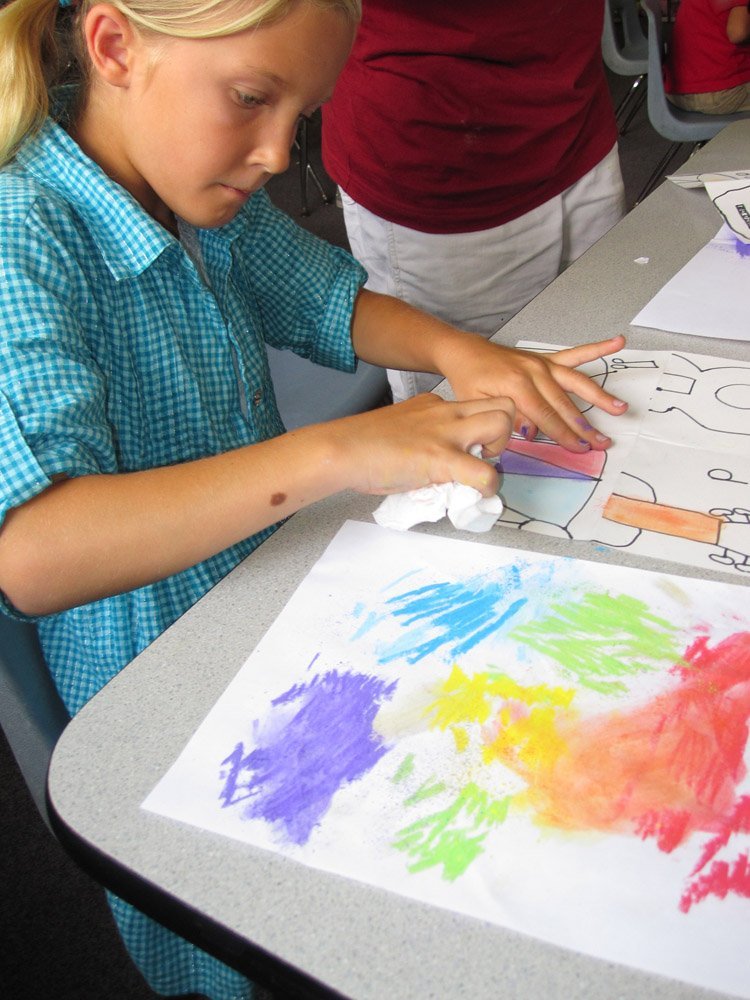
- Staining the shapes with chalk for texture and depth.
The final process, namely chalk staining, gives the artwork its unique appearance, turning simple shapes into three-dimensional forms on paper, and it’s usually the stage students remember most after completing the class.
FAQ
What are some good Pablo Picasso art for kids to look at first?
Pieces from his Blue Period and his Cubist still lifes are both good, accessible starting points.
Which Pablo Picasso paintings for kids best show his Cubist style?
His fractured, geometric still lifes, which break objects into simple overlapping shapes.
What supplies does the classroom project use?
Chalk and markers, used to build and stain a Cubist-style still life.