gray-white background

Claude Monet Art Lessons

Art Projects and Curriculum

Discover the beauty of Claude Monet's art with our captivating art lesson plans. From studying his famous water lilies to creating your own impressionistic masterpieces, explore the techniques and vision of this legendary artist.

Student Artwork Showcase

Style

Impressionist

Media

Oil

Heritage

French

Gender

Male

About Claude Monet (1840-1926)

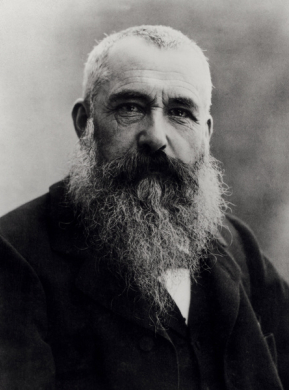
Claude Monet was a French Impressionist painter. Born in 1840, he is widely considered to be one of the pioneers of the Impressionist movement and one of the greatest landscape painters of all time. Monet's works are characterized by their loose brushwork, bright colors, and emphasis on light and atmosphere. He was known for his innovative techniques, such as capturing the changing effects of light and color in a scene, and his works often capture the beauty of nature in a fresh and spontaneous way.

Monet's series of water lilies, haystacks, and Rouen Cathedral are among his most famous works, and his paintings continue to be celebrated for their incredible beauty and innovative techniques. Today, Monet's works can be found in major museums around the world, and he remains one of the most famous and beloved artists of all time.

Claude Monet Art Lesson, Activity & Projects for Elementary

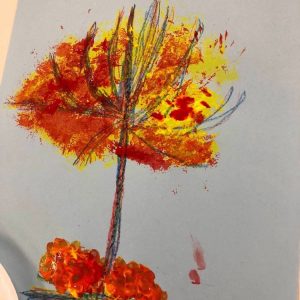
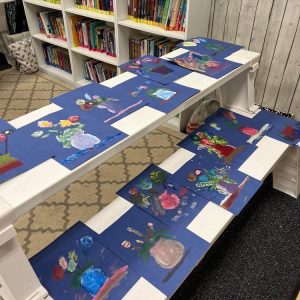
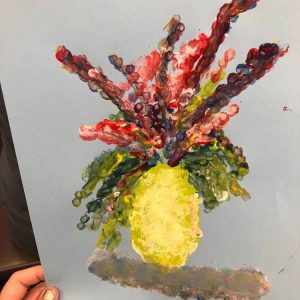
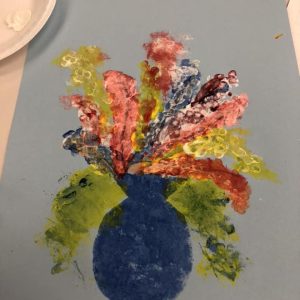
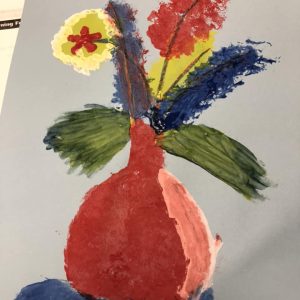
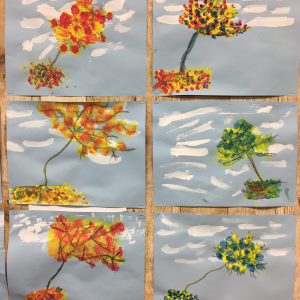
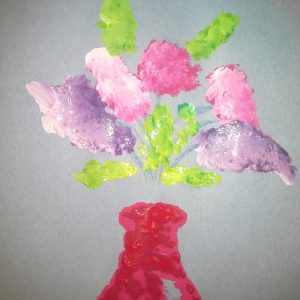
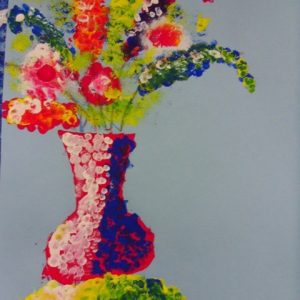
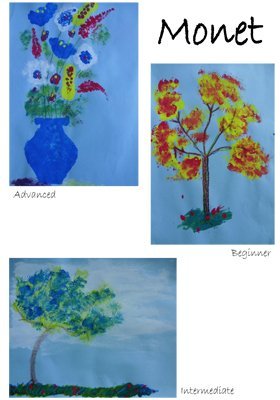
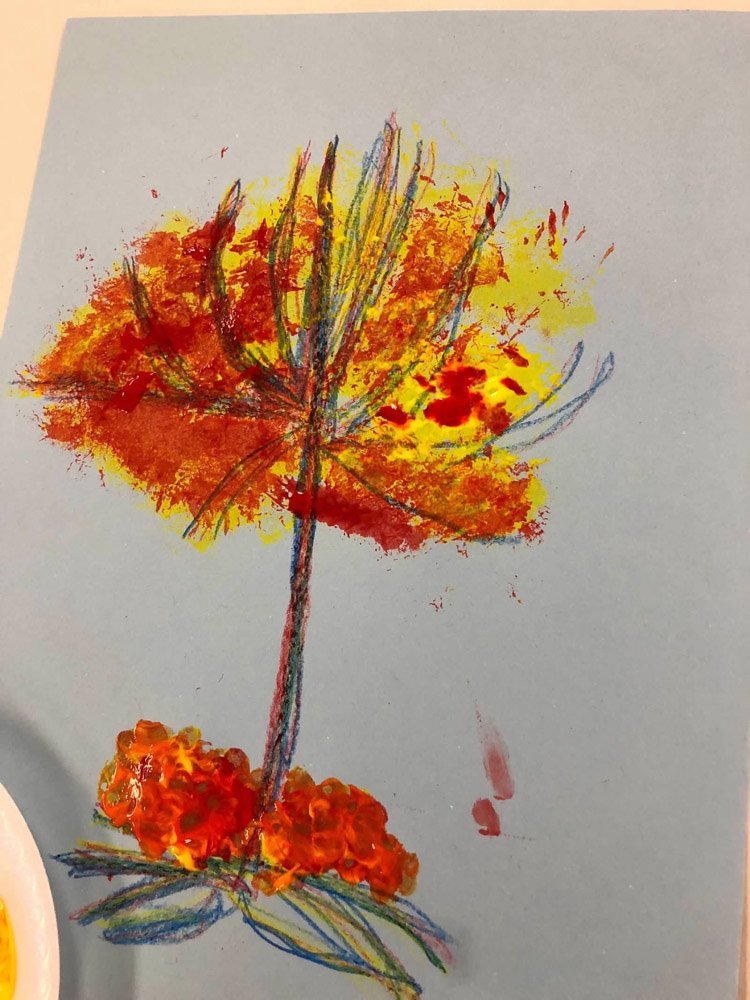
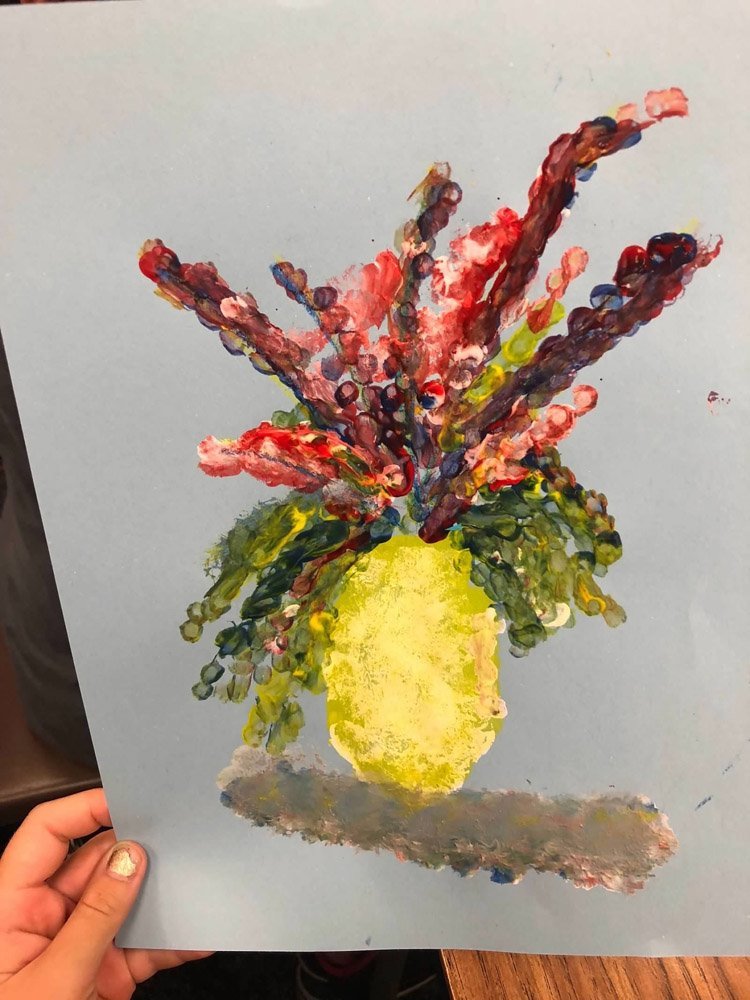
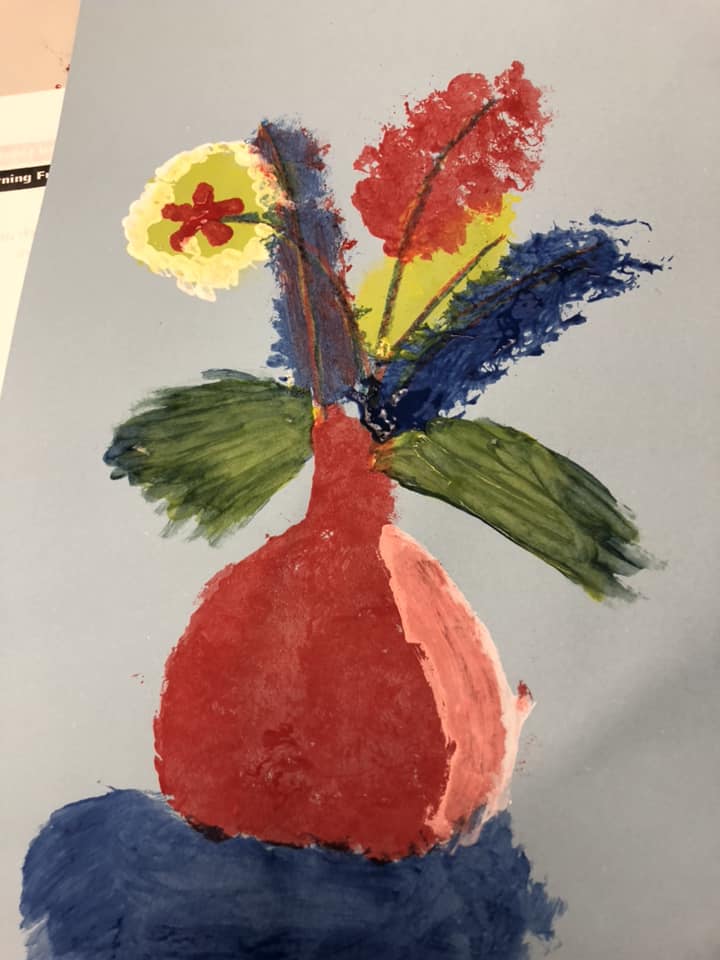
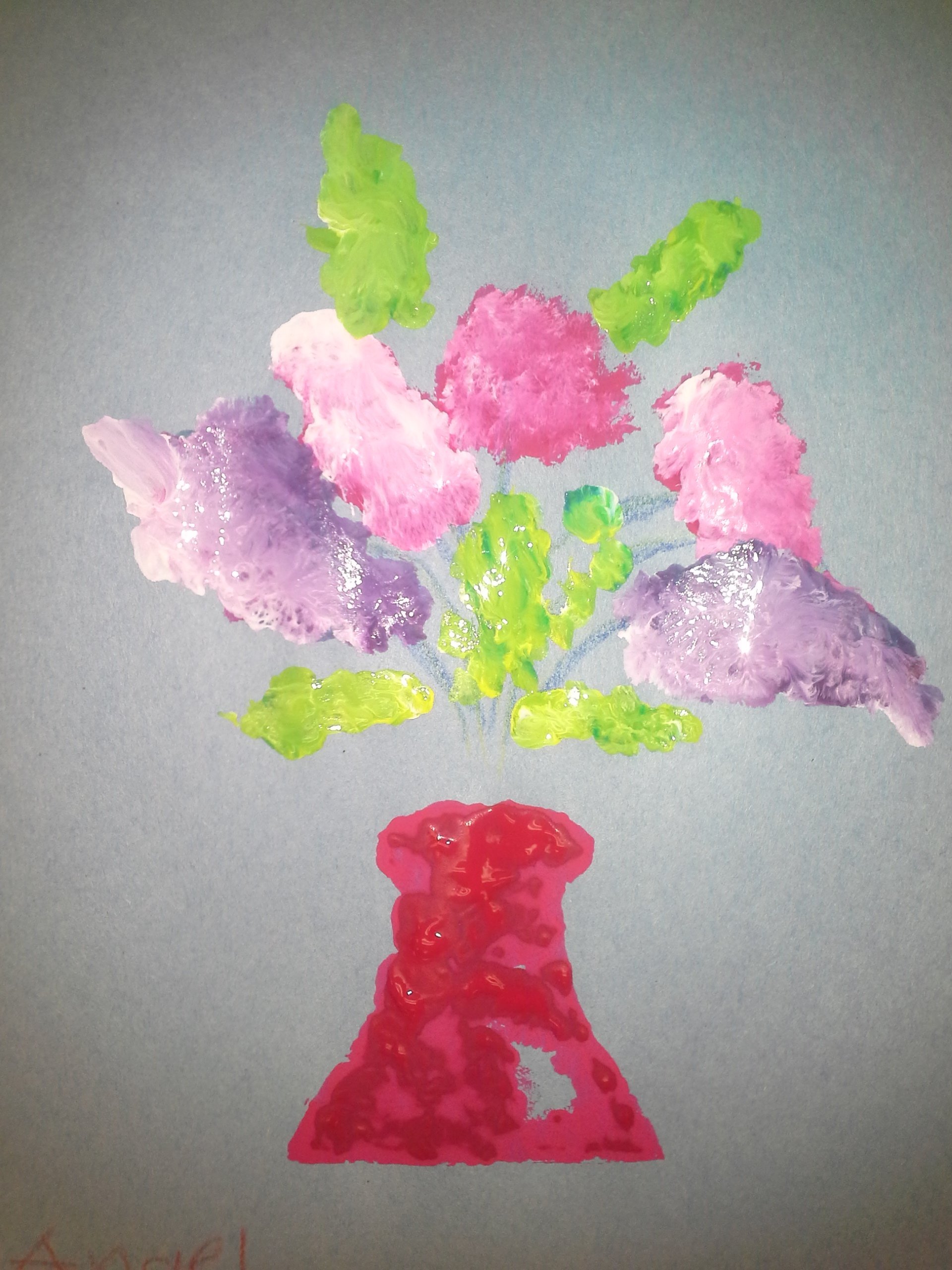
Your student artists will discover the techniques of the Impressionists while learning about the struggle Claude Monet experienced in gaining acceptance in the art world. His beautiful, vibrant use of color was emphasized as the students themselves painted in the Impressionistic style. Be sure to click through the student masterpieces at the top of this page.

Art Lessons for Claude Monet

View the Artist Trailer

Art Elements Taught

Color

Art Activity Emphasis

Impressionistic, Color Wheels, Trees, Landscapes

Vocabulary Learned

analogous, canvas, color, complementary, critique, impressionist, palette, primary, reflection

Student Art Supplies

Tempera Paint, Paint Swabs, Crayons
gray-white background

How the Art Program Works:

1. Assembly

Introducing the Masters—Multi-Purpose Room or Classroom (20-45 minutes)

2. Student Worksheets

Learning from the Masters—Classroom (15-30 minutes)

3. Student Art Projects

Working with the Masters—Classroom (50-60 minutes)

Real Reviews from Real Teachers & Parents

See Why Everyone Loves Meet The Masters

Everyone is so impressed with the quality of the art education and techniques the students are learning! Many have entered art contests and are attending extra art classes after school. The program has sparked a new outlet for kids to create and explore art and design.

Many students last year who were more hesitant about approaching art are diving in this year with much more confidence with technique and accessing the possibilities of using different mediums.

I also receive many pieces of student art created at home after our lessons. Recently, a student drew a beautiful fruit still life after learning about Frida Kahlo.

Read the case study for this school district.

Cara Nicoletti
Art Teacher, Fruitvale School District, Bakersfield CA
gray-white background

More Artists on the Same Track

Buy a track of 7 artists and teach all year long.

All tracks include:

  • Implementation guide to manage scheduling, volunteers & communication
  • Multi-level, age-appropriate curriculum for all seven artists in this track
  • Engaging PowerPoint visuals that include vocabulary, art concepts & music
  • Timed, illustrated & scripted lessons perfect for teachers or volunteers
  • Hands-on technique worksheets, art project details, art prints, games & props

*Art supplies and teacher/volunteer training DVDs can be added to your order.

Claude Monet was rejected for years, and nobody paid attention to Impressionism until it became a major artistic trend; critics ridiculed Monet’s loose, undetailed brushwork. What is more interesting is that the term “Impressionism” came from critics who named the style after one of Monet’s pictures, which looked unfinished to them. It is an excellent example for young artists that a style that looks ridiculed can become exactly what will last for ages.

Claude Monet for Kids: From Rejection to Recognition

Among some Claude Monet information for kids is the fact that he painted the same object at different times of day to show changes in light. Reading about Claude Monet paintings for kids, it becomes clear that to understand the notion of “changing light,” you need to look at several pictures of the same objects, such as his water lilies or haystacks. When children see them side by side, they can understand the concept of “changing light.”

Claude Monet Art for Kids: Mixing Color Like an Impressionist

Meet the Masters gets hands-on with color theory here, using tempera paint, paint swabs, and crayons to teach concepts most students haven’t encountered yet. These Claude Monet art projects for kids usually follow a similar sequence:

  • Learning primary and analogous colors before picking up a brush.
  • Mixing complementary colors to see how they interact on the canvas.
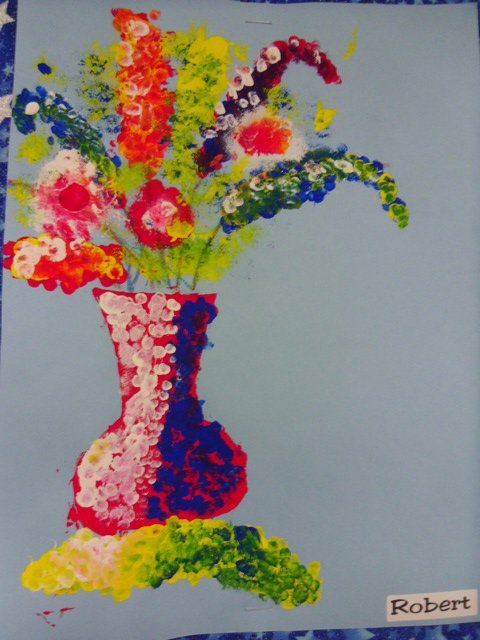
  • Applying paint in dabs and swabs rather than smooth, blended strokes.
  • Adding reflection into a simple landscape or pond scene.

By the end, students have a working sense of color theory that goes well beyond “what colors make purple.”

FAQ

What’s an interesting Claude Monet biography for kids?

He painted the same scenes repeatedly to study how light changed their color throughout the day.

Why did Monet’s style face criticism at first?

Critics found his loose brushwork and lack of fine detail unfinished-looking compared to traditional painting.

What supplies are used in the classroom project?

The classroom project uses tempera paint, paint swabs, and crayons to explore color mixing and reflection.

Why does the project focus on color mixing instead of realistic scenes?

It builds a foundation in color theory that supports almost any painting style later on.

What does a finished Claude Monet-inspired piece usually look like?

A landscape or pond scene with visible dabs of color and a sense of reflected light.

WP Twitter Auto Publish Powered By : XYZScripts.com