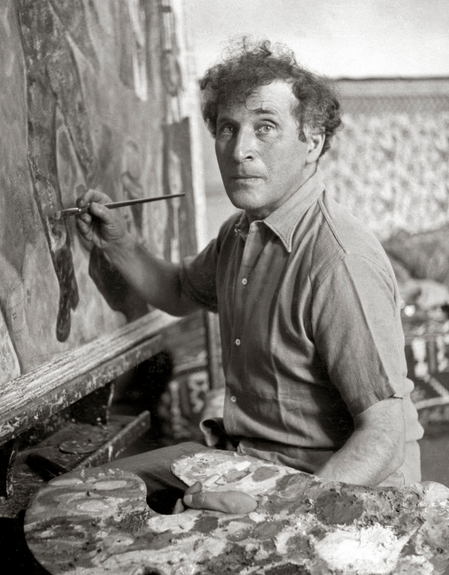
Chagall was born in Russia and grew up immersed in Jewish folklore and the rural countryside—elements that would become integral to his artwork for years to come. The Marc Chagall art style can be instantly identified by its dream-like compositions, floating forms, odd color combinations, and penchant for drawing on a mixture of Bible tales and folk tales. He worked across paints, prints, stained glass, and more, and by the end of his life he was recognized as one of the greatest artists of the twentieth century. Among the more useful Marc Chagall facts for kids: he often painted scenes from memory rather than real life, which is part of why his work feels so dreamlike.
Marc Chagall for Kids: Building an Enchanted Village
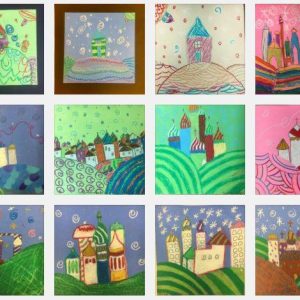
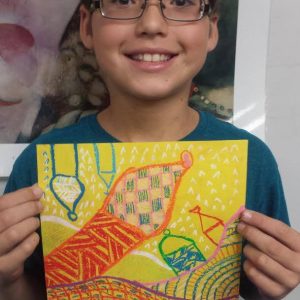
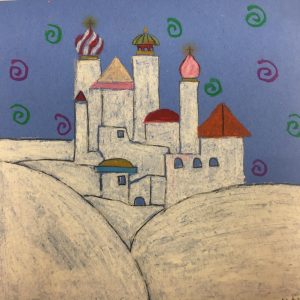
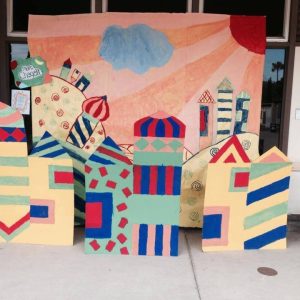
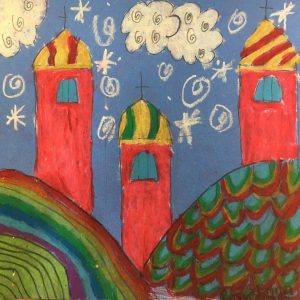
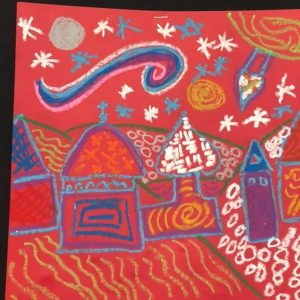
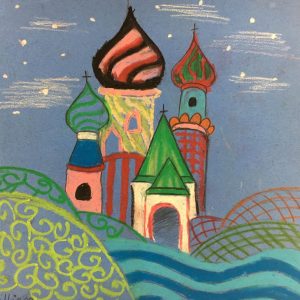
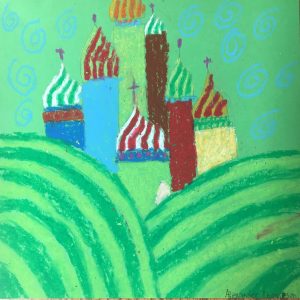
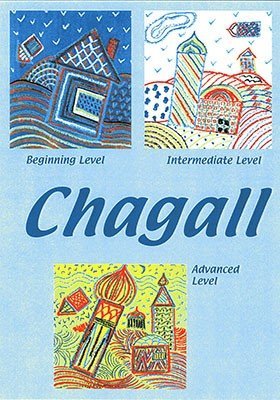
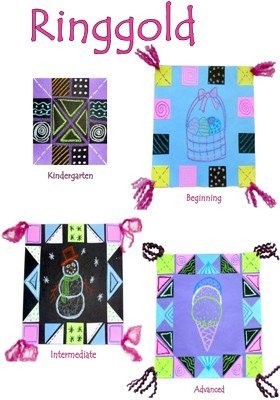
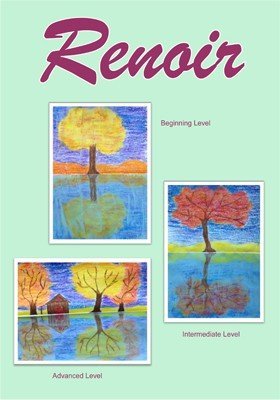
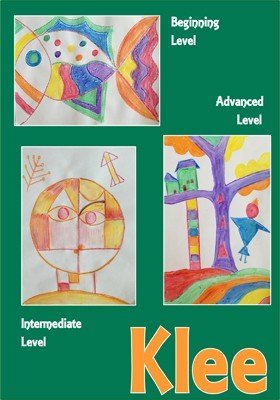
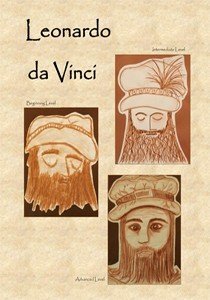
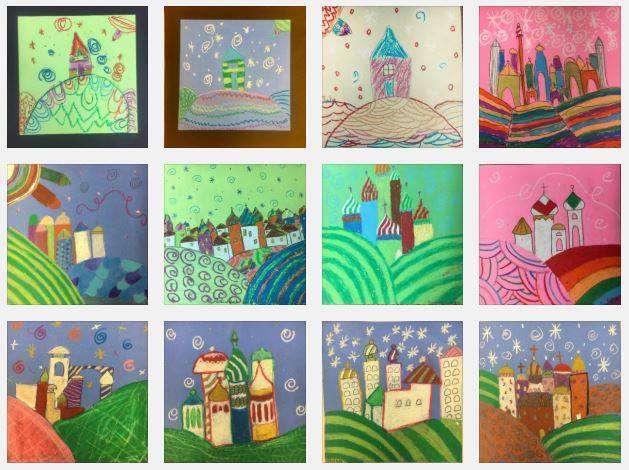
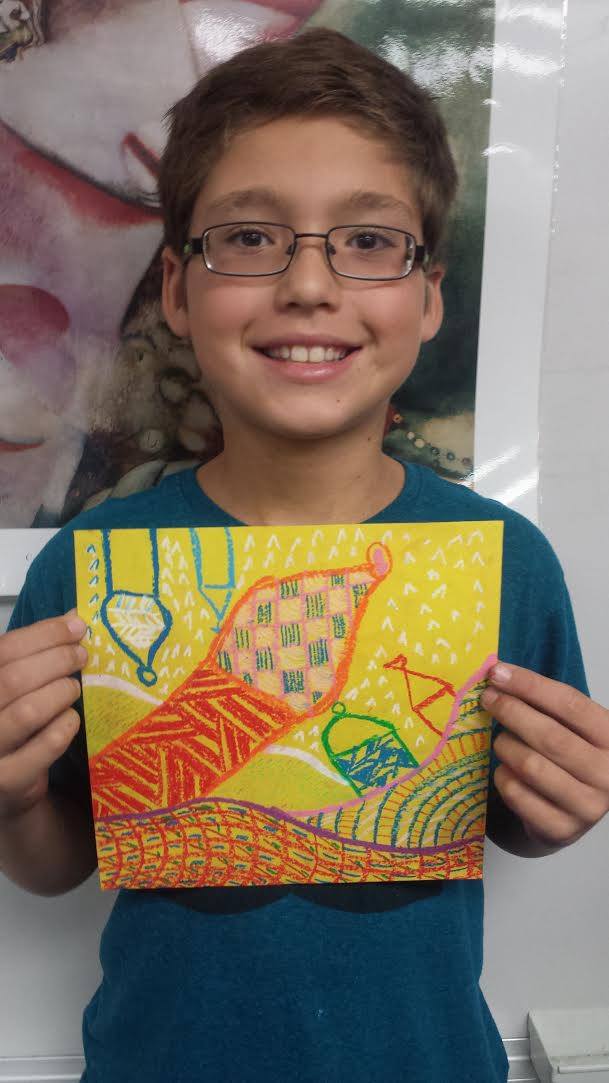
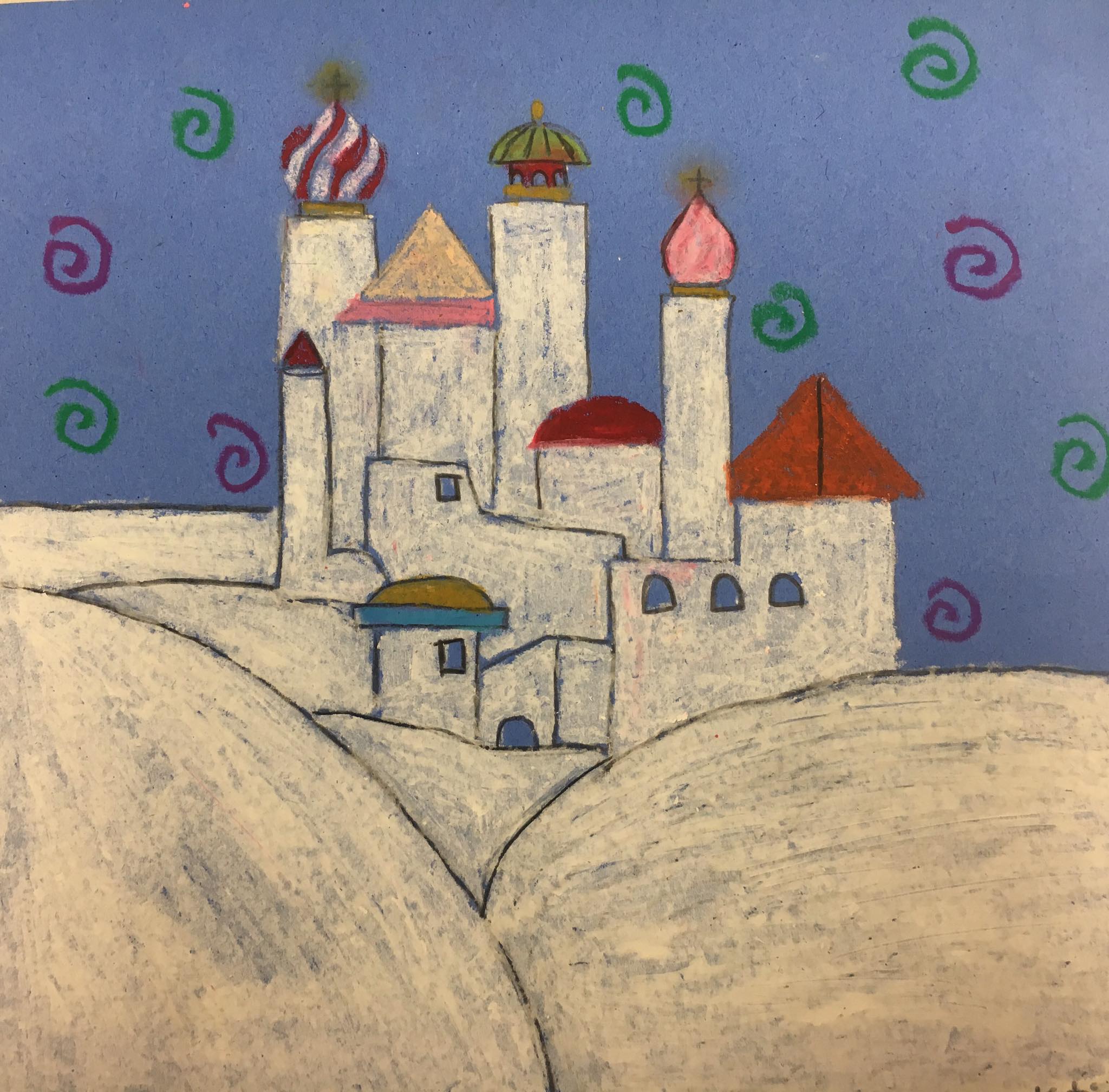
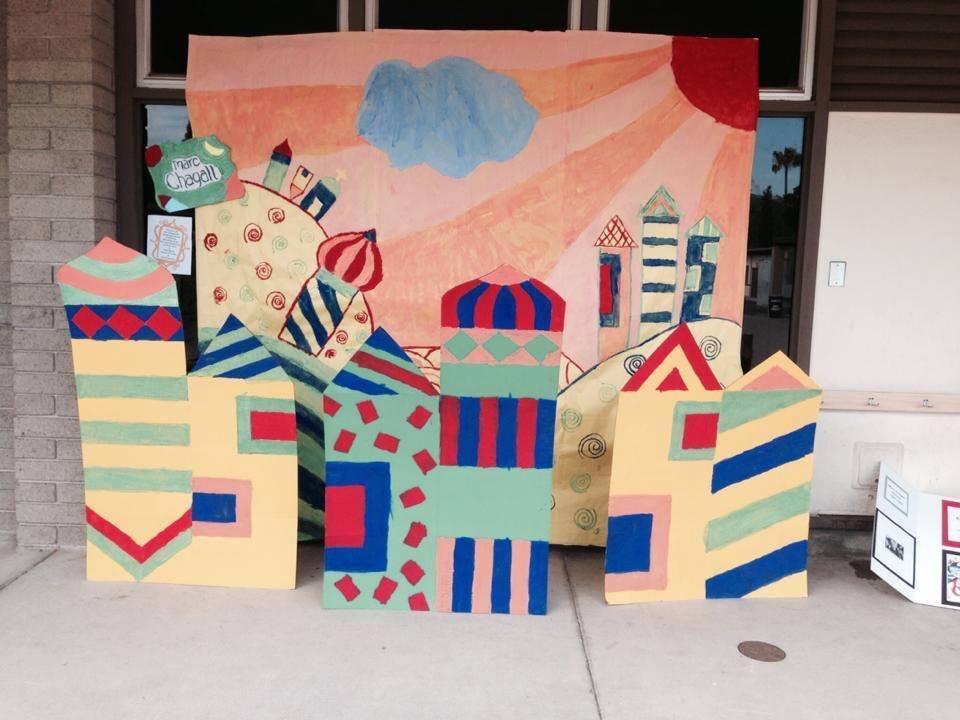
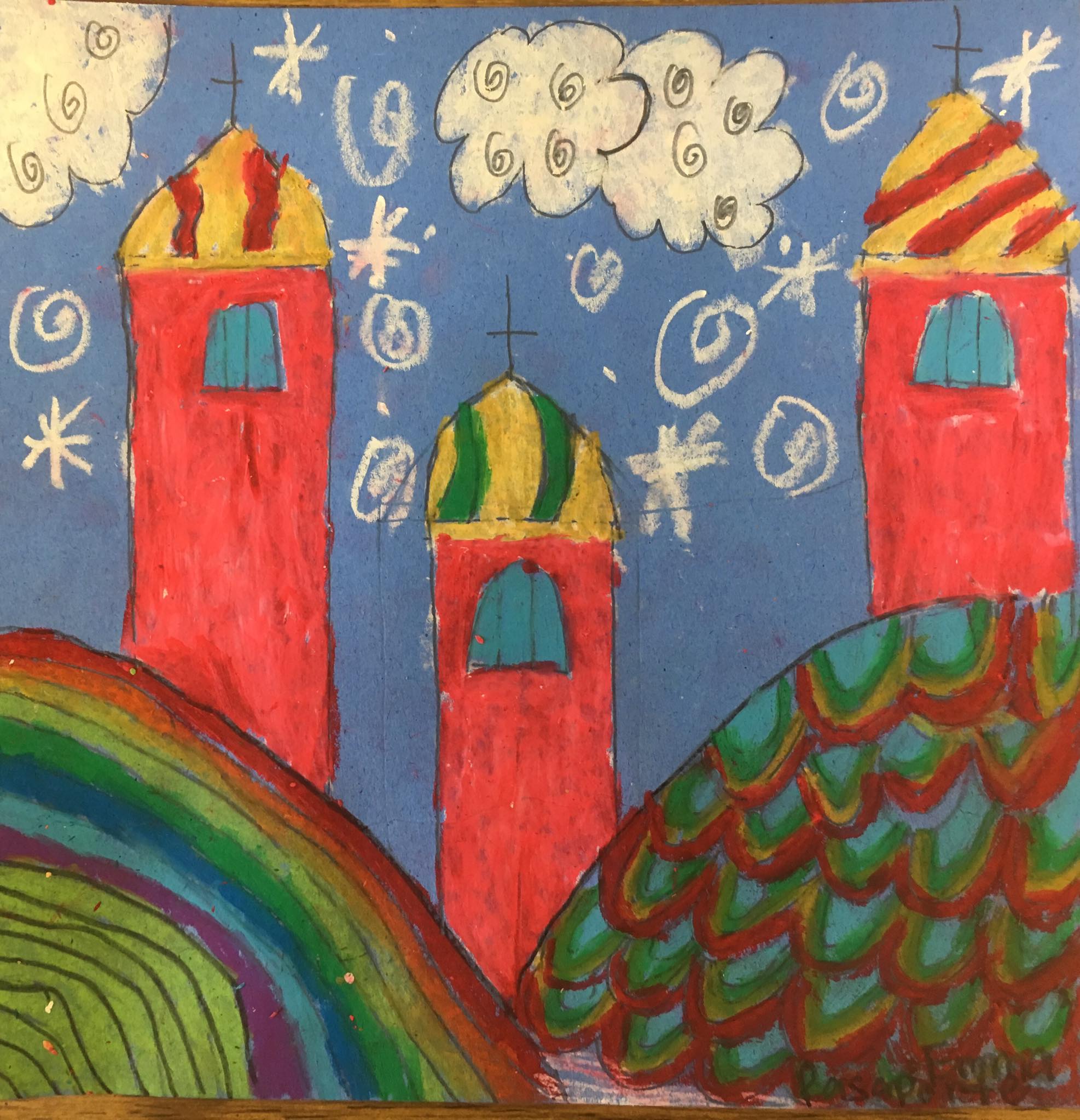
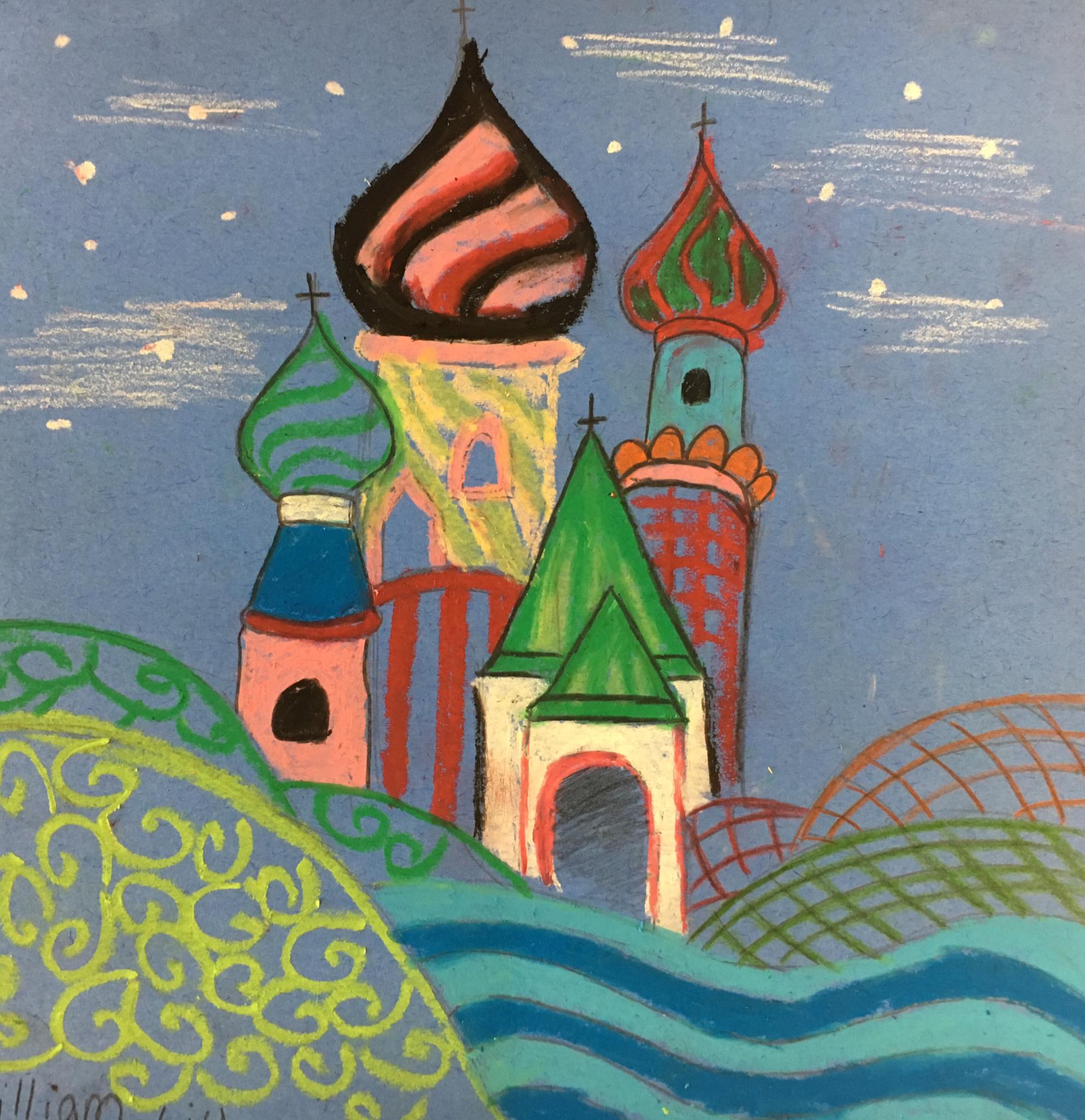
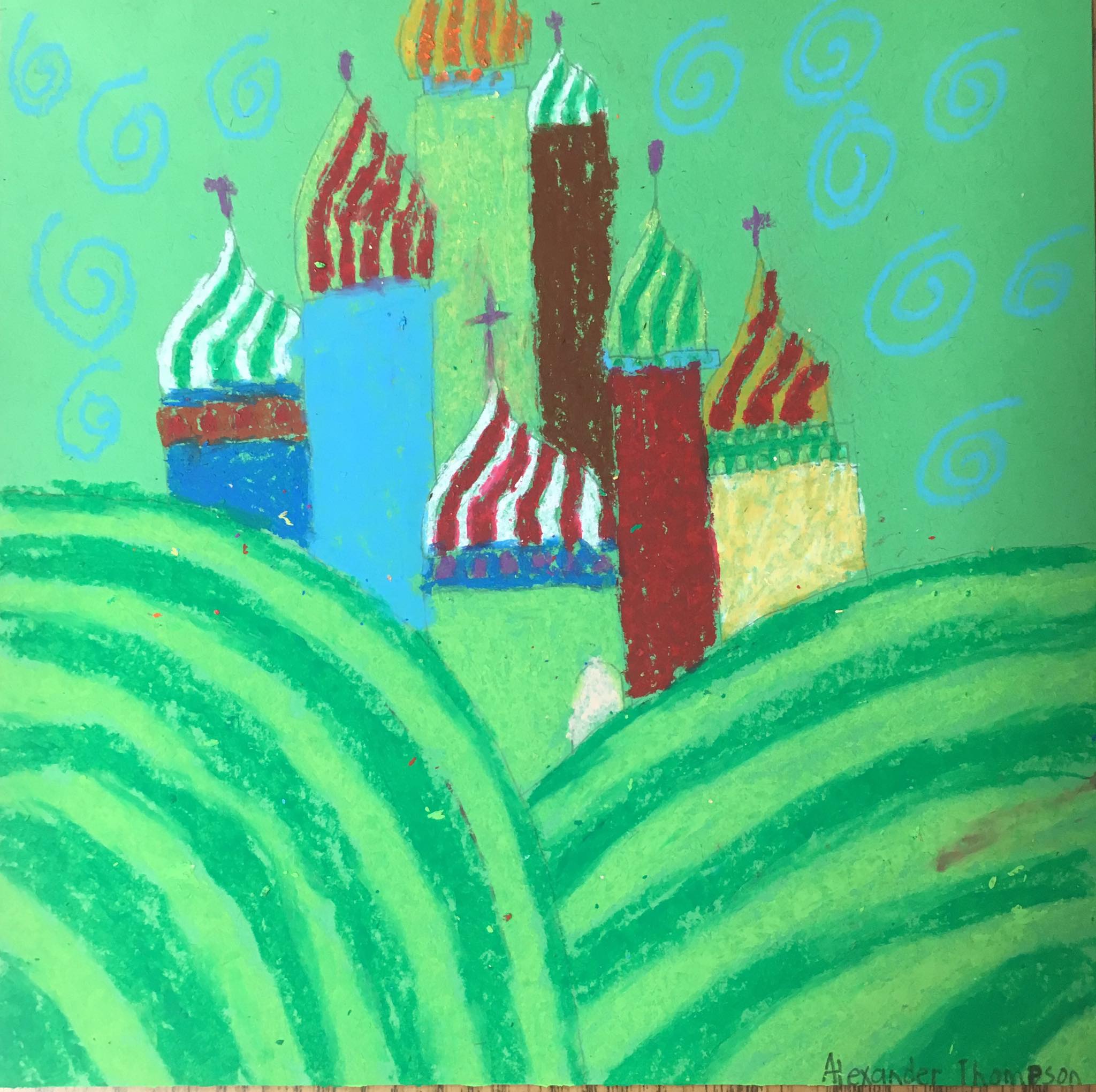
In class, this fantasy approach becomes the hands-on Meet the Masters activity, where students apply oil pastels to create their own enchanting village, using layering, patterns, and colors just like Chagall did in his paintings. Students start by sketching roofs and rounded shapes, then add their own flying figures, adding their own story to the village. Meanwhile, students learn about lines, colors, patterns, and along with terms like balance, composition, contrast, and movement, and see the link between these concepts and artwork in art history.
FAQ
Which Marc Chagall paintings for kids are a good starting point?
His village scenes — glowing with color and full of floating, dreamlike figures.
What does a Marc Chagall art for kids project usually involve?
Building a colorful village scene with oil pastels, focused on pattern and layered color.
What art concepts does the lesson teach?
Line, color, and pattern, along with vocabulary like balance, composition, and movement.