gray-white background

Katsushika Hokusai Art Lessons

Art Projects and Curriculum

Explore Hokusai's iconic masterpiece, 'The Great Wave off Kanagawa,' through engaging art lessons. Dive into the timeless artistry of Katsushika Hokusai with our captivating lessons for K-6 & K-8 grades. Our lesson plans offer a deep dive into Hokusai's techniques, inspiring students to create their own interpretations of this renowned artwork while gaining insight into the rich legacy of Japanese art work.

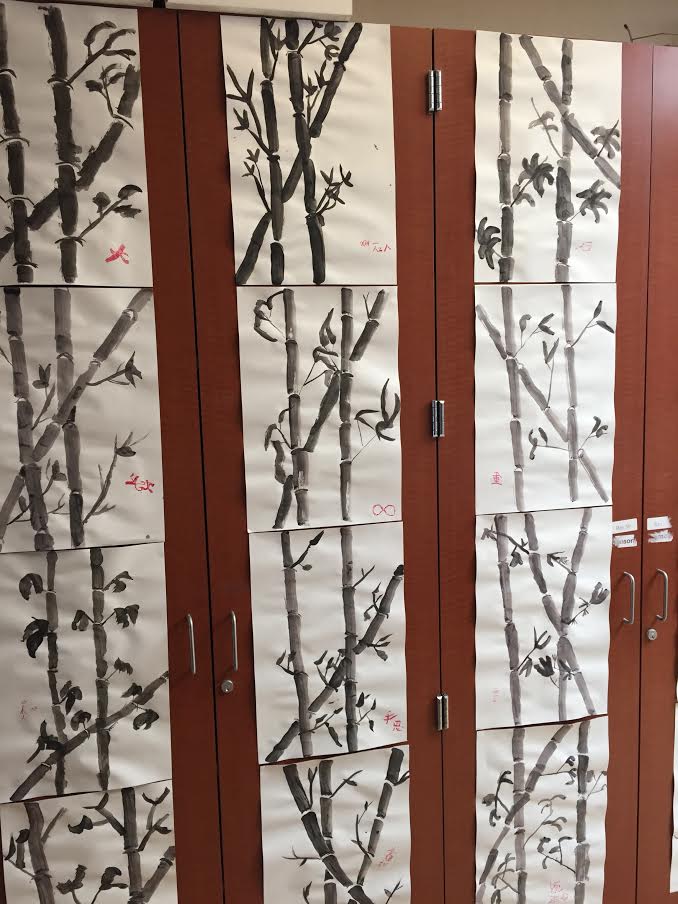
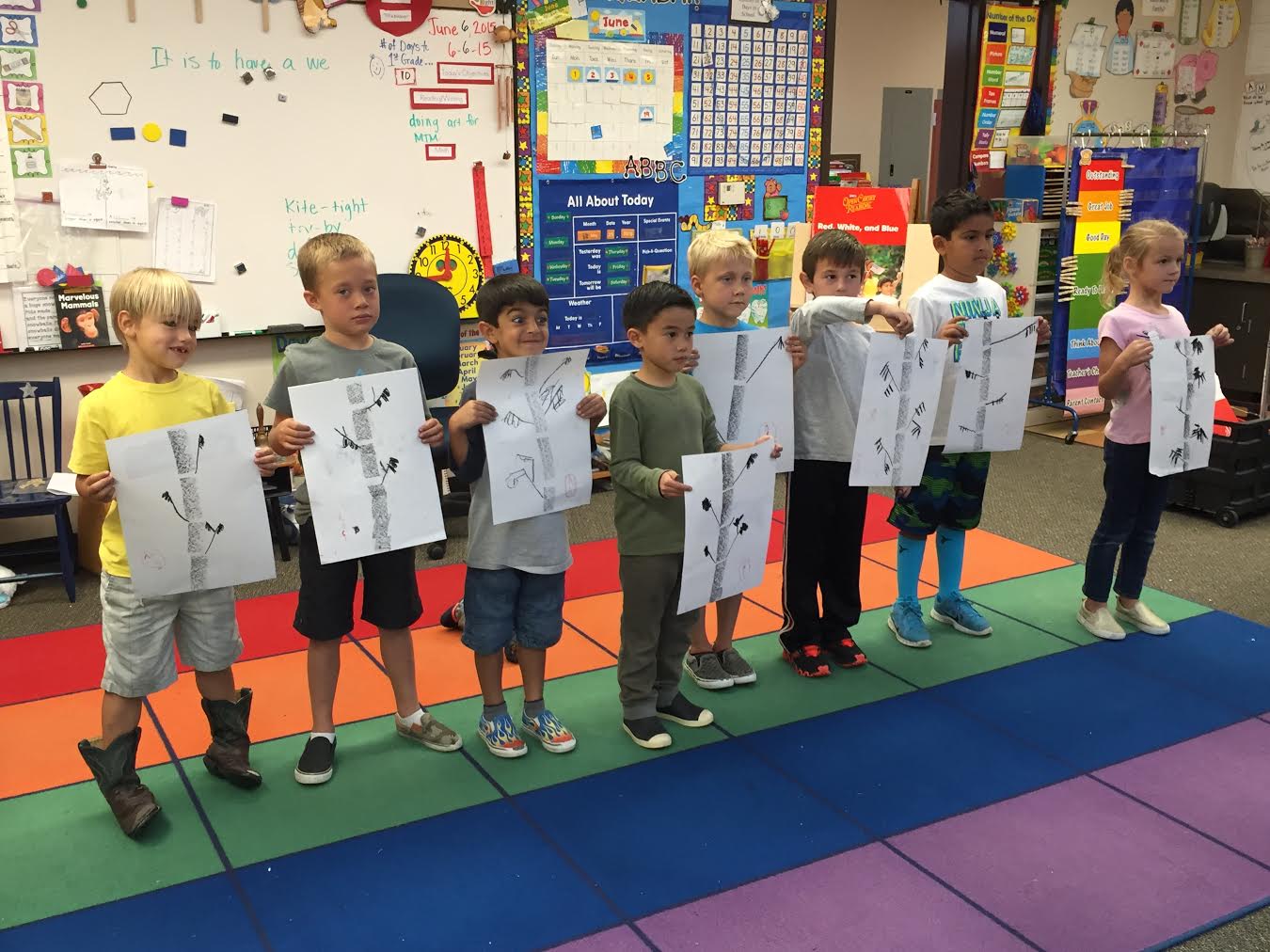
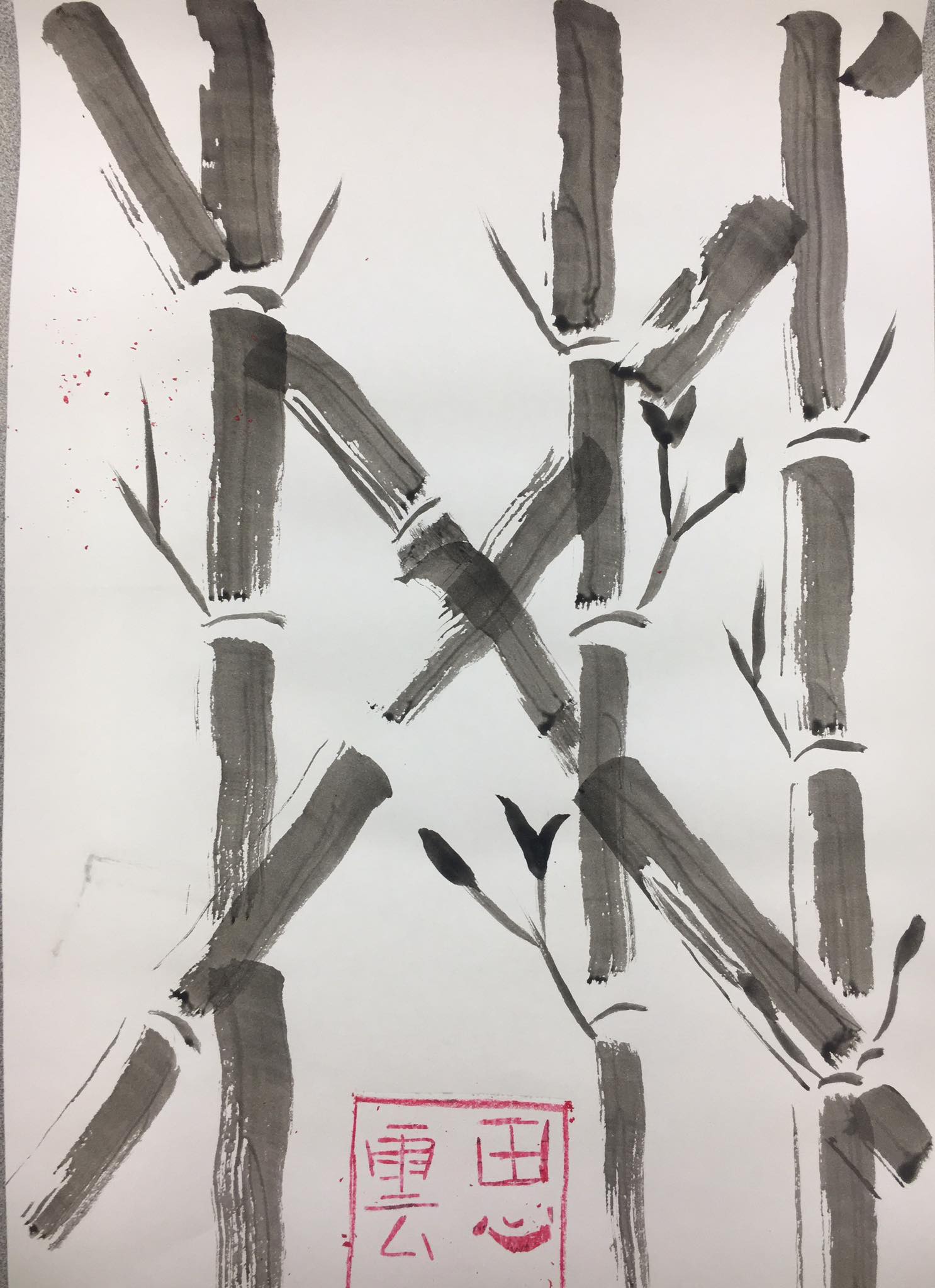
Student Artwork Showcase

Style

Realism

Media

Ink, Water Color

Heritage

Japanese

Gender

Male

About Katsushika Hokusai (1760-1849)

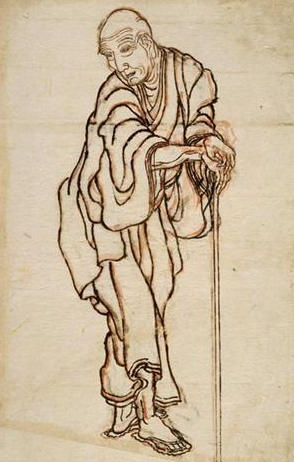
Katsushika Hokusai was a Japanese ukiyo-e artist and printmaker. Born in 1760, he is best known for his series of woodblock print designs known as "Thirty-Six Views of Mount Fuji," which includes the famous print, "The Great Wave off Kanagawa." Hokusai was a prolific artist and produced thousands of works over the course of his lifetime, including portraits, landscapes, and erotica. He was also a master of several printmaking techniques and his works are celebrated for their technical mastery, as well as their imaginative and captivating subject matter.

Hokusai's works had a significant impact on the development of both Japanese and Western art, and he remains one of the most famous and beloved artists of his time. Today, his works can be found in major museums around the world and continue to be celebrated for their incredible beauty and innovative quality.

Katsushika Hokusai Art Lesson & Art Activity Projects for Elementary Students

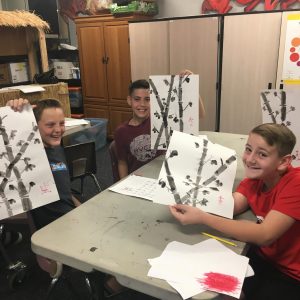
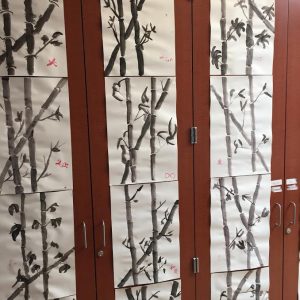
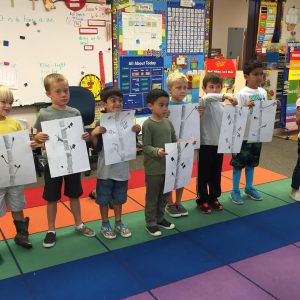
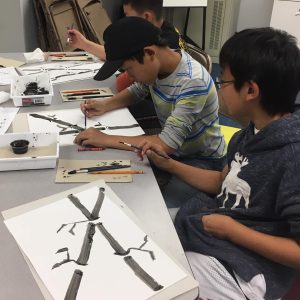
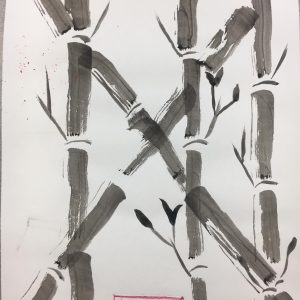
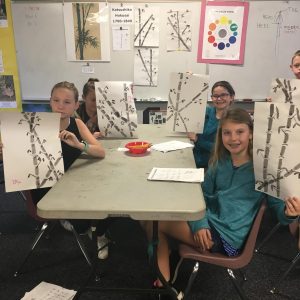
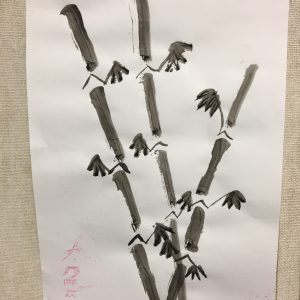
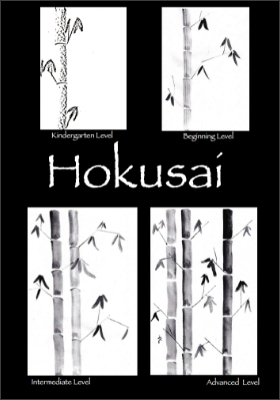
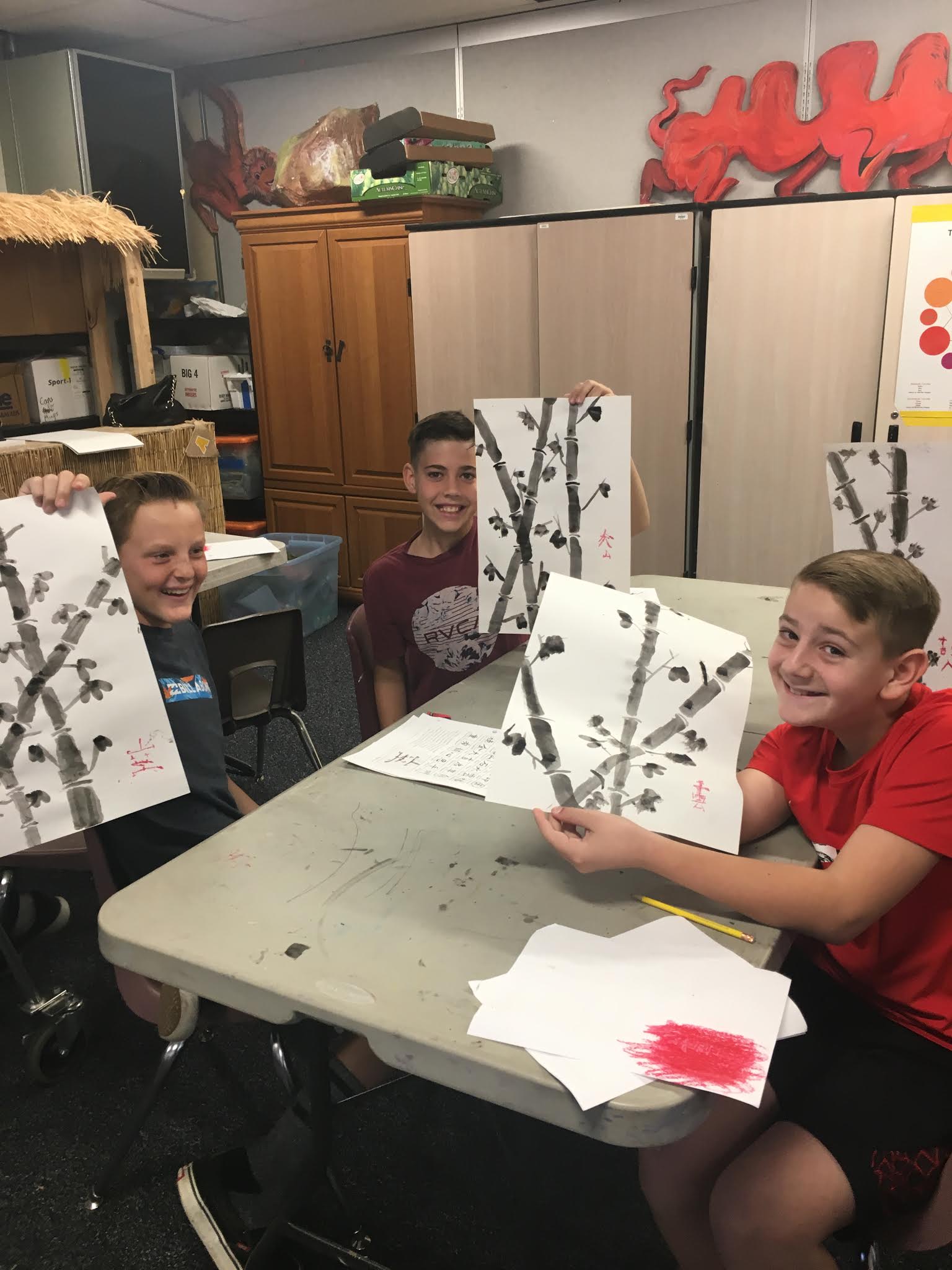
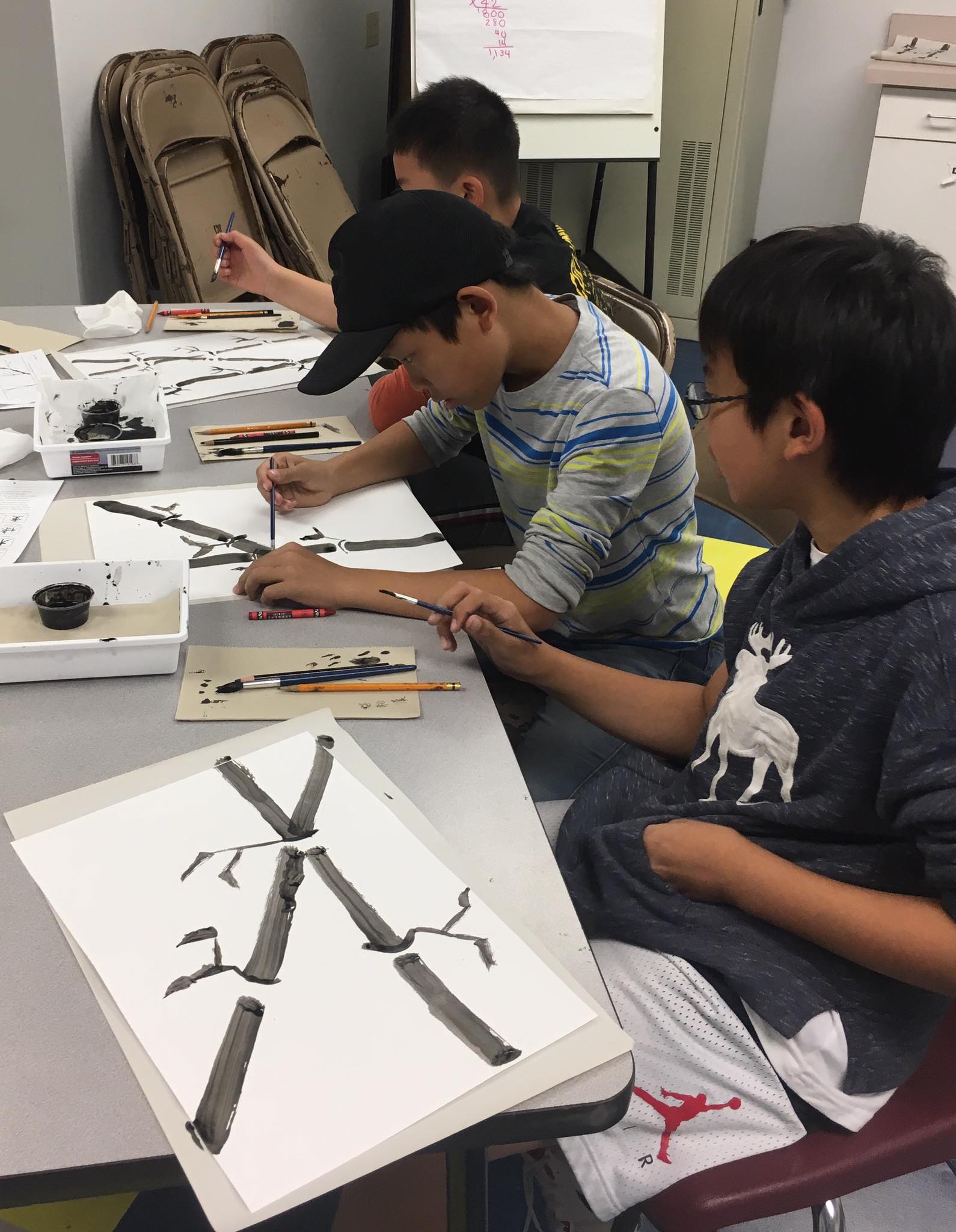
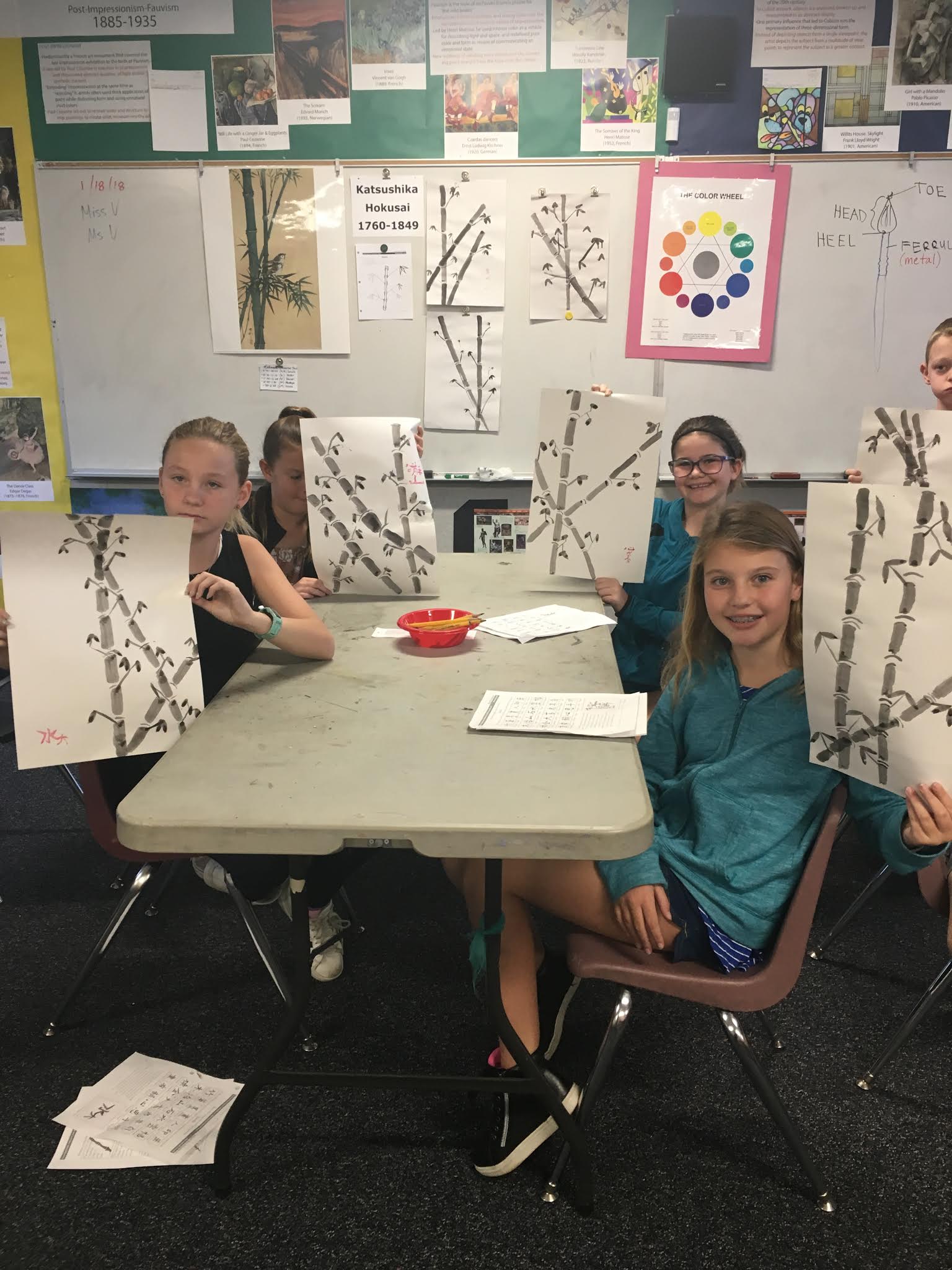
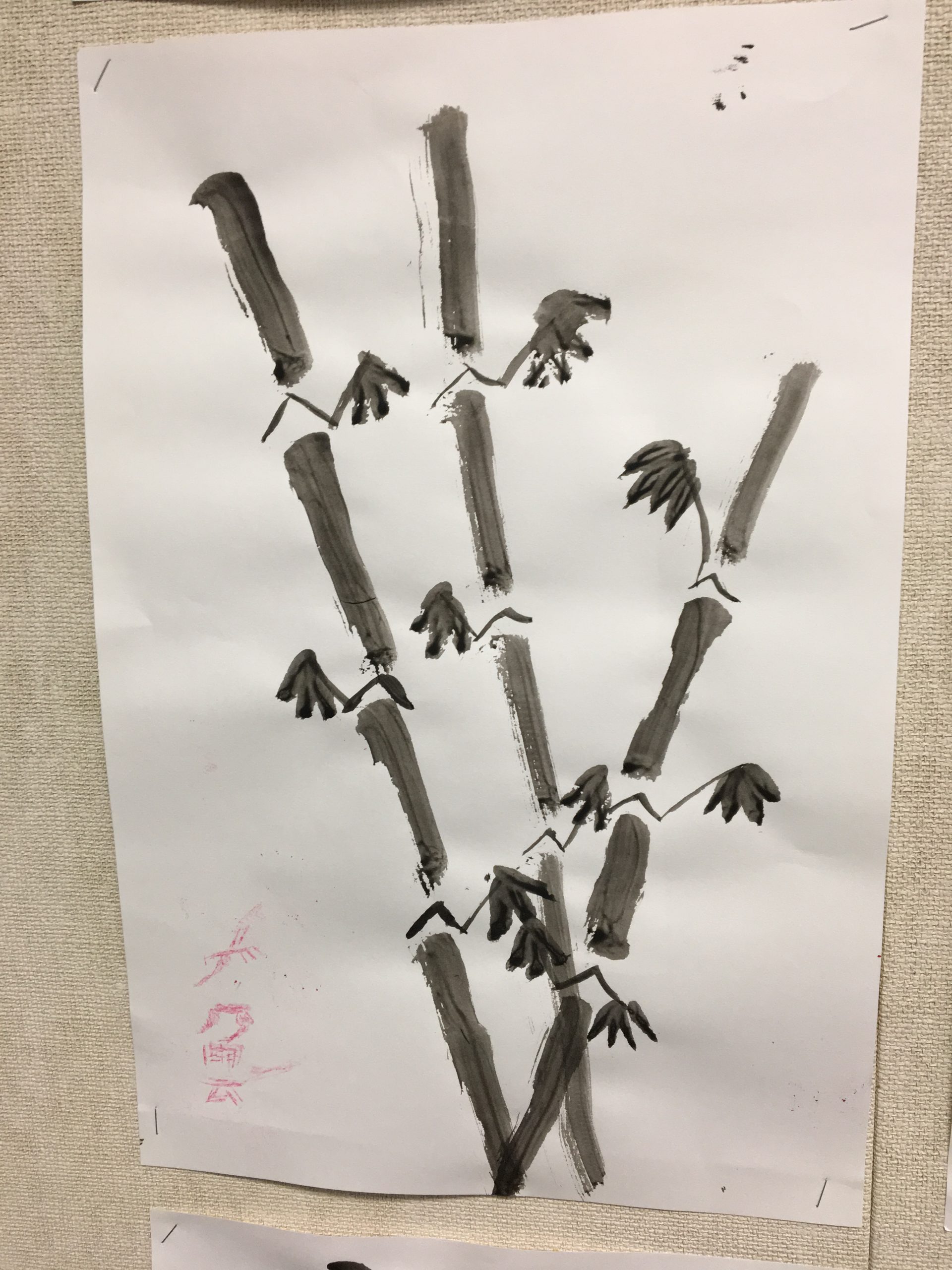
Students learn about the life and background of Katsushika Hokusai. They learn about the importance of Asian art and investigate Hokusai’s beautiful landscapes and the famous “Great Wave.” Students then explore Hokusai by painting a bamboo composition on white paper with black tempera ink. Be sure to click through the student masterpieces at the top of this page.

Hokusai Artist Art lessons

View the Artist Trailer

Art Elements Taught

Line, Composition

Art Activity Emphasis

Bamboo Branches, Value

Vocabulary Learned

calligraphy, contrast, detail landscape, negative, stamp

Student Art Supplies

Watercolor Brushes, Watercolor
gray-white background

How the Art Program Works:

1. Assembly

Introducing the Masters—Multi-Purpose Room or Classroom (20-45 minutes)

2. Student Worksheets

Learning from the Masters—Classroom (15-30 minutes)

3. Student Art Projects

Working with the Masters—Classroom (50-60 minutes)

Real Reviews from Real Teachers & Parents

See Why Everyone Loves Meet The Masters

I tell my students each week they are getting more art history this year than many students get in university. I love hearing them learn and use words like post Impressionism, realism and complimentary color palette in conversation.

So far, the Georges Seurat pointillism project using sand paper has been the most popular!

Christine Gibson
Teacher, Thrive Communities, FL
gray-white background

More Artists on the Same Track

Buy a track of 7 artists and teach all year long.

All tracks include:

  • Implementation guide to manage scheduling, volunteers & communication
  • Multi-level, age-appropriate curriculum for all seven artists in this track
  • Engaging PowerPoint visuals that include vocabulary, art concepts & music
  • Timed, illustrated & scripted lessons perfect for teachers or volunteers
  • Hands-on technique worksheets, art project details, art prints, games & props

*Art supplies and teacher/volunteer training DVDs can be added to your order.

A single curling wave, frozen mid-crash over three tiny fishing boats — few images in art history are as recognizable as this one. It comes from Katsushika Hokusai, a Japanese printmaker whose Katsushika Hokusai Art style grew out of the ukiyo-e tradition, built on flowing line and a deep attachment to Mount Fuji. His Katsushika Hokusai Art work spans thousands of prints made over a long, prolific career.

Katsushika Hokusai for Kids: Painting Bamboo in Ink

Instead of immediately moving on to waves, the class starts with something a little more nuanced, like bamboo. Students paint a picture of bamboo using watercolors and brushes to develop their sense of line and negative space in the style of Japanese artwork. It is surely a simple enough subject for Meet the Masters to illustrate the elements of contrast, detail, and composition.

FAQ

What is Hokusai best known for?

His artwork “The Great Wave off Kanagawa” from the series “Views of Mt. Fuji.”

Why should the project be about bamboo rather than the wave?

It’s a simpler subject that lets students focus on line and composition first.

What supplies does the lesson use?

Watercolor and brushes, used to paint a bamboo composition.

WP Twitter Auto Publish Powered By : XYZScripts.com