gray-white background

Grant Wood Art Lessons

Art Projects and Curriculum

Explore the picturesque landscapes of Grant Wood with our captivating art lesson plans designed for elementary and kindergarten students. Delve into Wood's iconic rural scenes and discover the beauty of American life through his detailed brushwork and serene compositions. Our engaging lesson plans inspire young artists to create their own landscape masterpieces, fostering a love for nature and artistry from an early age.

Student Artwork Showcase

Style

Realism

Media

Oil

Heritage

American

Gender

Male

About Grant Wood (1891-1942)

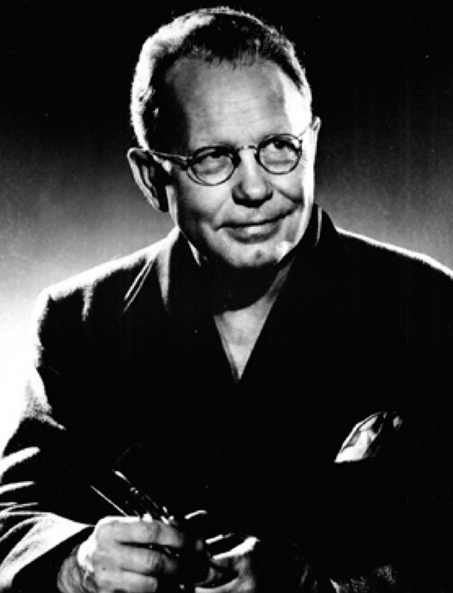
Grant Wood was an American painter, best known for his Regionalist style. Born in 1891, he was a key figure in the American Arts and Crafts movement and a major influence on American art of the 20th century. Wood was inspired by the rural landscapes and people of the Midwest, and his works often depict the simple, rustic life of farmers and small-town residents.

He is famous for his iconic images of American Gothic, which features a farmer and his daughter in front of a gothic-style house. Wood's works are known for their flat, two-dimensional forms, and their use of bold lines and bright colors to create an idealized vision of rural America. Today, Wood's works are widely celebrated for their cultural significance and their portrayal of the American heartland.

Grant Wood Art Lesson, Activity & Projects for Elementary

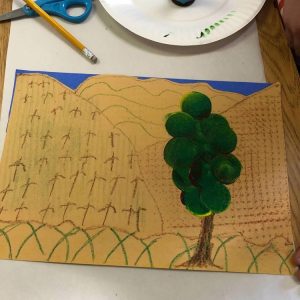
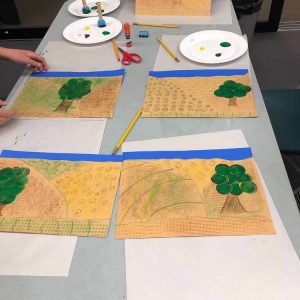
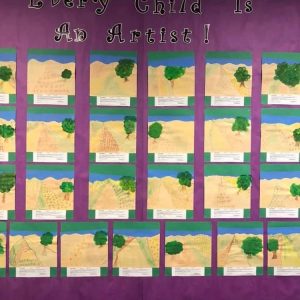
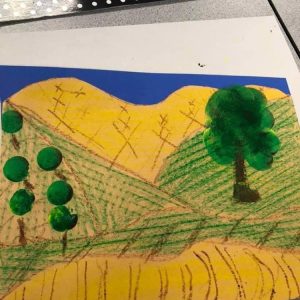
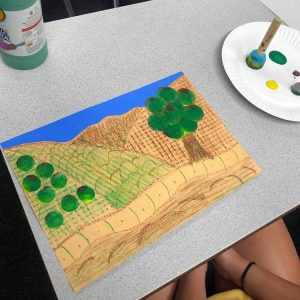
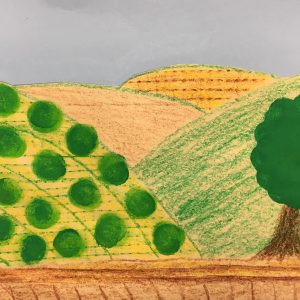
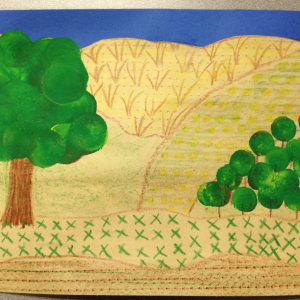
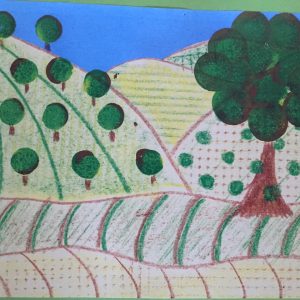
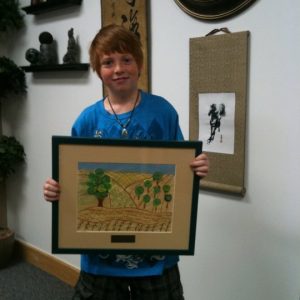
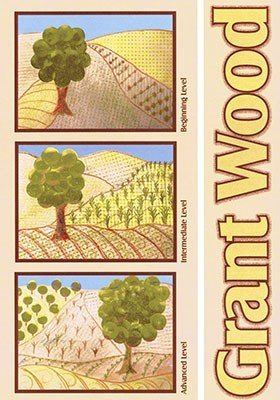
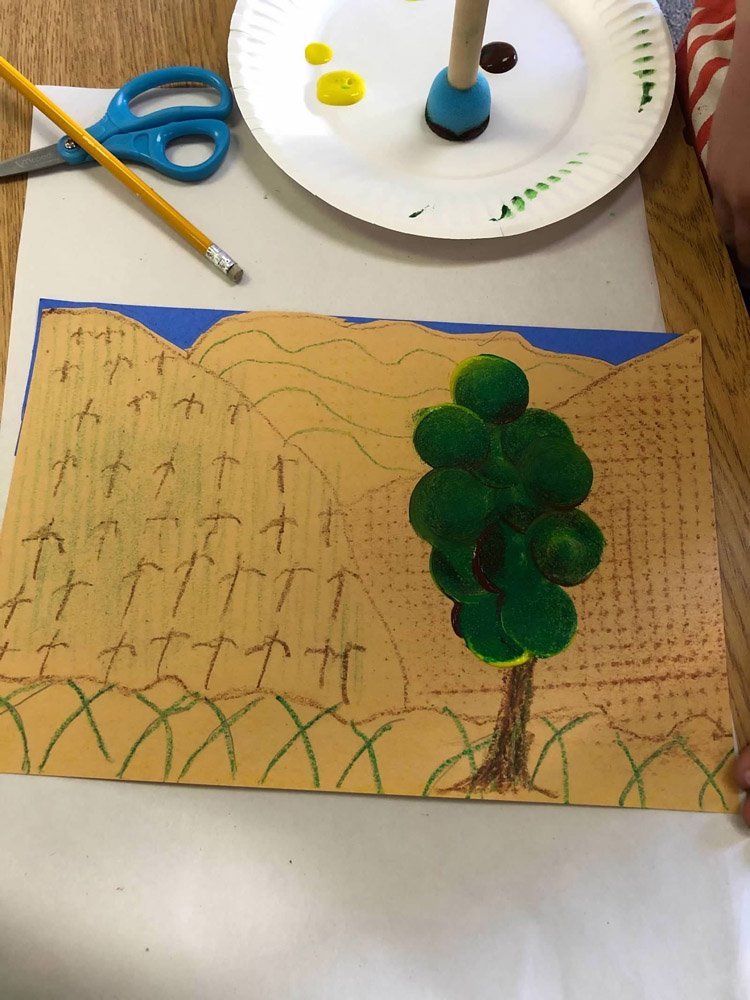
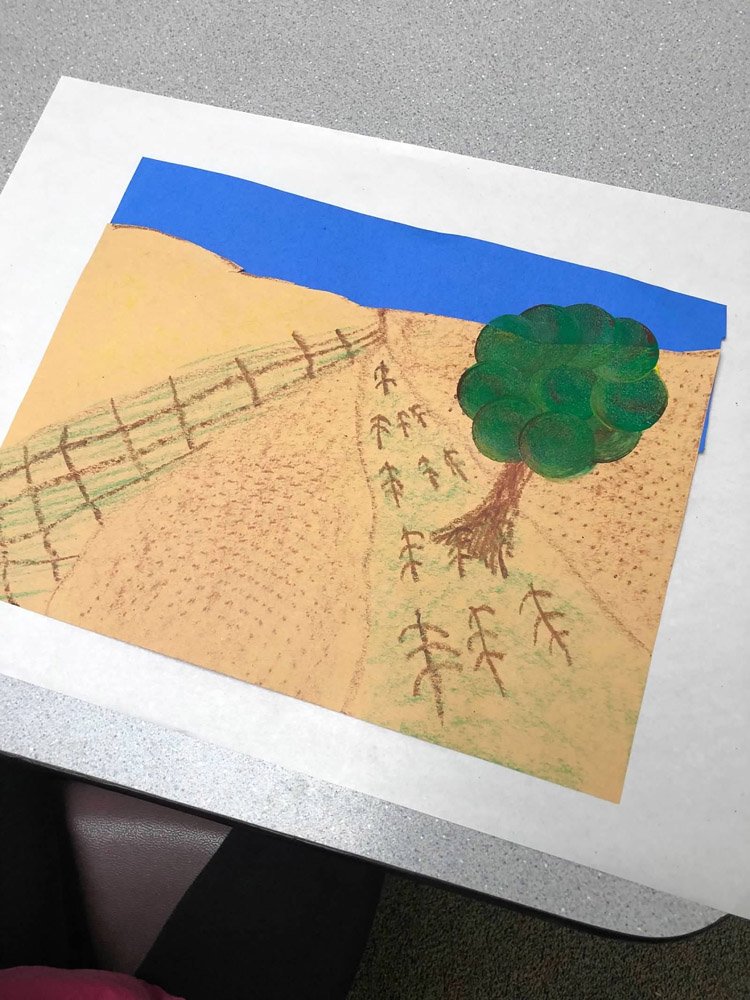
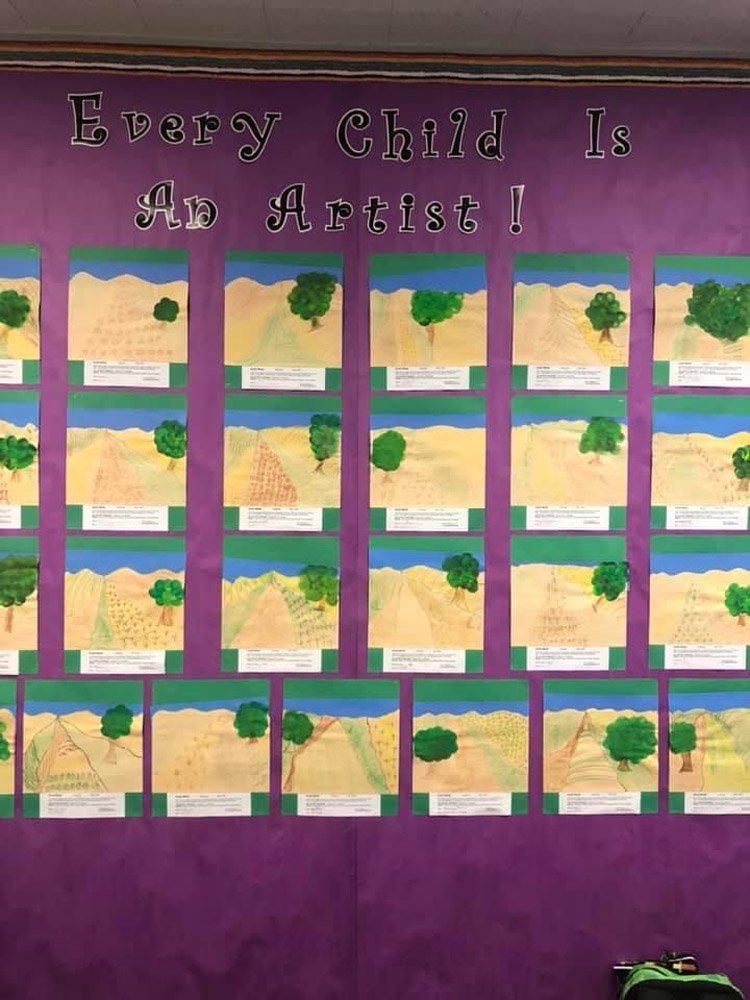
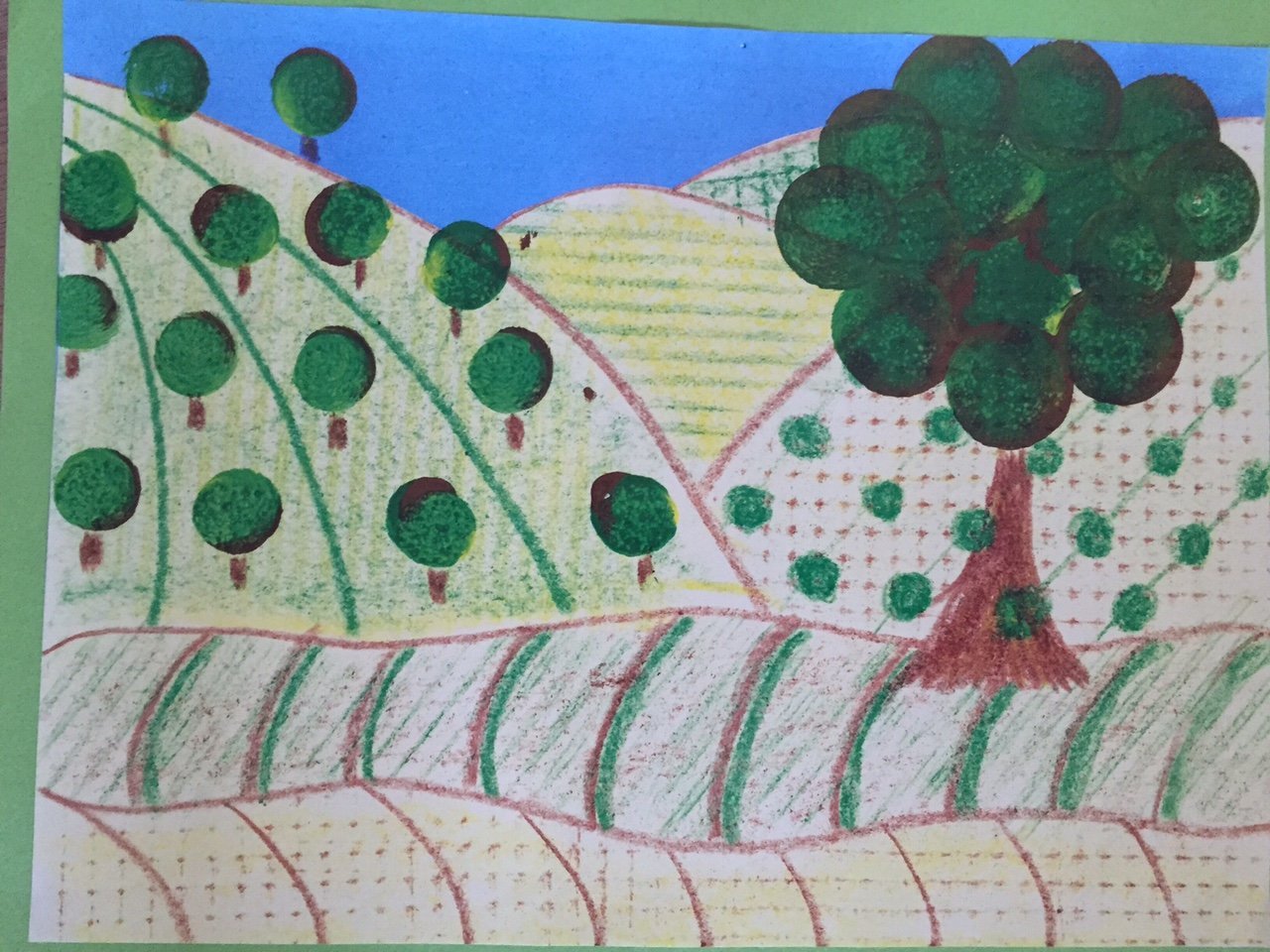
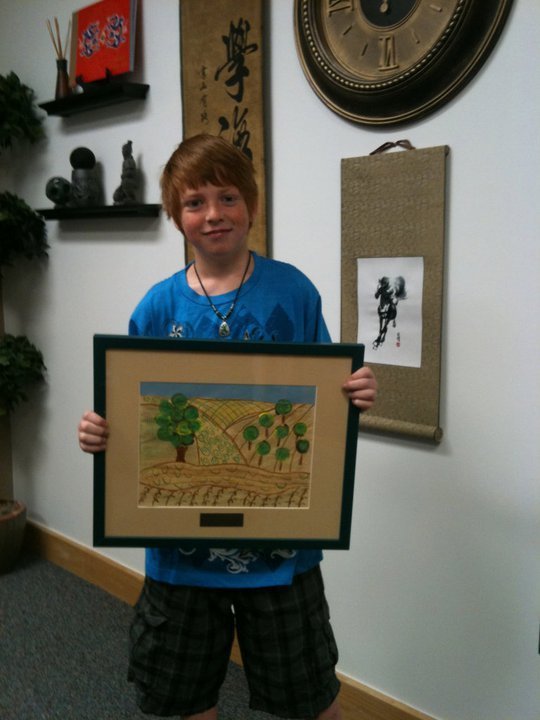
Students will learn about the distinctive portraits and landscapes of Regionalist Grant Wood. His local landscapes will inspire young artists to create their own farm landscapes with textures and patterns using fun materials in a new way.  Be sure to click through the student masterpieces at the top of this page.

Art Lessons for Grant Wood

View the Artist Trailer

Art Elements Taught

Color

Art Activity Emphasis

Agricultural Patterns and Texturing

Vocabulary Learned

landscape, parallel, pattern, perspective, portrait, texture

Student Art Supplies

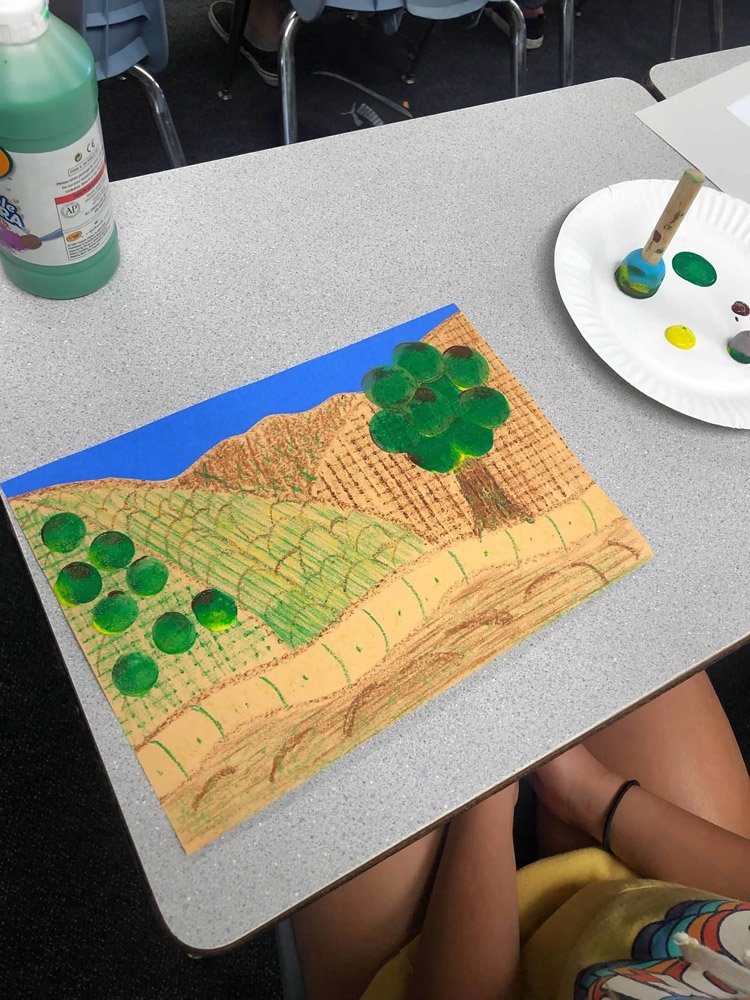
Crayons, Texture Sheets, Foam Brushes, Tempera Paint
gray-white background

How the Art Program Works:

1. Assembly

Introducing the Masters—Multi-Purpose Room or Classroom (20-45 minutes)

2. Student Worksheets

Learning from the Masters—Classroom (15-30 minutes)

3. Student Art Projects

Working with the Masters—Classroom (50-60 minutes)

Real Reviews from Real Teachers & Parents

See Why Everyone Loves Meet The Masters

I’ve never seen a program that provides this integration, and goes beyond the silly, little holiday crafts.


Karen Romito
Lakewood Elementary, Assistant Principal, Sunnyvale CA
gray-white background

More Artists on the Same Track

Buy a track of 7 artists and teach all year long.

All tracks include:

  • Implementation guide to manage scheduling, volunteers & communication
  • Multi-level, age-appropriate curriculum for all seven artists in this track
  • Engaging PowerPoint visuals that include vocabulary, art concepts & music
  • Timed, illustrated & scripted lessons perfect for teachers or volunteers
  • Hands-on technique worksheets, art project details, art prints, games & props

*Art supplies and teacher/volunteer training DVDs can be added to your order.

Try feeling the surface of a plowed field, a wooden fence, or some grass; each will have its unique feel. The kind of texture you find in day-to-day life is exactly what students discover in this class activity before even using any paint.

Grant Wood for Kids: Building a Textured Farm Scene

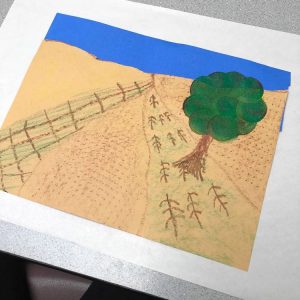
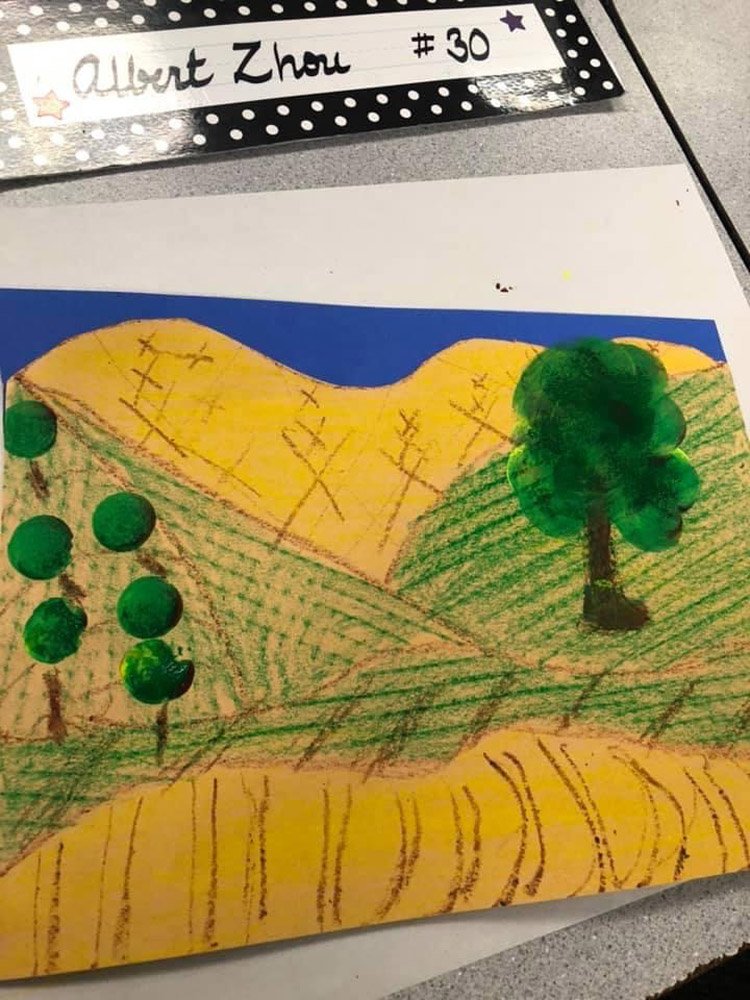
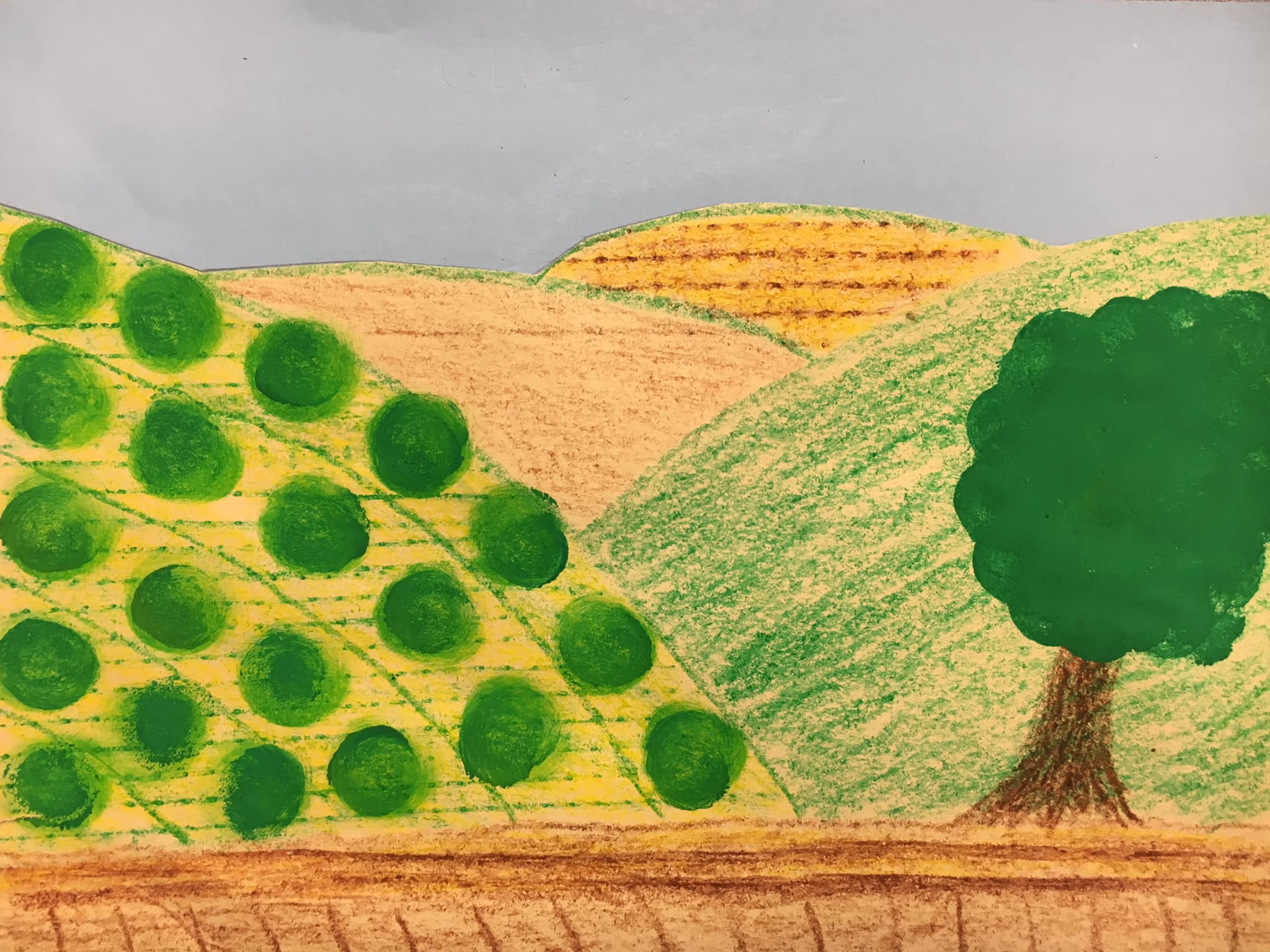
Meet the Masters has students press texture sheets under crayon, then layer in foam brush and tempera paint to build their own farm landscape, focused on pattern and repetition rather than fine detail. Rolling hills, rows of crops, and fences all become opportunities to experiment with how texture changes the feel of a flat painted scene.

FAQ

What materials make this project stand out from a typical painting lesson?

Texture sheets and foam brushes, used alongside crayon and tempera paint.

What does a Grant Wood art project for kids typically focus on?

Farm landscapes built around pattern and texture rather than realistic detail.

What art concepts does the lesson teach?

Pattern, texture, and perspective, applied to a simple rural scene.

WP Twitter Auto Publish Powered By : XYZScripts.com