M.C. Escher Art Lessons
Art Projects and Curriculum

Explore Escher's innovative techniques and mind-bending illusions through our curated art lesson plans. From tessellations to optical illusions, students will dive into Escher's intricate artworks, unlocking their creativity and gaining a deeper understanding of this iconic artist's unique style.

Student Artwork Showcase

Style

Abstract

Media

Chalk, Ink, Oil, Water Color

Heritage

Dutch

Gender

Male

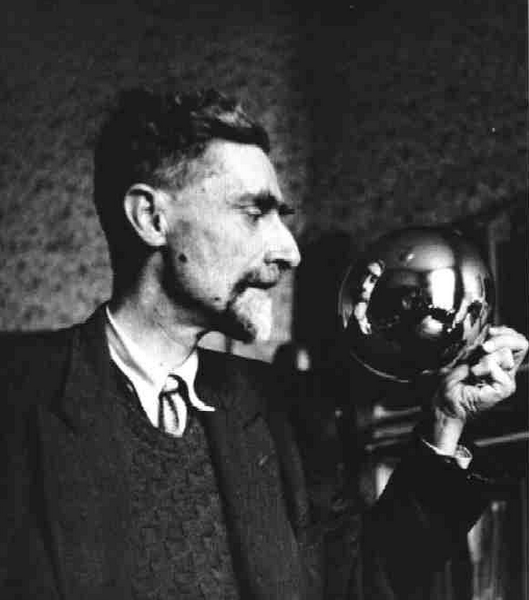
About M.C. Escher (1898-1972)

Maurits Cornelis Escher was a Dutch graphic artist known for his mathematically inspired, impossible constructions and tessellations. Born in 1898, Escher was fascinated by the concept of infinity and used his skills as a printmaker to create works that explored this idea in intricate and imaginative ways. His most famous works include "Relativity," "Ascending and Descending," and "Waterfall," which feature impossible architectural structures and impossible perspectives.

Escher's works are widely recognized for their technical mastery, their creative use of perspective, and their captivating illusions. He remains one of the most famous and beloved artists of the 20th century and his works continue to inspire new generations of artists and mathematicians alike. Today, Escher's works can be found in major museums around the world and continue to be celebrated for their innovative and imaginative quality.

M.C. Escher Art Lesson & Art Activity Projects for Elementary Students

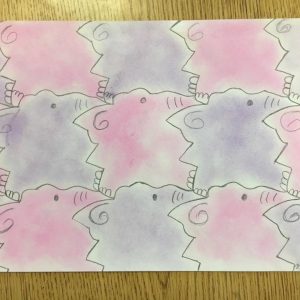
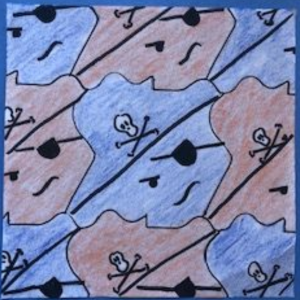
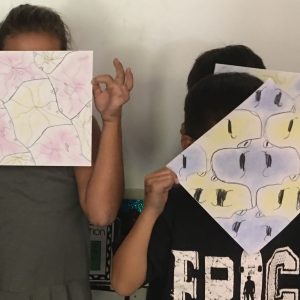
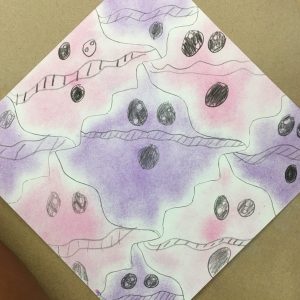
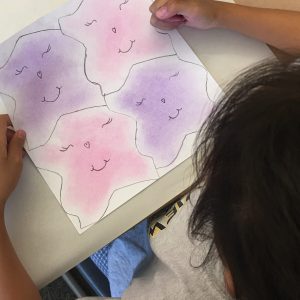
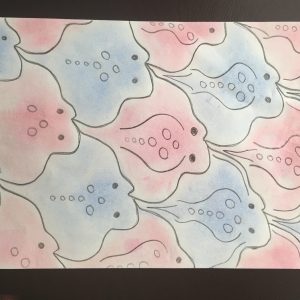
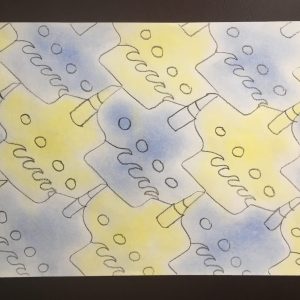
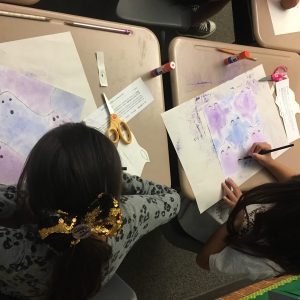
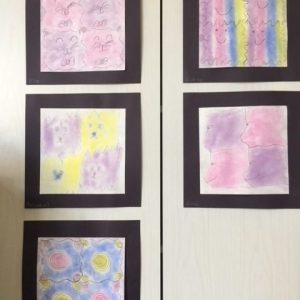
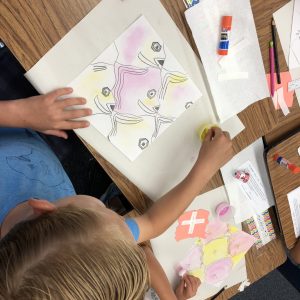
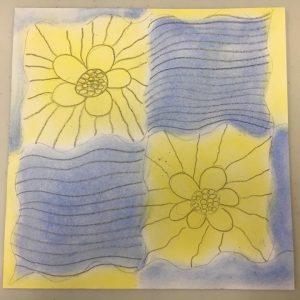
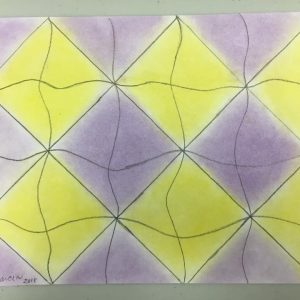
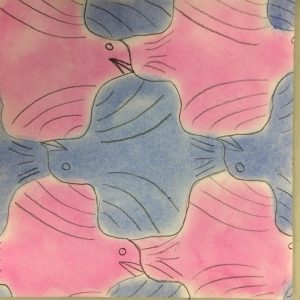
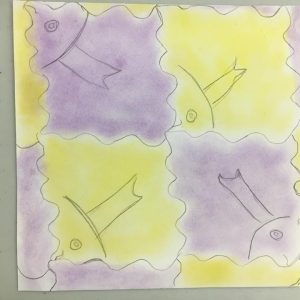
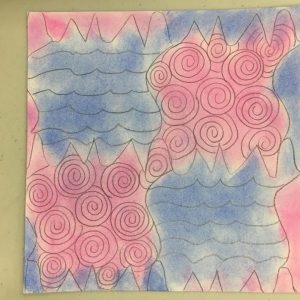
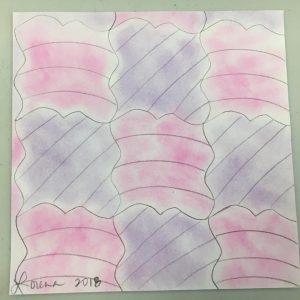
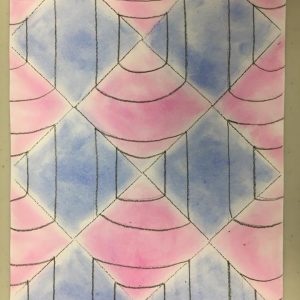
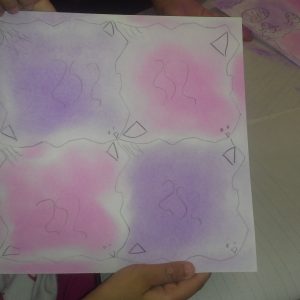
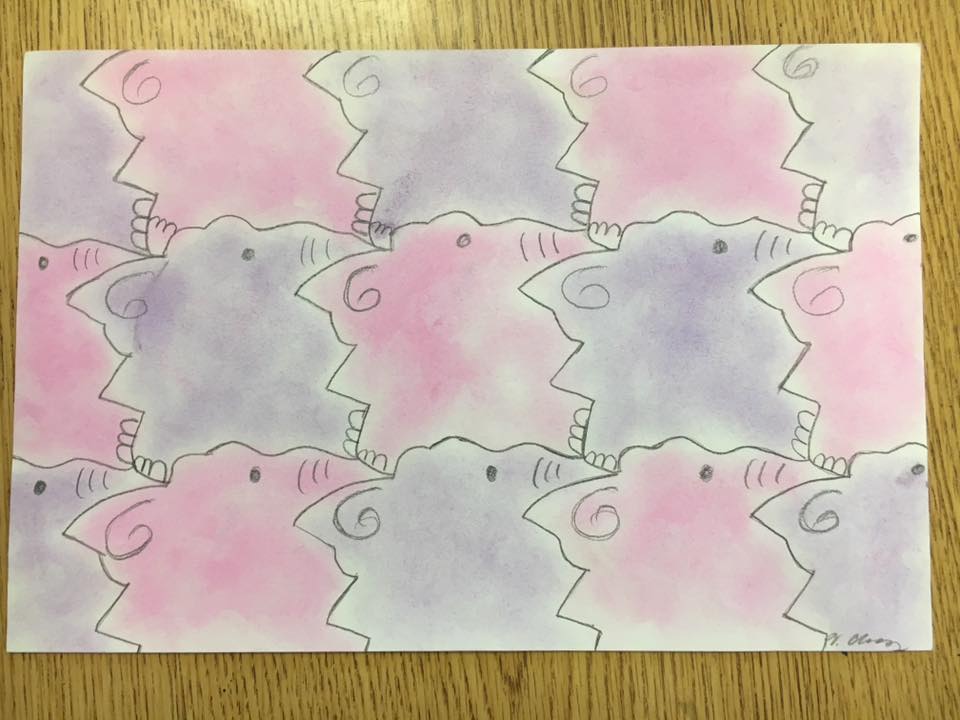
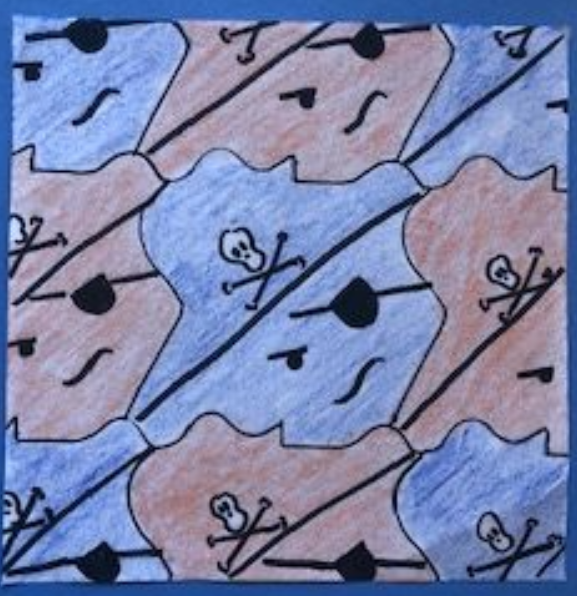
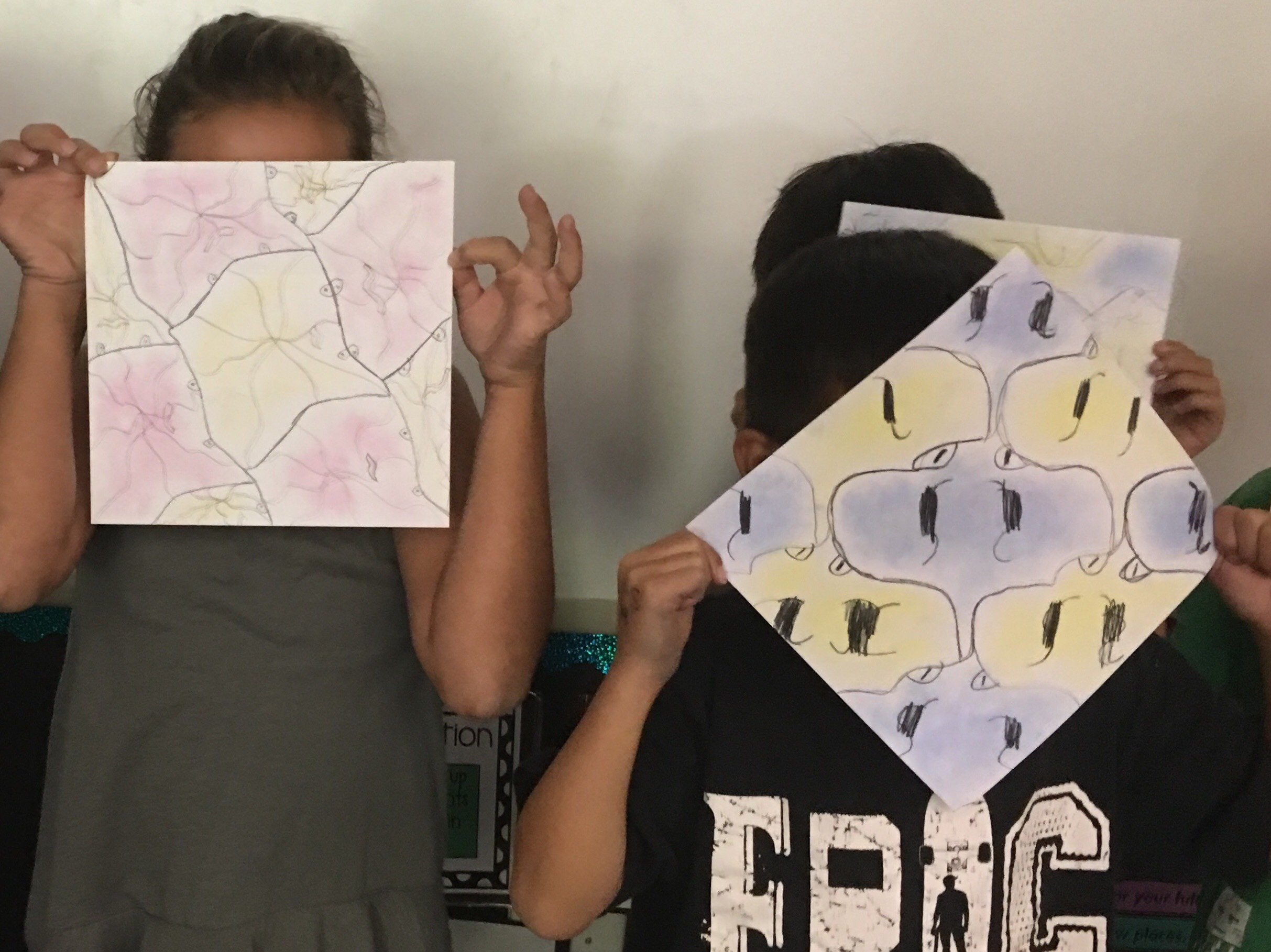
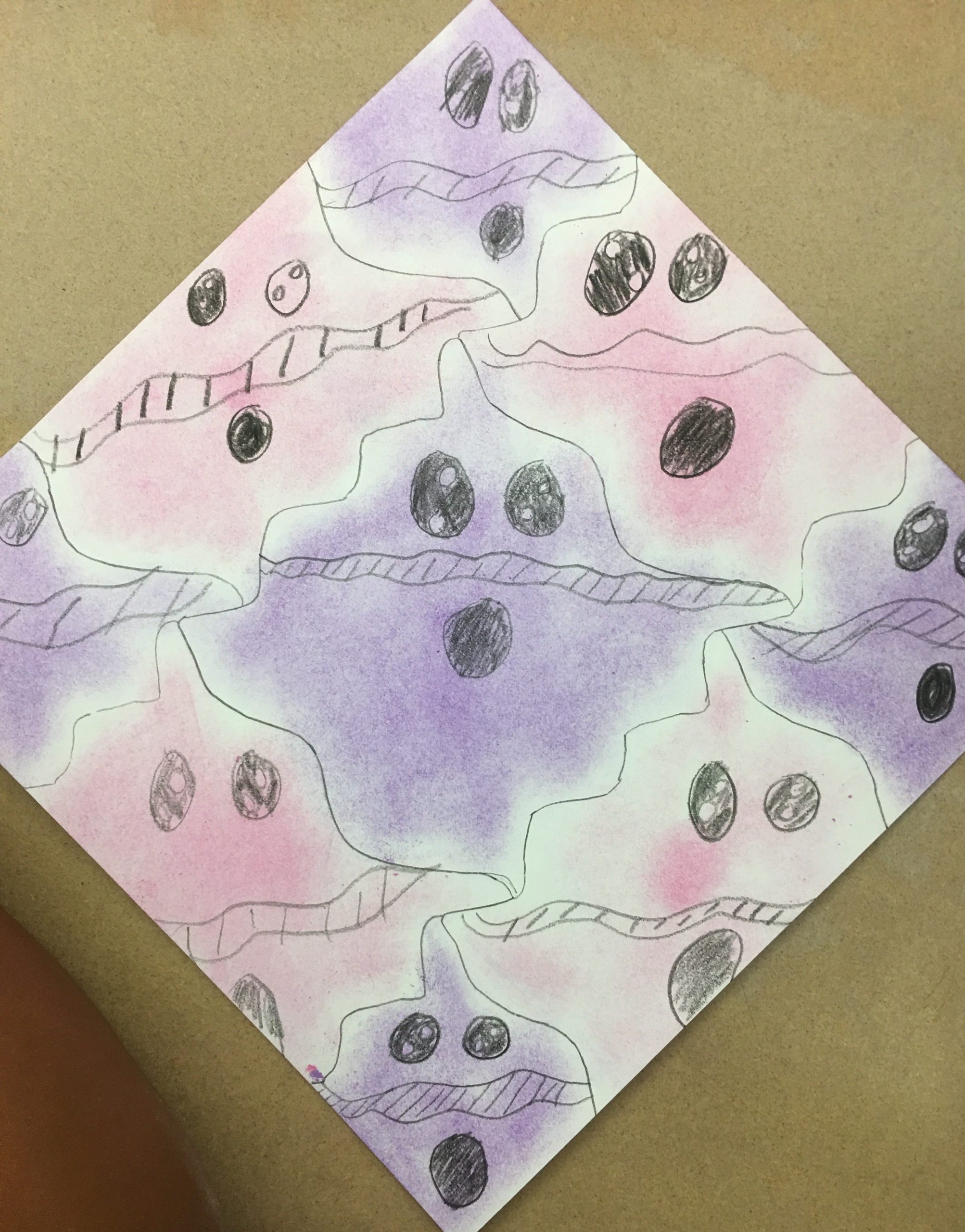
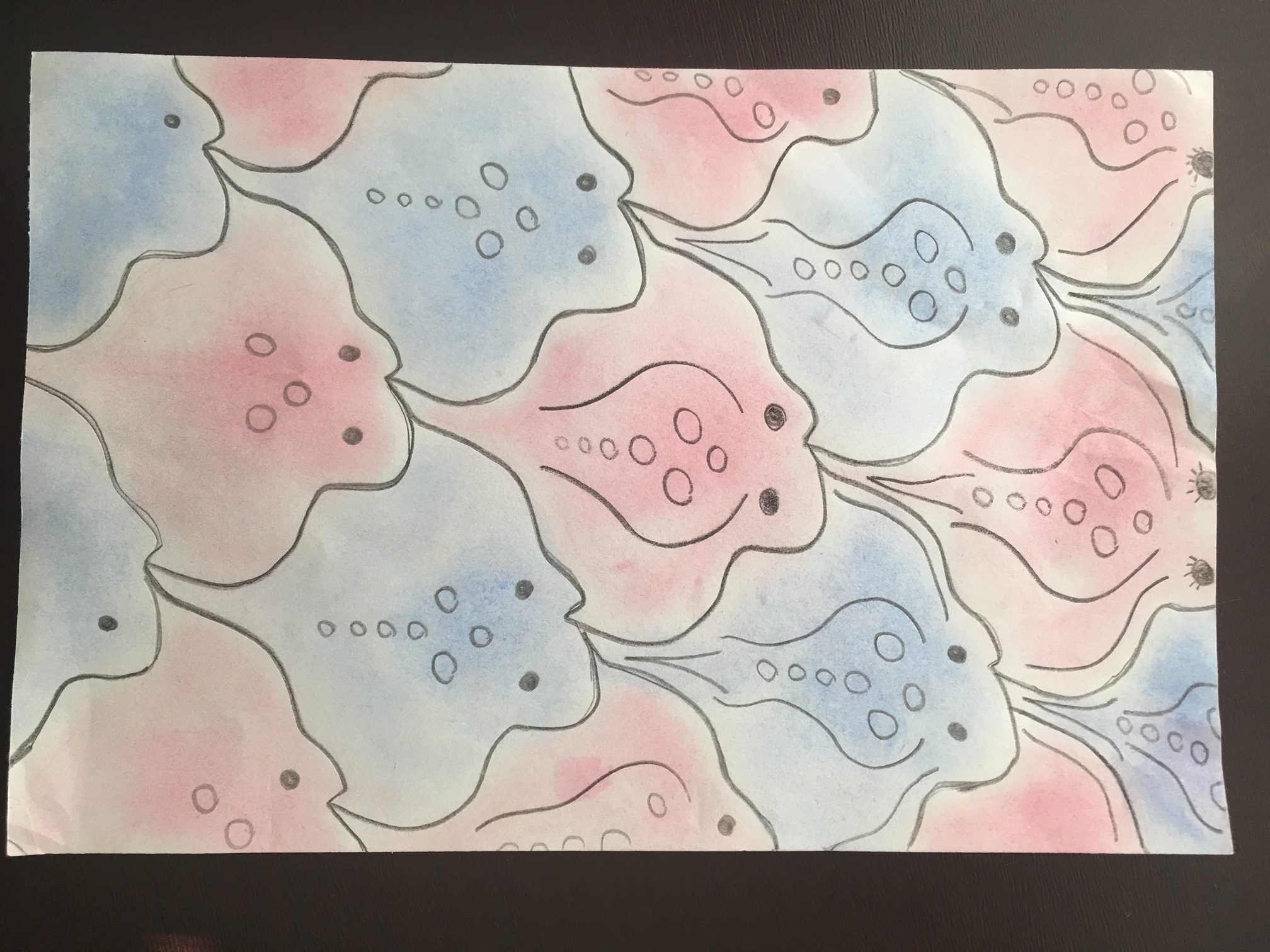
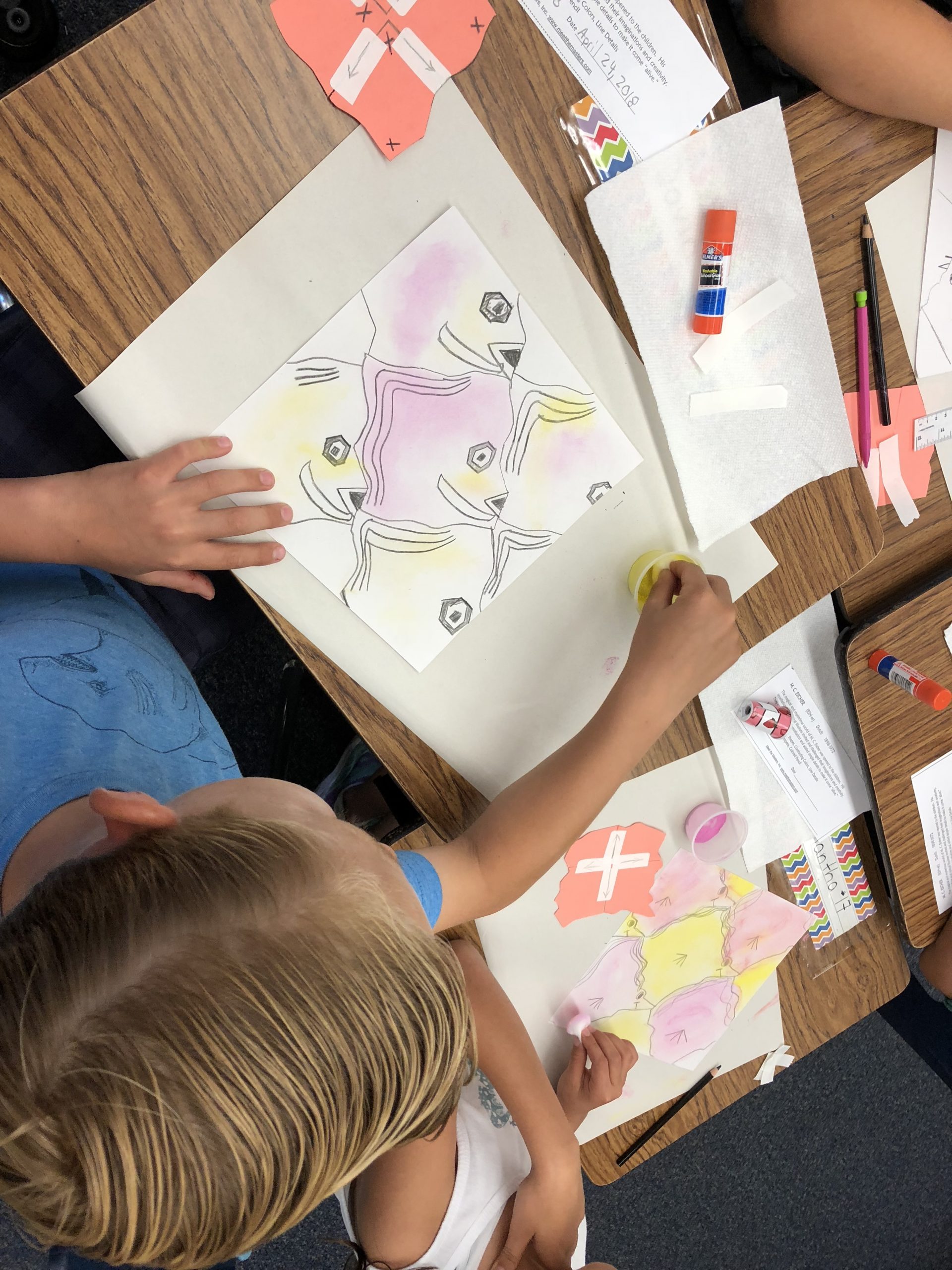
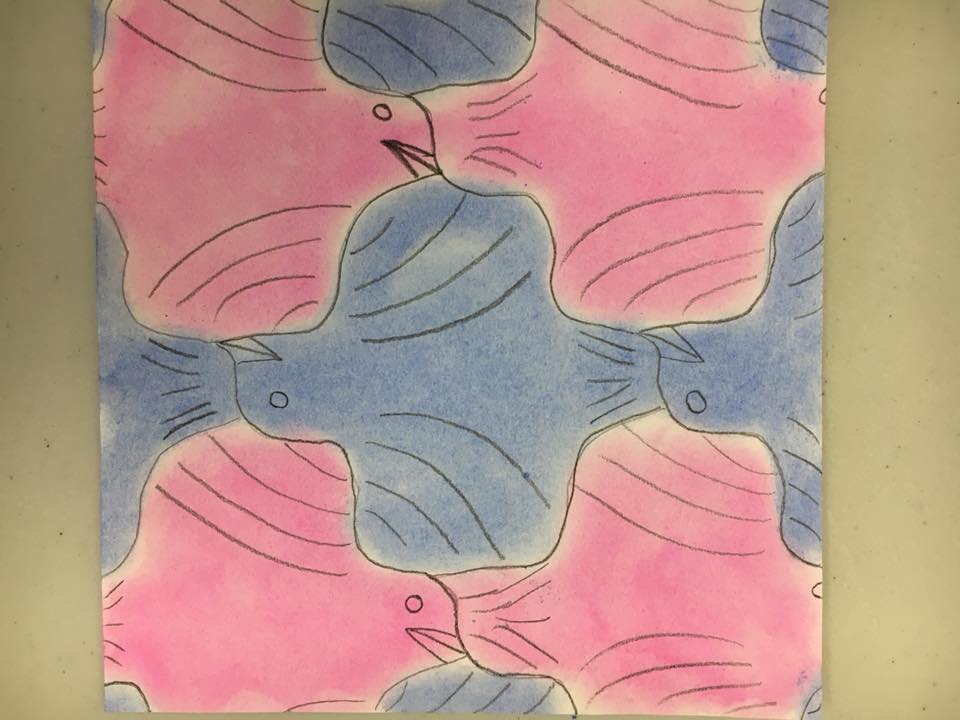
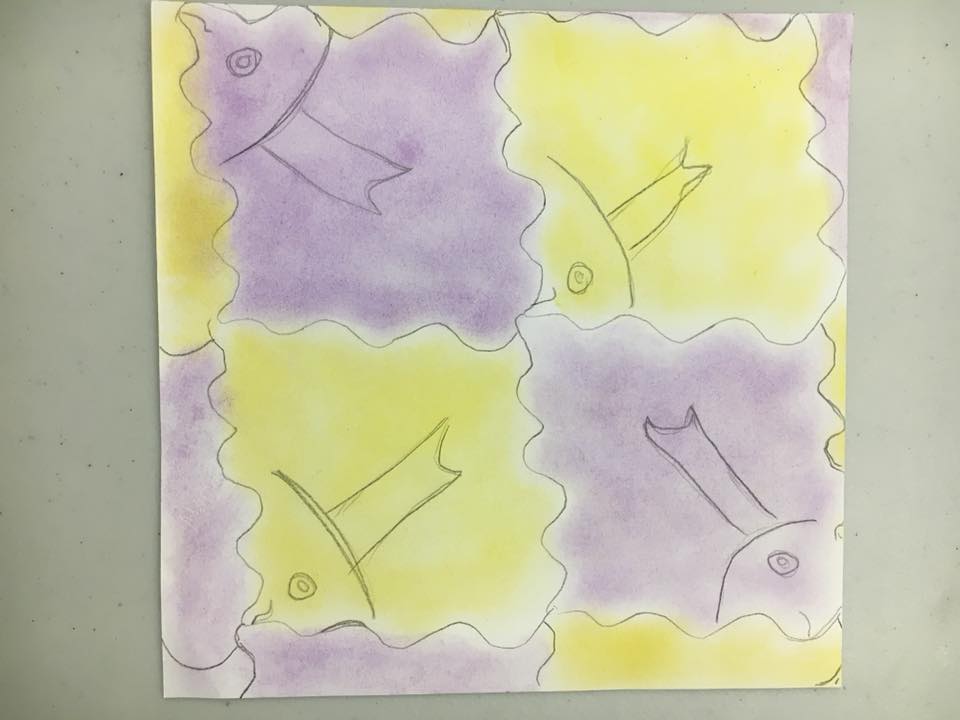
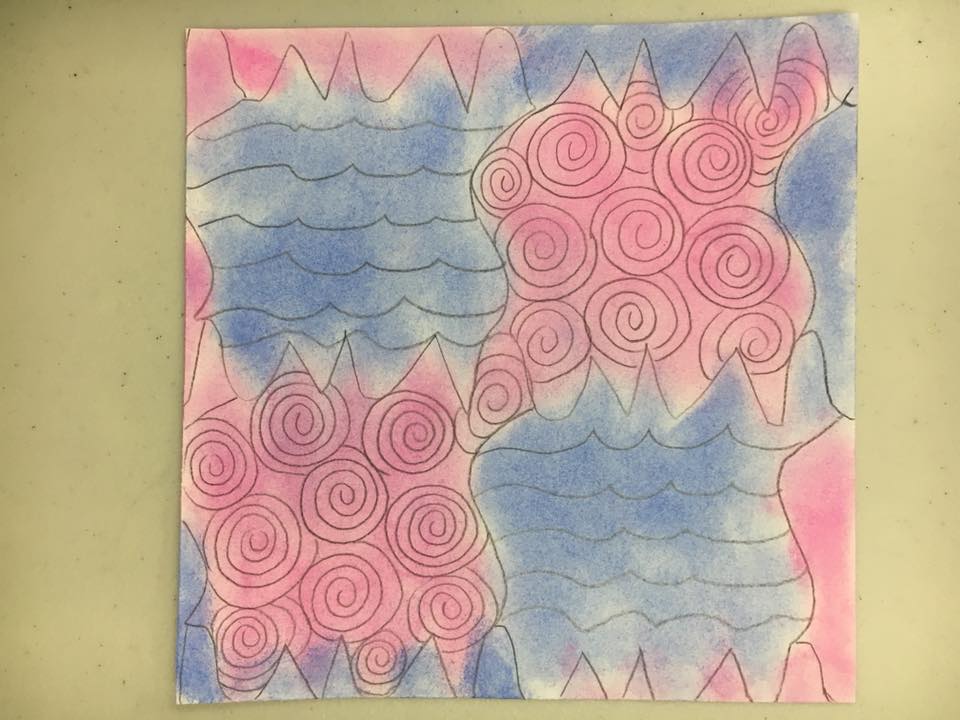
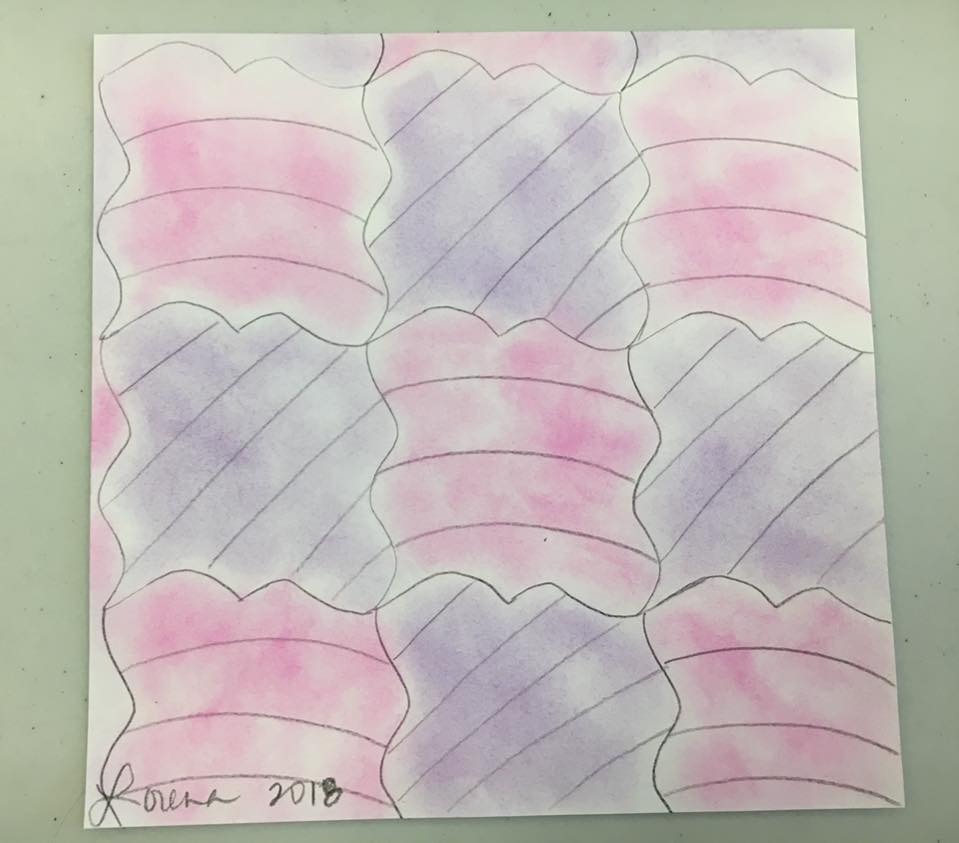
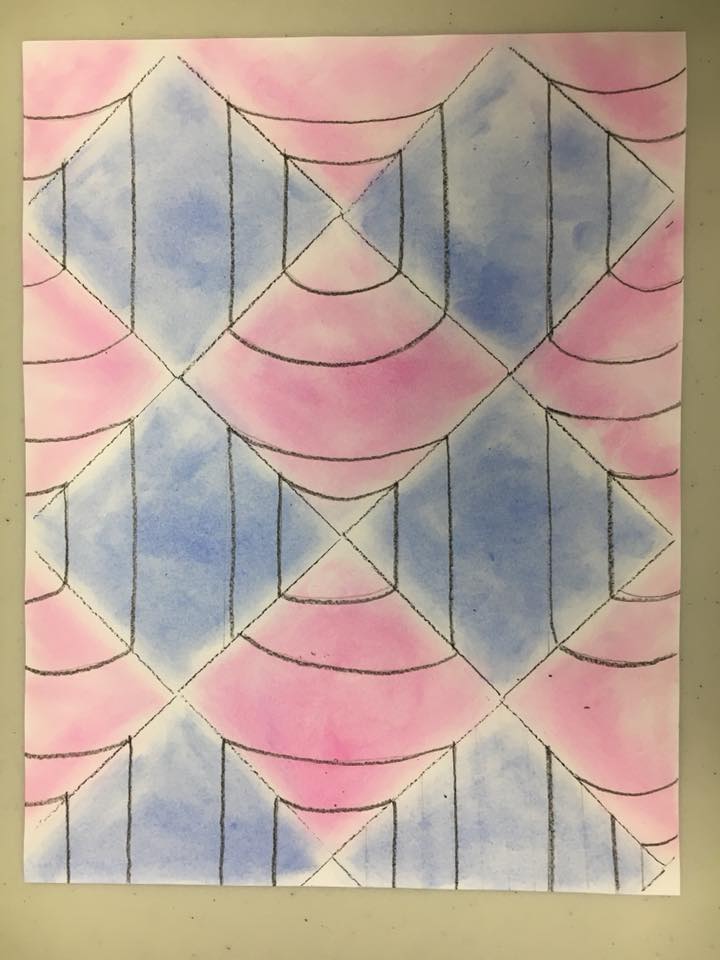
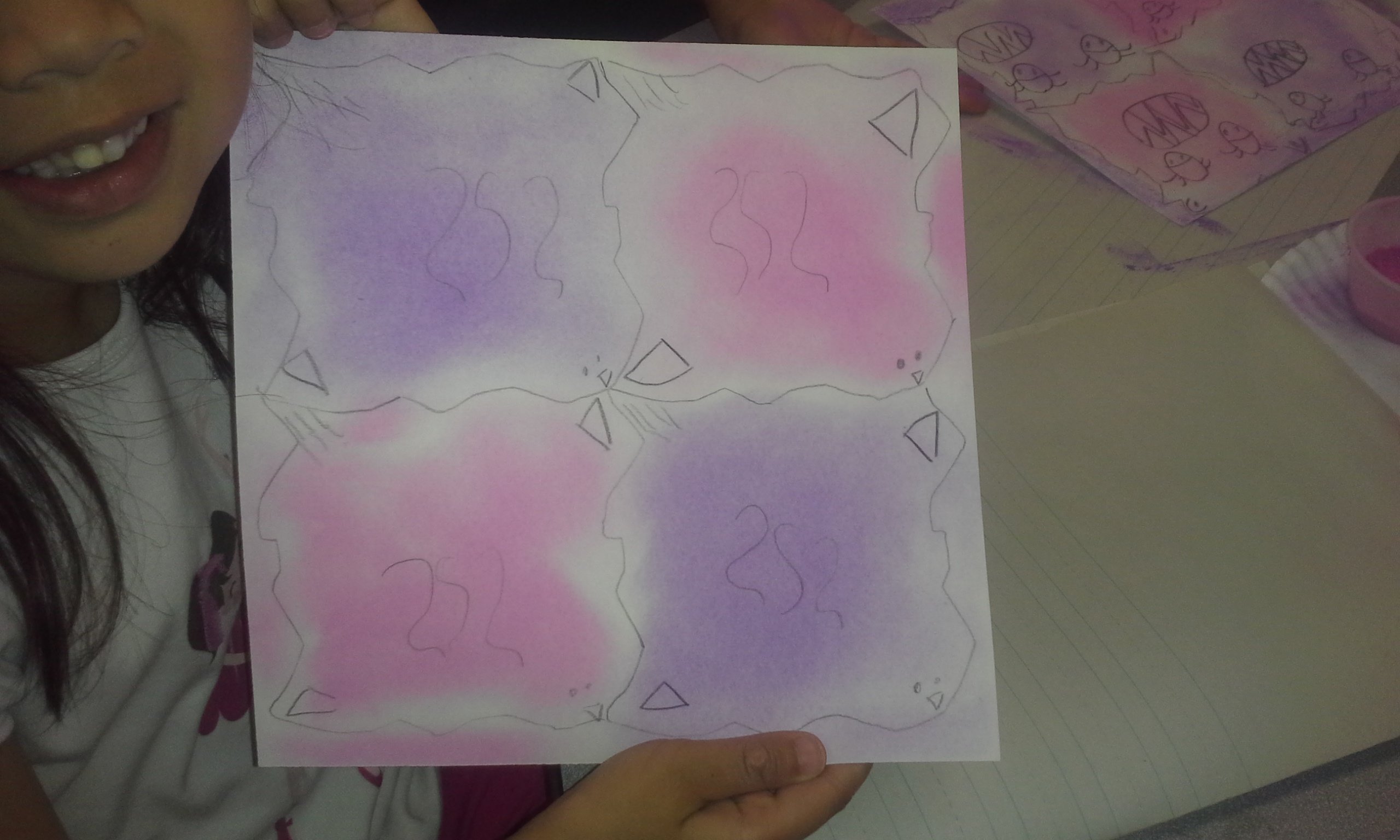
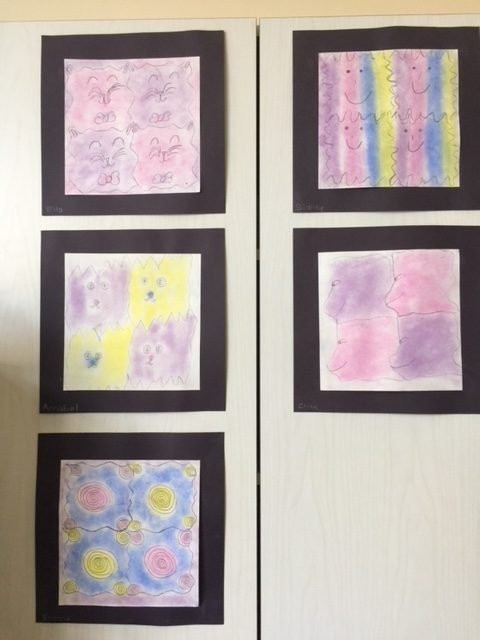
The students will create unique shapes and move them around the canvas to create their own tessellations which are stained with dry tempera.  Your students will discover an imaginary figure in their shapes and bring their compositions to life. Be sure to click through the student masterpieces at the top of this page.

Art Lessons for M.C. Escher

View the Artist Trailer

Art Elements Taught

Patterns and Tessellations

Art Activity Emphasis

Patterns and Tessellations

Vocabulary Learned

design, detail, overlapping, pattern, realism, tessellation

Student Art Supplies

Powdered paint, colored pencils, cotton

How the Art Program Works:

1. Assembly

Introducing the Masters—Multi-Purpose Room or Classroom (20-45 minutes)

2. Student Worksheets

Learning from the Masters—Classroom (15-30 minutes)

3. Student Art Projects

Working with the Masters—Classroom (50-60 minutes)

Real Reviews from Real Teachers & Parents

See Why Everyone Loves Meet The Masters

I had a parent stop me in the halls and express how much her children loved the curriculum. She was overjoyed that formal art education was included in our school day and that it was a curriculum that challenged the older elementary students, and was able to be done by the younger ones as well. She had a first and fourth grader at the time. I also had an aide who was in the classroom with me while I was teaching tell me how much she loved that art history portion of the curriculum. She said that she wasn’t much of an artist, and as a kid she dreaded craft time, but that the inclusion of the art history would have made all the difference to her as a child. I have students who have complained about going to a good behavior activity (which are always super fun!) because it meant she would have to miss art that week!

Read the case study for this school district.

Kristina Franklin
Art Teacher, Fruitvale School District, Bakersfield CA

More Artists on the Same Track

Buy a track of 7 artists and teach all year long.

All tracks include:

  • Implementation guide to manage scheduling, volunteers & communication
  • Multi-level, age-appropriate curriculum for all seven artists in this track
  • Engaging PowerPoint visuals that include vocabulary, art concepts & music
  • Timed, illustrated & scripted lessons perfect for teachers or volunteers
  • Hands-on technique worksheets, art project details, art prints, games & props

*Art supplies and teacher/volunteer training DVDs can be added to your order.