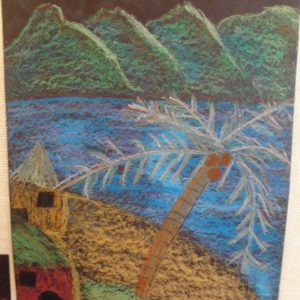
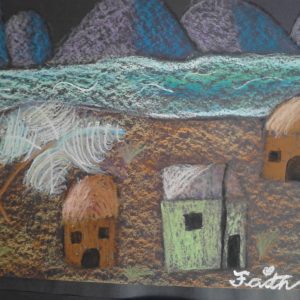
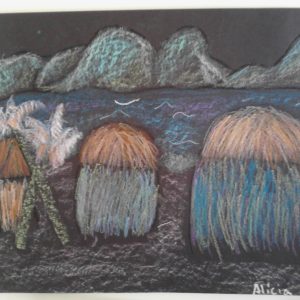
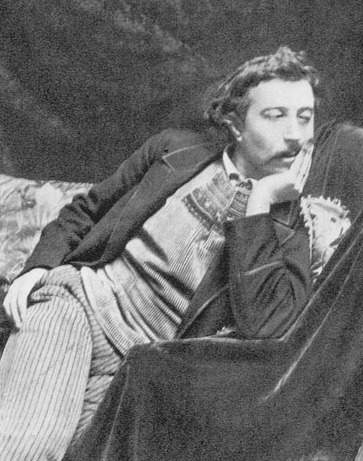
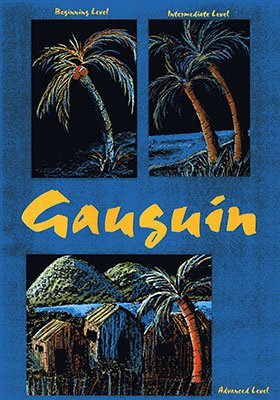
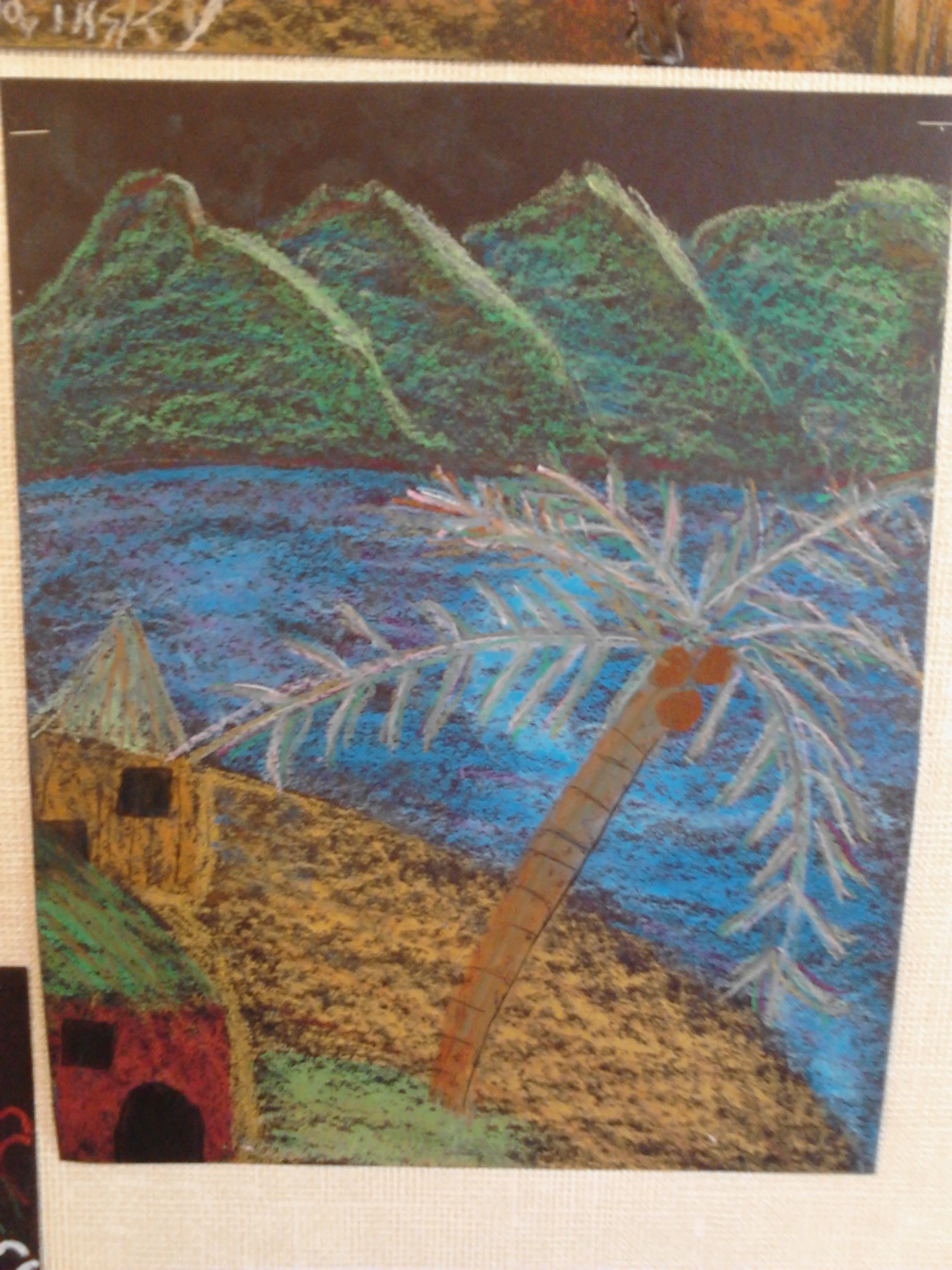
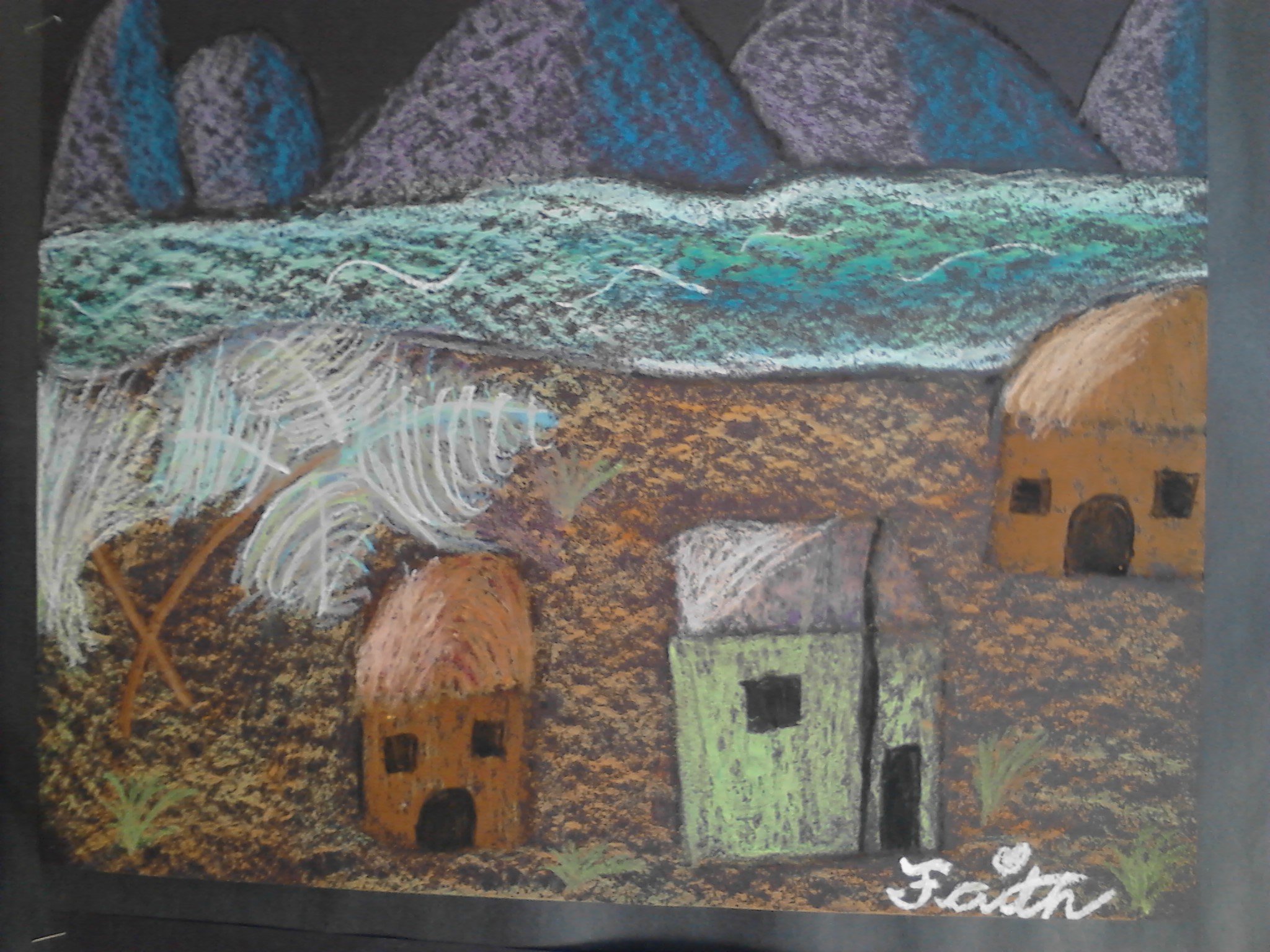
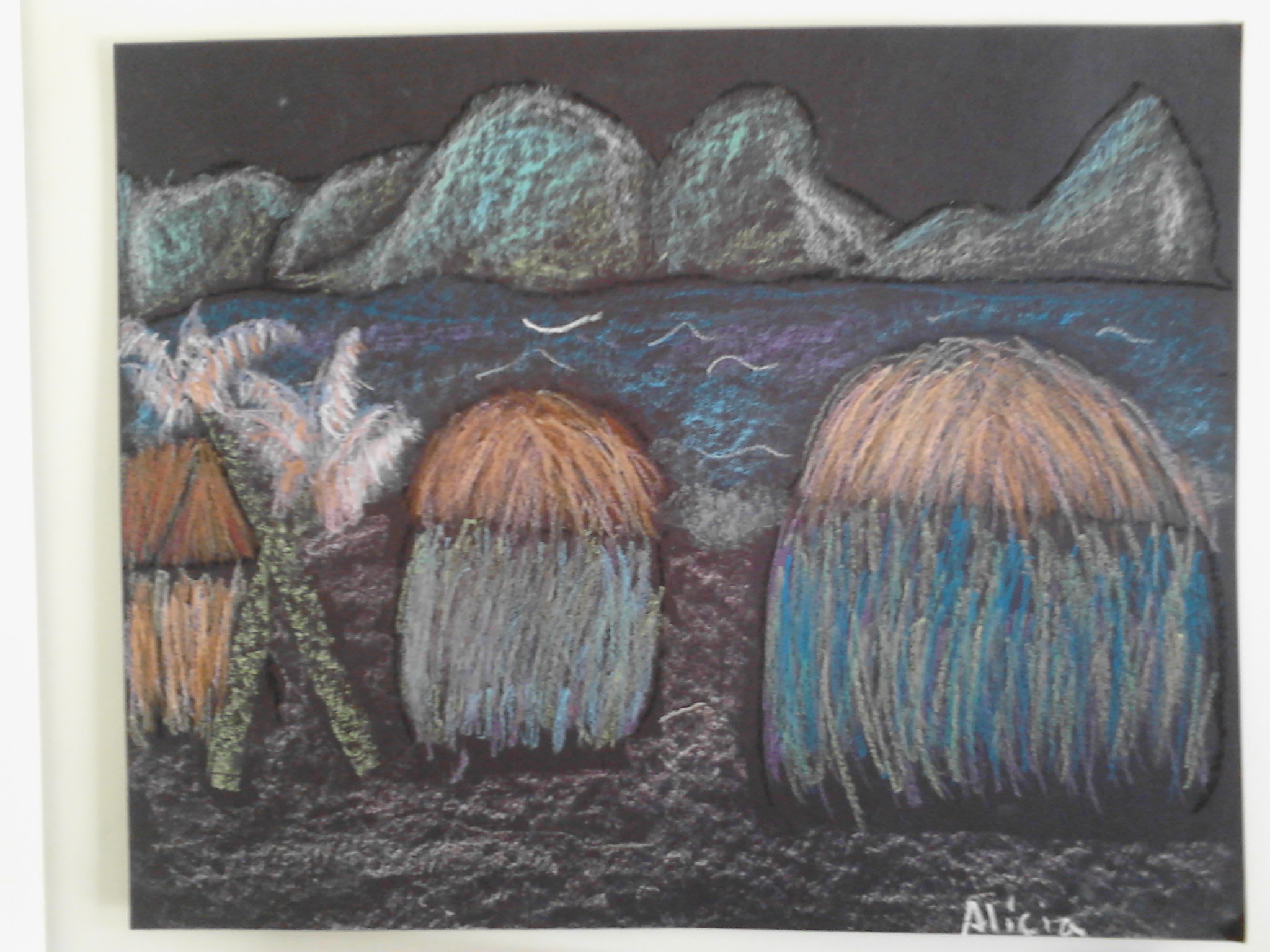
Bright, flat color. Simplified shapes. Island scenes that looked nothing like the muted palettes of his contemporaries. Paul Gauguin Art style took shape once he left France for Tahiti, trading realistic detail for bold, decorative color that captured mood as much as scenery — a striking departure that still stands out in art history classes today.
Paul Gauguin for Kids: A Taste of Tahiti in the Classroom
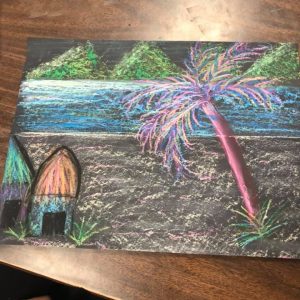
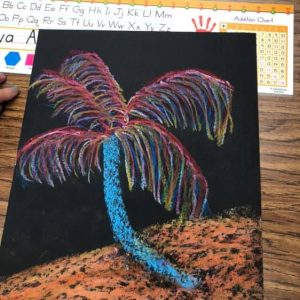
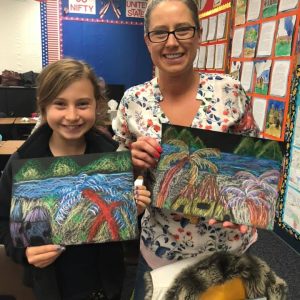
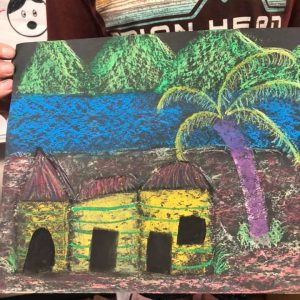
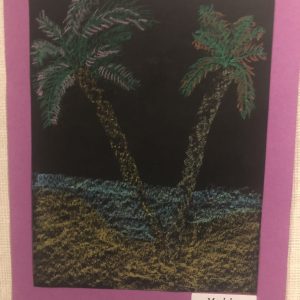
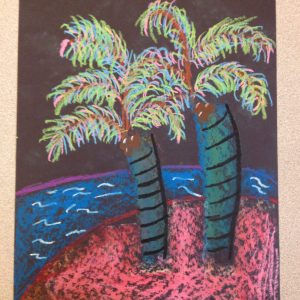
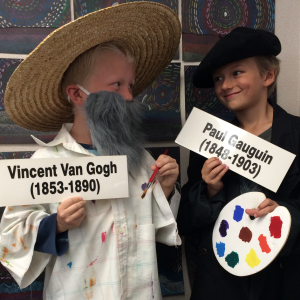
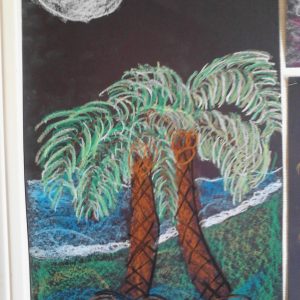
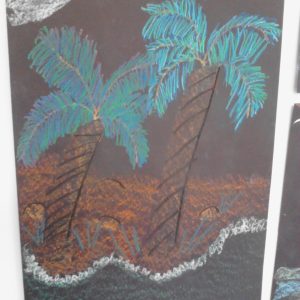
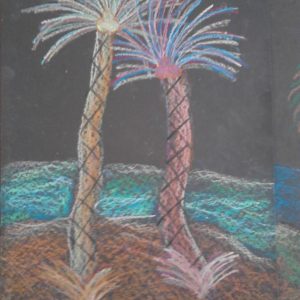
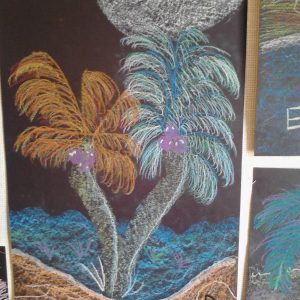
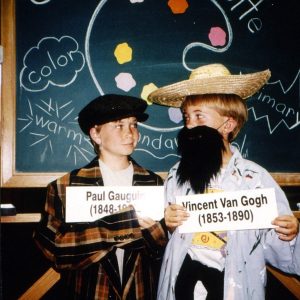
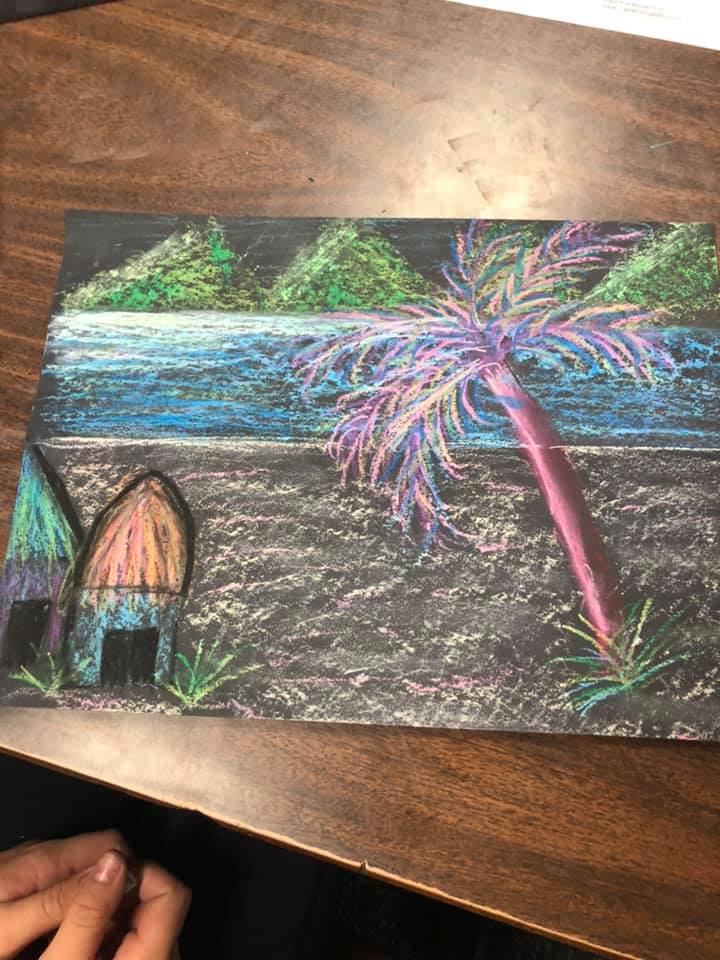
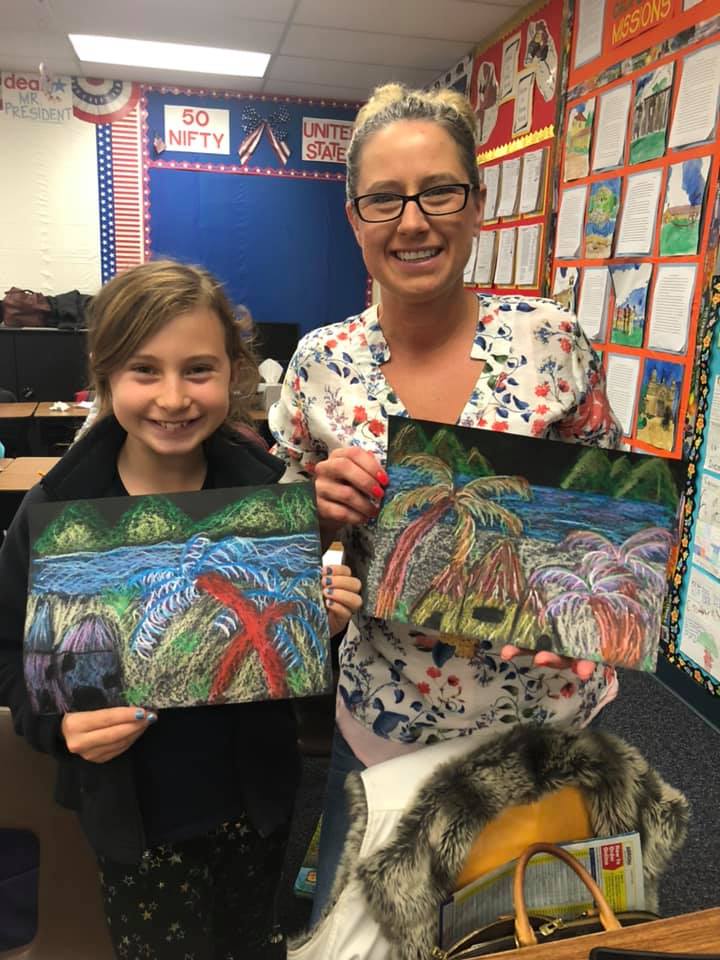
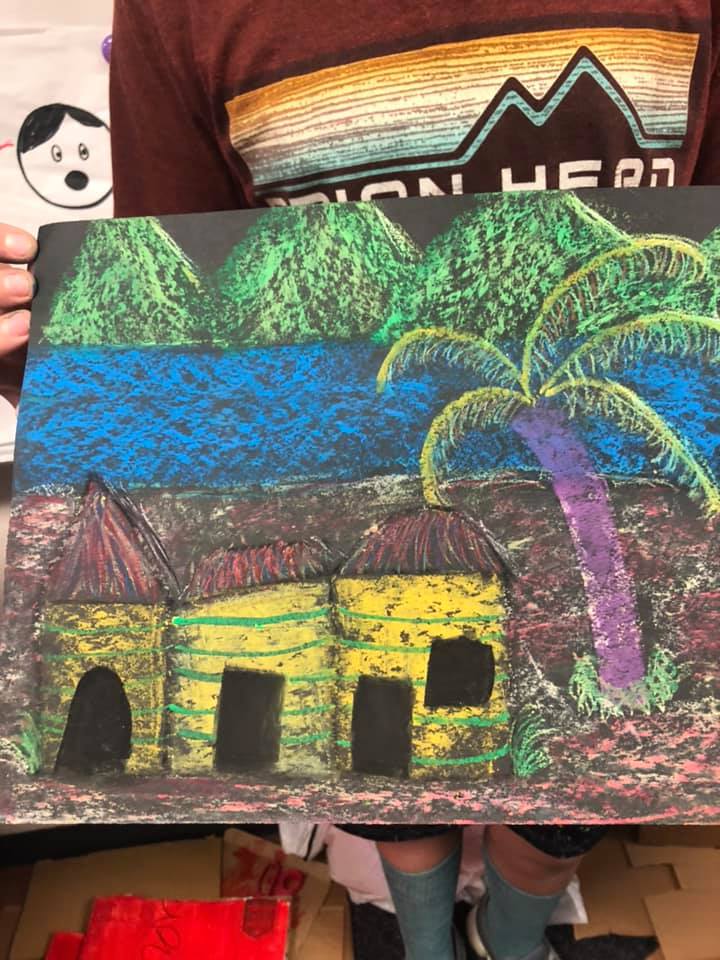
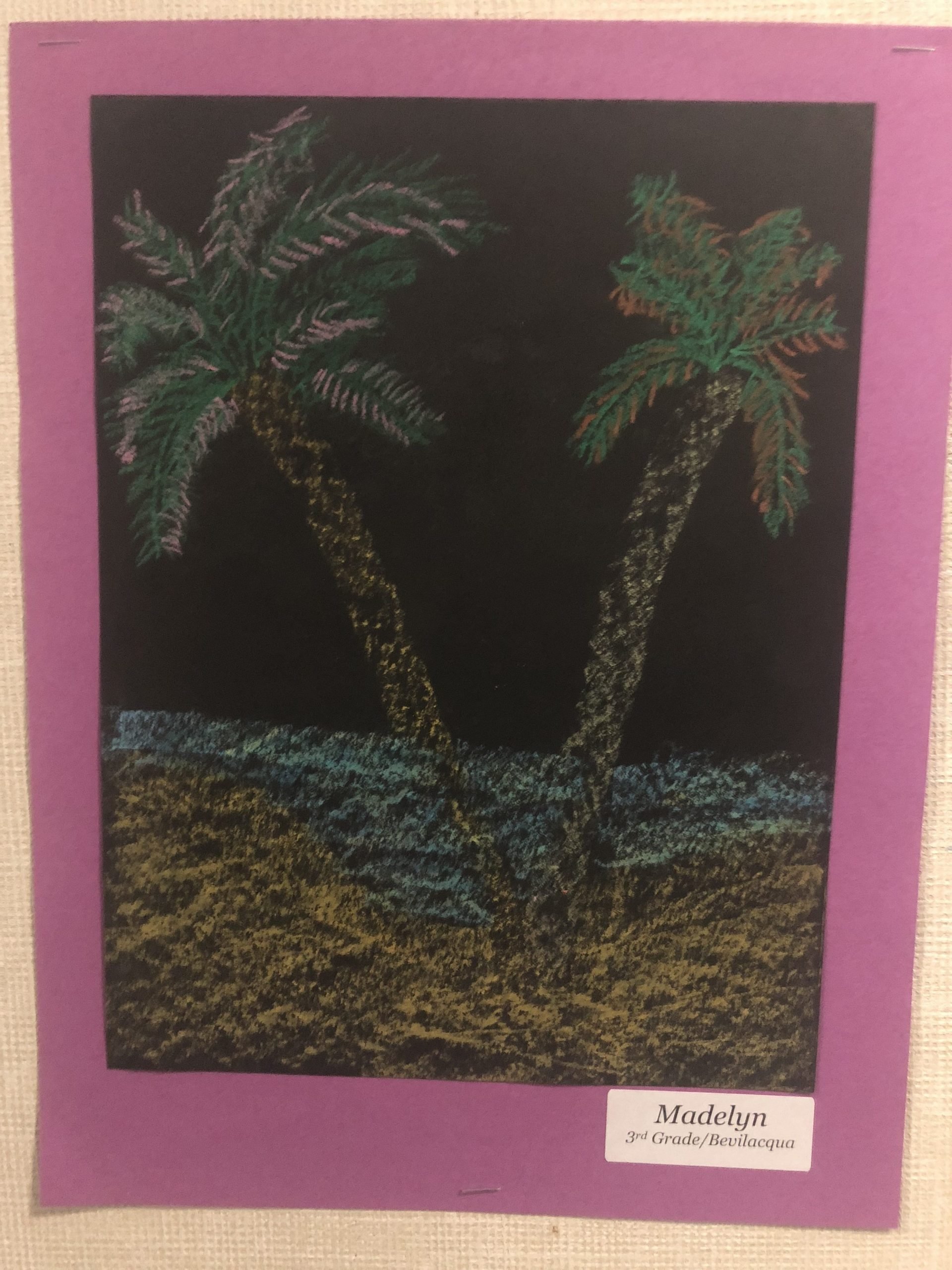
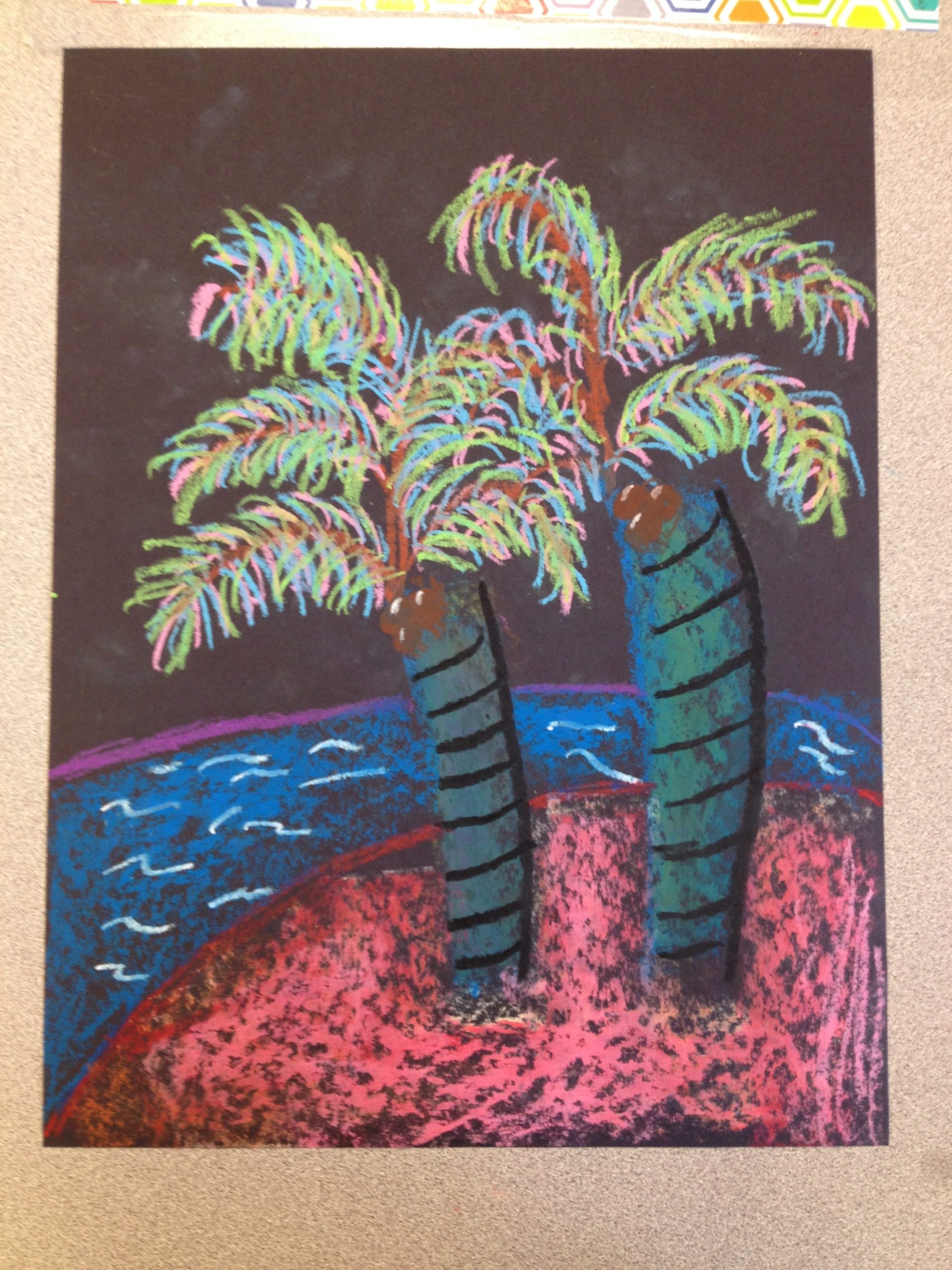
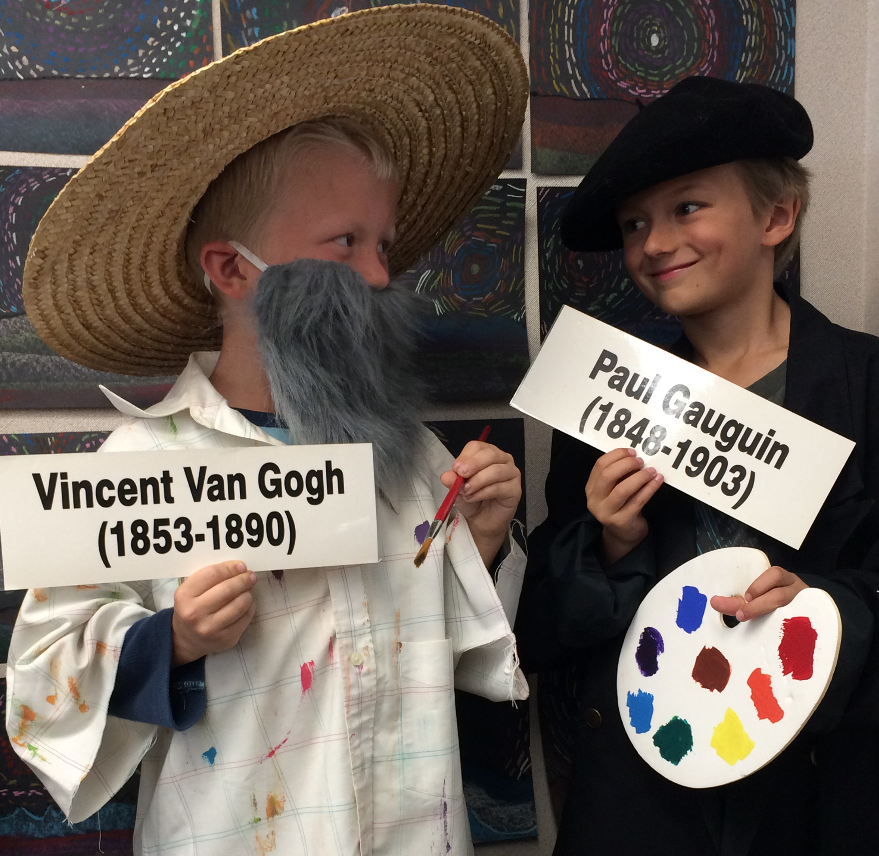
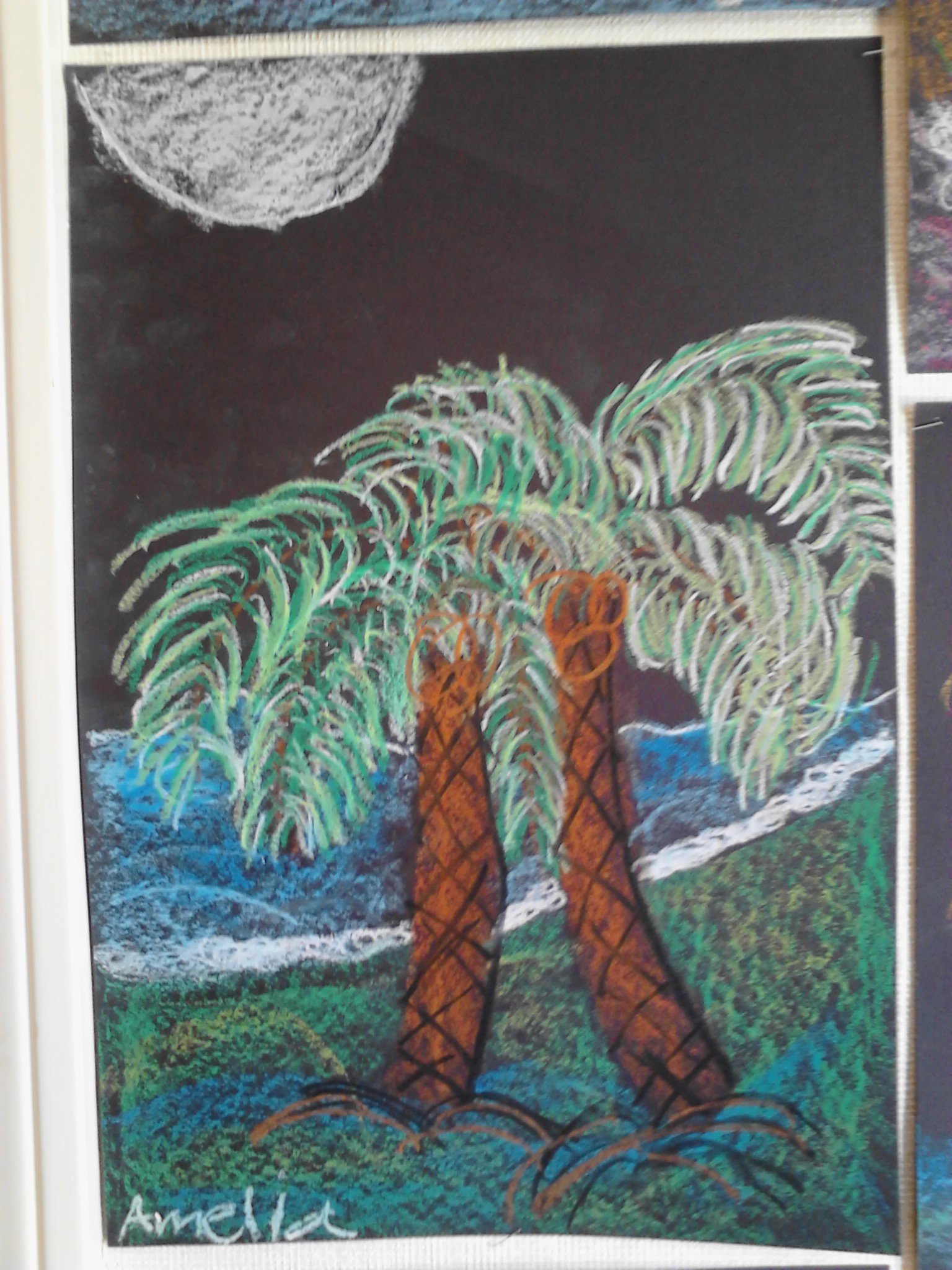
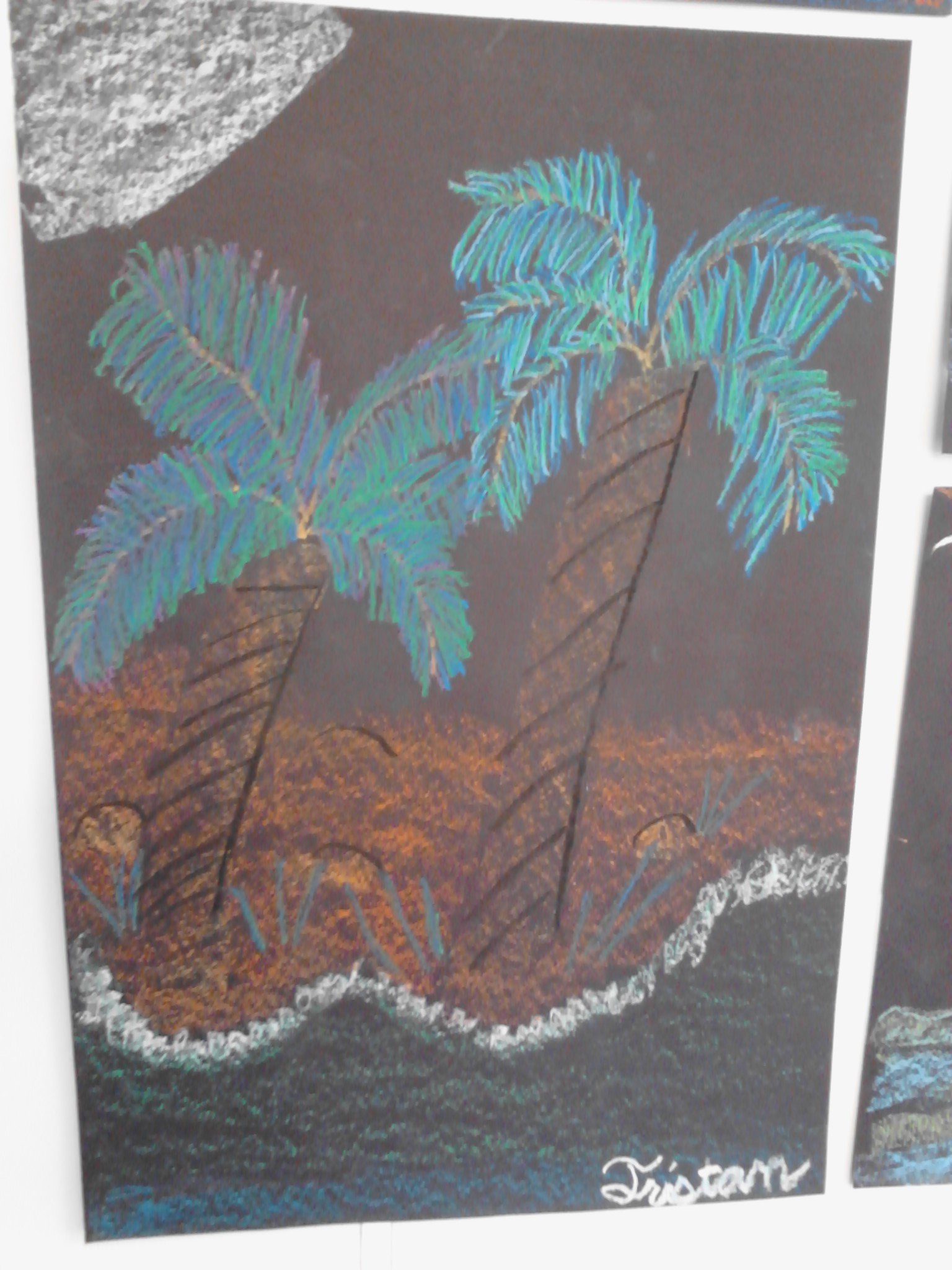
The lesson begins with getting dressed up and listening to audio tracks that create the atmosphere necessary for any drawings. The kids draw their own Tahitian landscape using black paper and oil pastel, where bold colors play a more important role than realistic details. It is one of those projects designed by Meet the Masters to teach children how to make color choices not because they are right, but because they are expressive.
FAQ
Why does Gauguin’s artwork seem so unusual compared to other artists of his time?
His use of bright colors and simple forms marked a departure from realism after he moved to Tahiti.
How do students get into the mood for the lesson before drawing?
Through costume accessories and audio recordings that create an atmosphere before the art activity.
What is the final project all about?
The creation of a landscape inspired by Tahiti using oil pastels on black paper.