

I’ve never seen a program that provides this integration, and goes beyond the silly, little holiday crafts.
More results...
Learning vocabulary through Meet the Masters lessons offers a powerful advantage because students encounter words in meaningful, real-world contexts rather than in isolation. Instead of memorizing definitions, they see vocabulary like composition, texture, and perspective applied directly to famous artworks and artists. This contextual learning helps students understand not just what the words mean, but how they function in practice. As a result, vocabulary becomes more memorable and meaningful, supporting deeper comprehension and long-term retention.
Another key benefit is the hands-on, experiential nature of the lessons. After being introduced to new terms, students immediately apply them while creating their own artwork. This “learn and do” approach reinforces understanding and makes abstract concepts tangible. Meet the Masters also supports multiple learning styles by combining visual observation, auditory instruction, and kinesthetic activity. This layered experience ensures that more students can connect with and retain the vocabulary in a way that works best for them.
In addition to strengthening art knowledge, learning vocabulary through Meet the Masters builds broader academic and communication skills. Students gain confidence in expressing their ideas, analyzing artwork, and participating in discussions. These benefits extend beyond art into other subject areas:
Overall, this engaging and integrated approach makes vocabulary learning both effective and enjoyable, leading to higher student engagement and lasting understanding.
Example of vocabulary learned by artist lesson:
balance, composition, contrast
detail, realistic, studio
symmetry, texture, value
abstract, balance, mobile
sculpture, stabile, three-dimensional
composition, contrast, impressionist
overlapping, pastel, portrait
contrast, critique, depth
horizontal, landscape, overlapping
palette, pattern, portrait
shape, still life, vertical
balance, composition, contrast
movement, pattern, shape
contrast, detail, line
portrait, realism, Renaissance
asymmetrical, critique, cropped
depth, impressionist, movement
negative, overlapping, pastel
perspective, sculpture, symmetrical
design, detail, overlapping
pattern, realism, tessellation
background, contrast, decorate
foreground, impressionist, landscape
palette, portrait, value
calligraphy, contrast, detail
landscape, negative, stamp
contrast, horizon, illustrator
realistic, value, watercolor
composition, contrast, detail
horizontal, line, mood
realistic, shadow, vertical
color, contrast, overlapping
realistic, still life, texture
abstract, medium, movement
texture, value, watercolor
decorate, landscape, pattern
portrait, shape, texture
abstract, depth, flat
geometric, mood, overlapping
pattern, shape, theme
adobe, coiling, decorate
design, matte, pattern
polychrome, pottery, shape
abstract, composition, contrast
design, medium, motif
negative, positive, shape
architect, detail, highlight
mosaic, realistic, Renaissance
sculptor, sculpture, shadows
abstract, contours, line
mood, overlap, shape
space, still life, surrealism
abstract, balance, composition
horizontal, rhythm, vertical
analogous, canvas, color
complementary, critique, impressionist
palette, primary, reflection
abstract, contrast, scale
shade, tint, value
abstract, composition, cubism
pattern, portrait, profile
composition, etching, highlight
portrait, profile, shadow
background, bronze, detail
foreground, illustrator, landscape
realistic, sculptor, sculpture
color wheel, complementary, composition
contrast, impressionist, palette
portrait, reflection, shadow
abstract, color, designer
frame, horizontal, pattern
shape, story quilt, vertical
detail, illustrator, landscape
layout, mood, silhouette
background, detail, foreground
realistic, shape, value
color, complementary, impressionist
pointillism, reflection, shadow
calligraphic, horizontal, line
outline, poster, vertical
background, brush strokes, foreground
self-portrait, spiral, texture
advertising, illustrator, pop art
portfolio, repetition, shape
landscape, parallel, pattern
perspective, portrait, texture
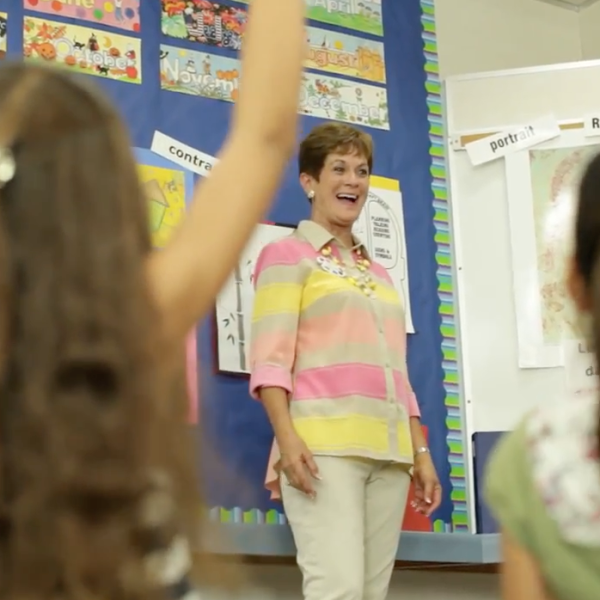
Students experience art history like never before. Through multimedia presentations featuring the history of iconic artists, period music, and engaging visuals, they discover the fascinating lives behind masterpieces they’ve seen everywhere but never really understood.
Picture Van Gogh explaining his swirling night skies. Frida Kahlo discussing her bold self-portraits. Leonardo da Vinci revealing his genius inventions.
The assembly transforms a plain multipurpose room (or classroom) into an interactive museum where students ask questions, play games, learn vocabulary, and connect emotionally with artists from different eras and cultures. They’re not just learning facts. They’re experiencing what made these artists revolutionary.
And here’s the game-changer: teachers simply follow the scripted presentation. Every word, every transition, every activity is mapped out. You could hand this to a parent volunteer tomorrow and watch them shine.
Students are already hooked on the artist’s story. Now they learn the revolutionary techniques that made the work famous.
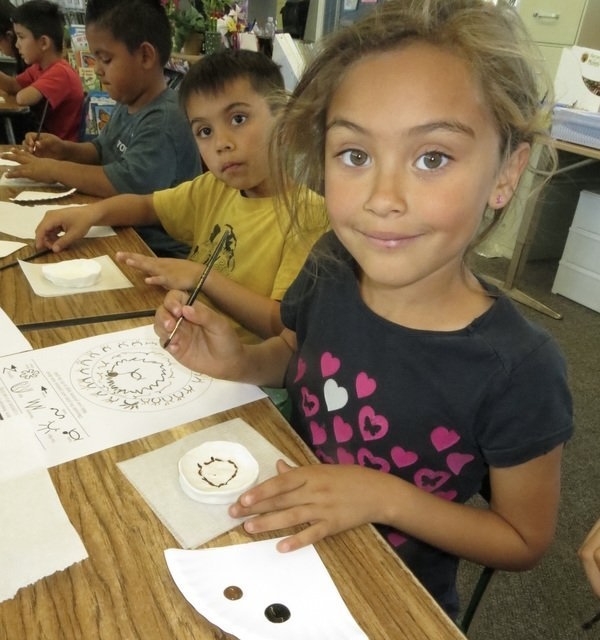
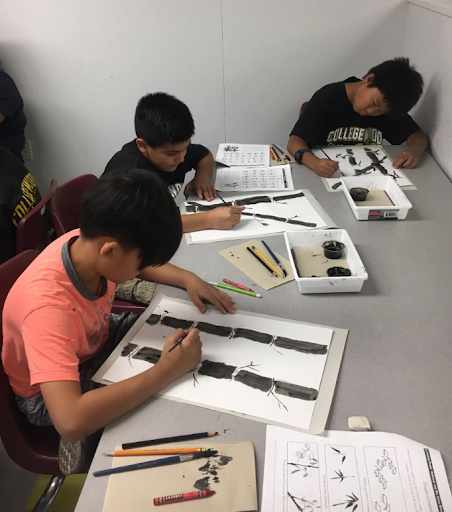
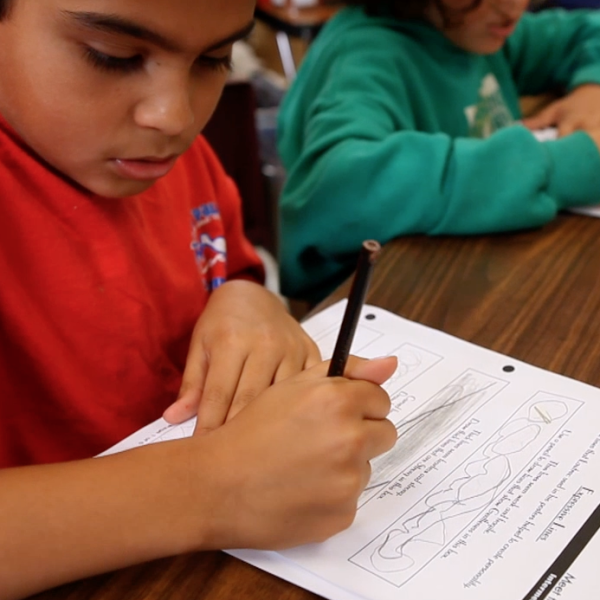
Back in the classroom, students complete self-guided practice worksheets that break down complex artistic methods into simple, achievable steps. They’re learning pointillism, cubism, impressionism, tessellations, not through lectures but through doing.
These worksheets build confidence before the final project. Students practice the techniques on paper first, so when they pick up oil pastels or clay, they already feel like artists.
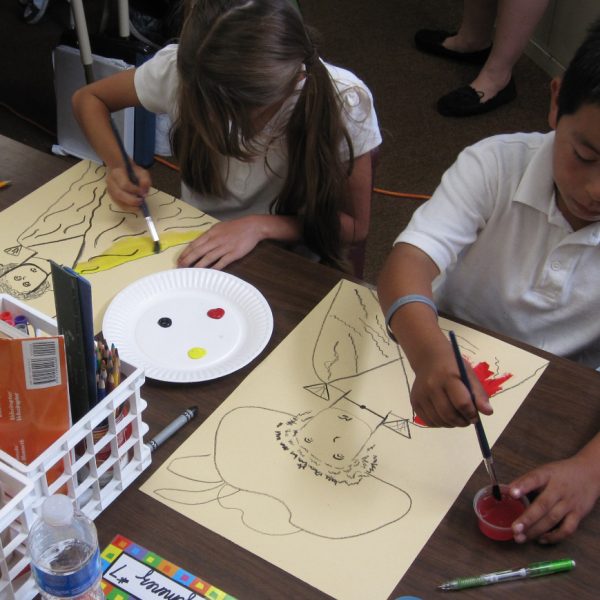
Students already know the artist’s story and have practiced their techniques. Now comes the magic.
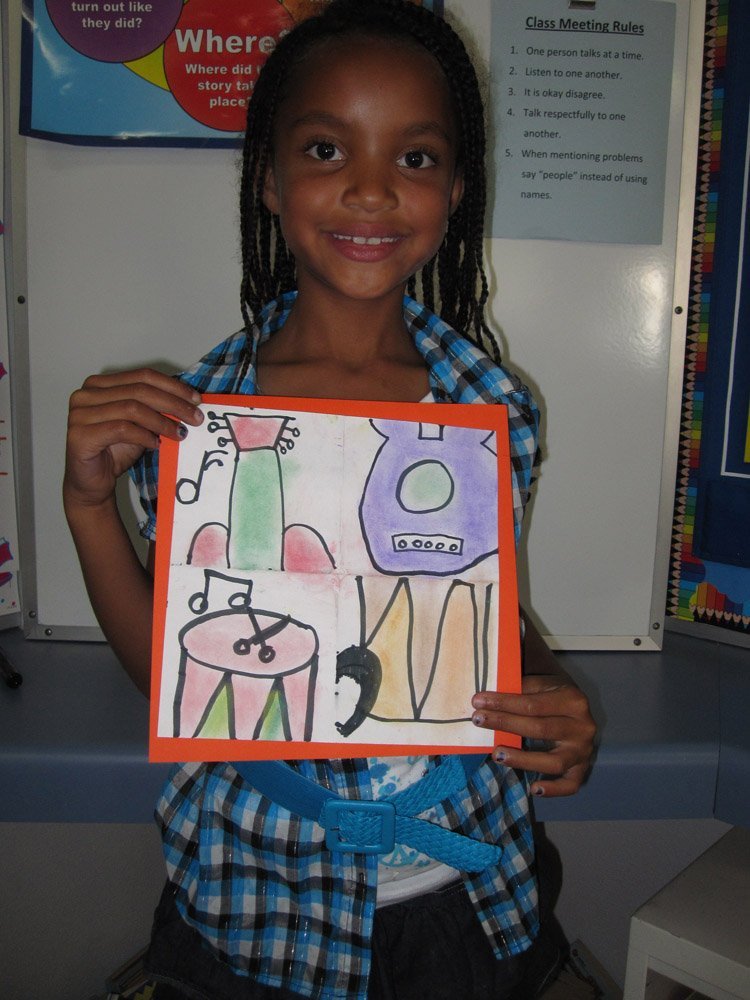
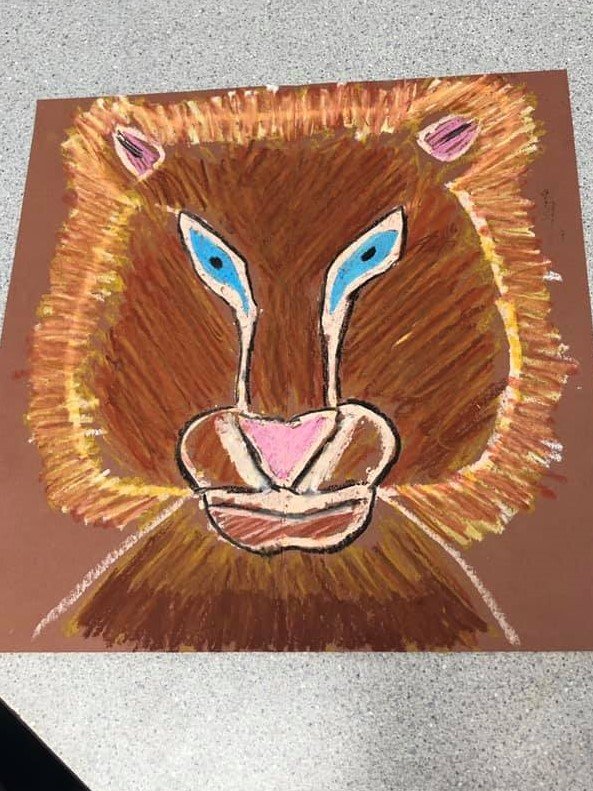
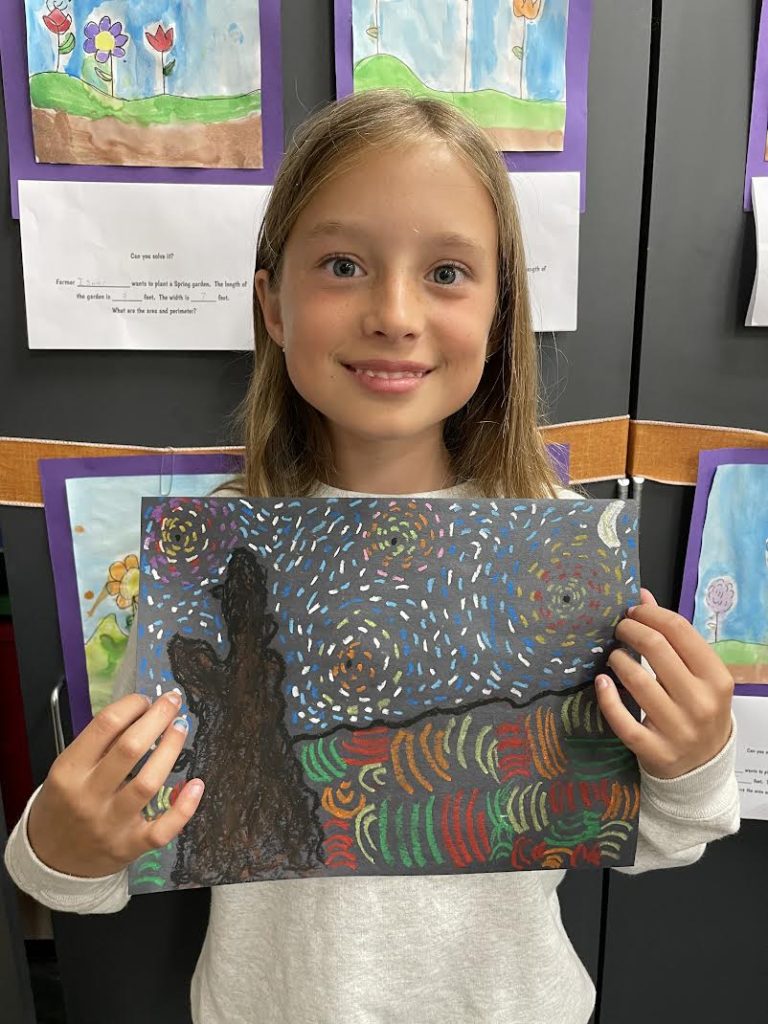
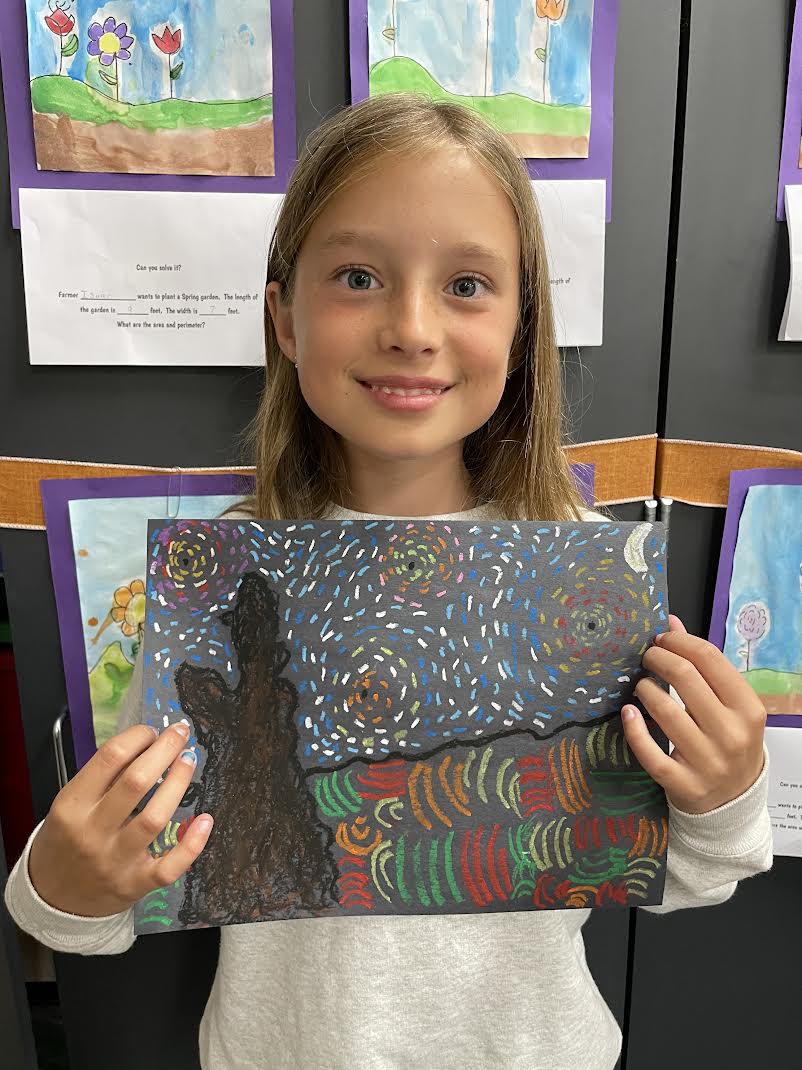
Your classroom becomes an art studio. Students work with the same materials master artists used (oil pastels, metallic foil, sculpting clay, not cheap crayons) to create their own masterpieces in the artist’s style.
Teachers lead step-by-step using our detailed guides. Students follow along, adding their own creative touches. Even kids who usually say “I’m terrible at art” end up creating work that makes their parents cry at open house.
Every artist unit includes four different grade levels: Kindergarten, Beginner (grades 1-2), Intermediate (grades 3-4), and Advanced (grades 5-8). Same artist, same core lesson, but age-appropriate projects that challenge without overwhelming. Your 1st graders and 7th graders both succeed, just at different skill levels.
I’ve never seen a program that provides this integration, and goes beyond the silly, little holiday crafts.